The Anhinga Trail is one of the best places to experience the wetlands of Everglades National Park without committing to a long hike. This short route takes you through sawgrass marsh and freshwater slough, where alligators, turtles, and remarkable wetland birds may appear just a few feet away.
Located in the Royal Palm area near Homestead, Florida, the trail combines a paved walkway with an elevated wooden boardwalk. It’s a particularly good choice for first-time visitors, families, birdwatchers, and anyone interested in seeing the Everglades up close.
Anhinga Trail: Quick Overview
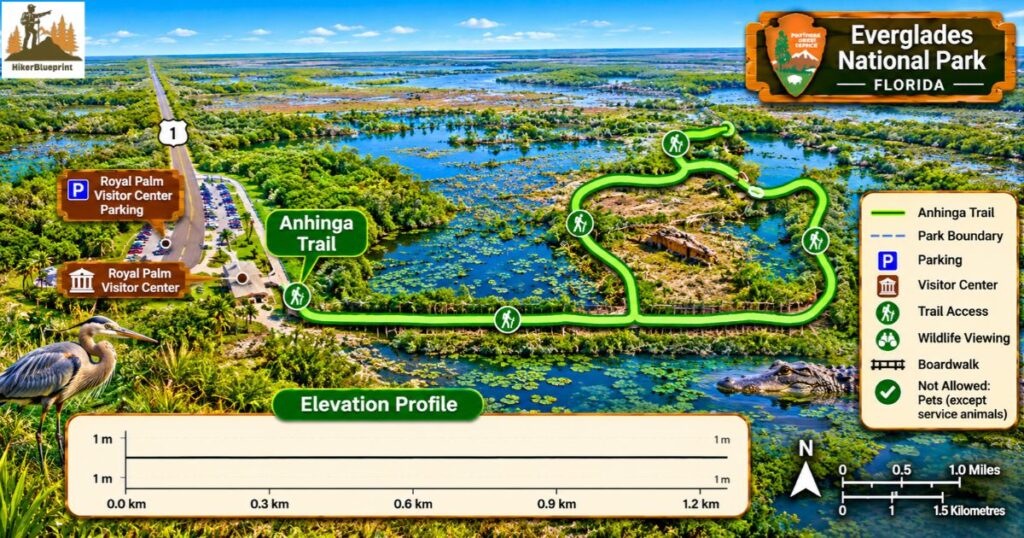
| Trail information | Details |
|---|---|
| Location | Royal Palm, Everglades National Park, Florida |
| Distance | 0.8 miles round trip |
| Trail type | Paved path and boardwalk |
| Difficulty | Easy |
| Elevation gain | Not published by NPS; route is flat |
| Estimated time | 45 minutes to 2 hours |
| Accessibility | Wheelchair and stroller accessible |
| Pets | Not allowed, except service animals |
| Reservations | Not required |
| Trail access | Year-round |
The National Park Service describes the route as flat, with no rough terrain. Your walking time depends on how often you stop to watch wildlife and take photographs.
Where Is the Anhinga Trail and How Do You Get There?
The trail begins at Royal Palm, approximately four miles from the Ernest F. Coe Visitor Center near the Homestead entrance. From Florida City, follow State Road 9336 into the park and continue toward Royal Palm.
Look for the Royal Palm parking area and visitor facilities. Restrooms, drinking water, accessible parking, and trail information are available in this area. The parking lot can become busy during popular visiting hours, particularly in the winter season.
If you’re planning a wider visit, our Everglades National Park map guide can help you understand the park’s separate entrances and major visitor areas.
What Is the Trail Like?
This short walk offers a close look at two important Everglades habitats: sawgrass marsh and freshwater slough. You’ll begin on a paved path before reaching the elevated wooden boardwalk, which loops over the water and brings you closer to the surrounding vegetation.
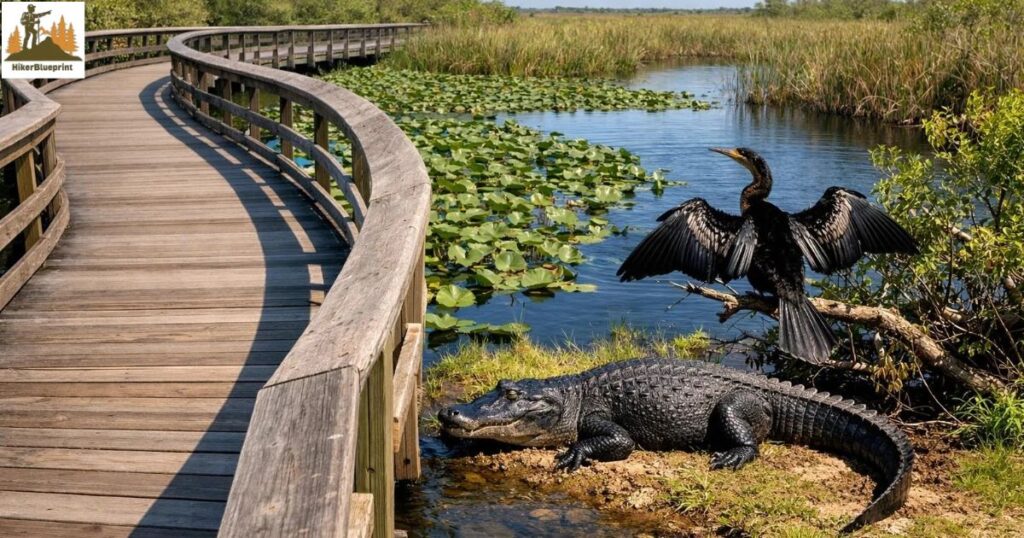
The boardwalk provides open views across the marsh, while the water below often attracts fish, turtles, and wading birds. Take your time. Wildlife watching is the main attraction, and rushing through can mean missing activity along the water’s edge.
Wildlife You May See
The trail is named after the anhinga, a waterbird often seen swimming or perched with its wings spread to dry. Its long neck and pointed bill make it distinctive.
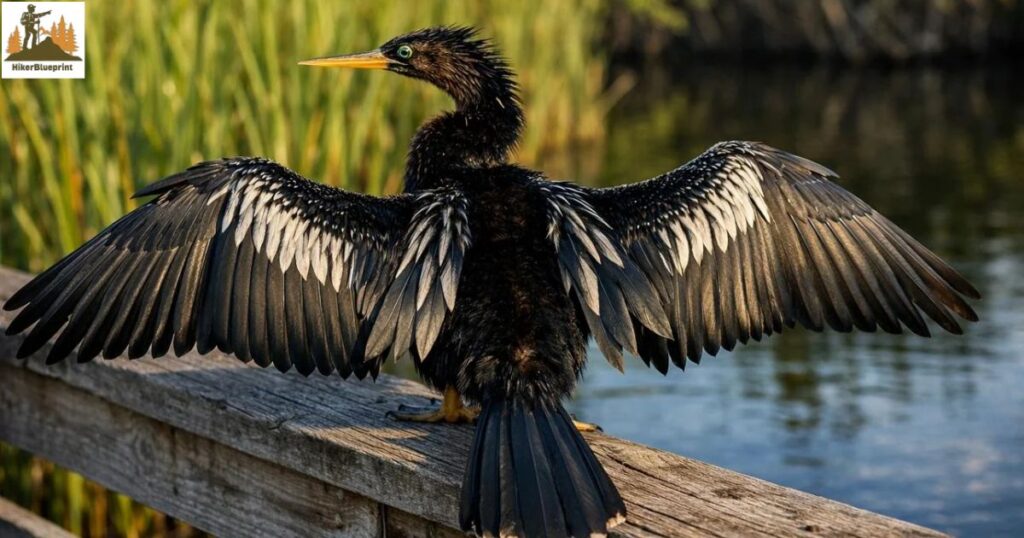
Other possible sightings include:
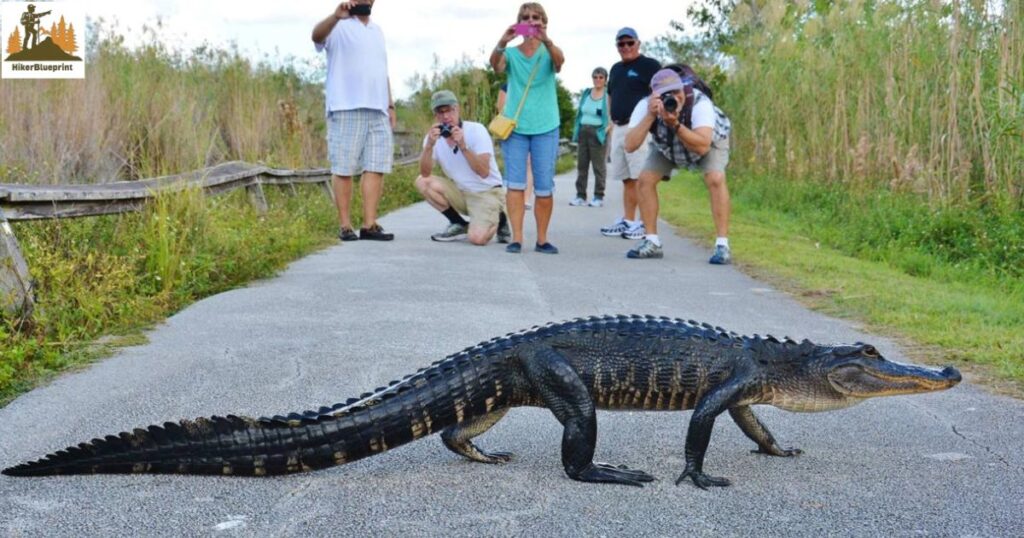
- American alligators: Often visible resting near the water or moving through the slough.
- Turtles: Look for them near vegetation and along the water’s edge.
- Great blue herons and egrets: These wading birds search shallow water for fish.
- Double-crested cormorants: Frequently seen swimming or perched near the water.
- Purple gallinules: Colorful marsh birds that move among floating vegetation.
Wildlife sightings are never guaranteed. Keep a respectful distance, never feed animals, and stay on the designated path.
Best Time to Visit
The cooler, drier months from December through March generally offer some of the best wildlife-viewing opportunities. As water levels fall, fish and other aquatic animals become concentrated in remaining pools, attracting birds and alligators.
Early morning is a good time for songbirds and quieter conditions. During summer, temperatures, humidity, and mosquitoes increase. If visiting then, consider an early walk and bring insect repellent.
The trail is open year-round, but wildlife activity changes with the seasons. Check the park’s current alerts before setting out.
Accessibility, Fees, and Safety
The paved path and boardwalk are wheelchair and stroller accessible. The National Park Service describes the route as flat and generally 4 to 8 feet wide. Bicycles are not permitted on the trail, and pets are prohibited except for service animals.
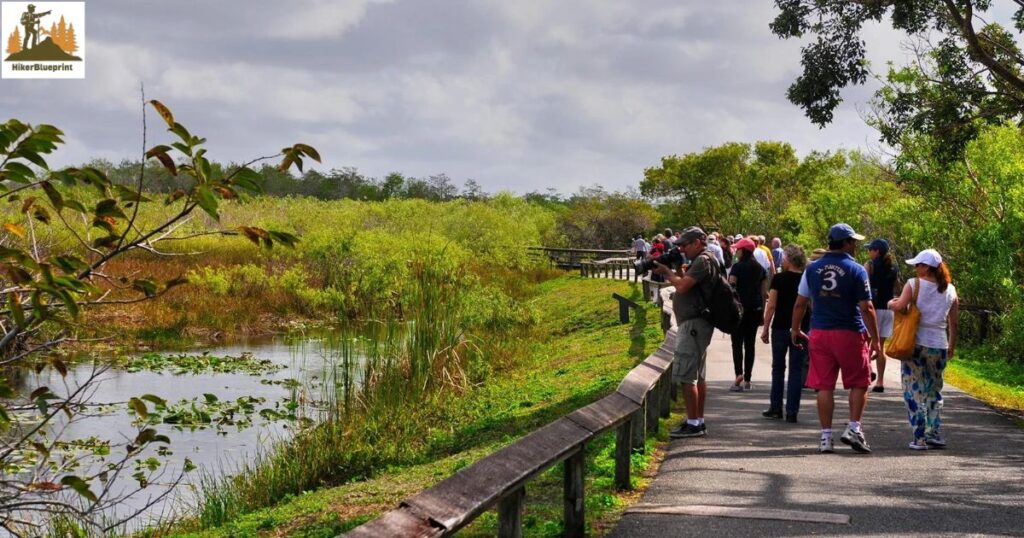
There is no separate hiking fee or reservation requirement. However, visitors must pay the park entrance fee unless covered by a valid pass. Check current rates before traveling.
One unusual precaution applies to the Royal Palm parking area: black vultures sometimes damage vehicle weather stripping and windshield wipers. The park may provide protective tarps, but availability is limited. Ask a ranger about precautions when you arrive.
For more accessible walks nearby, consider the Gumbo Limbo Trail. You can also explore the Pa-hay-okee Overlook Trail elsewhere along the Main Park Road.
What to Bring
You don’t need extensive hiking equipment for this short walk, but a few items make the visit more comfortable:
- Drinking water, especially during warm weather.
- Sunscreen, sunglasses, and a hat.
- Insect repellent.
- Comfortable walking shoes.
- Binoculars for watching birds.
- A camera or phone for wildlife photography.
Never approach or feed alligators. Keep children close, remain on the boardwalk, and avoid reaching toward wildlife.
Can You Combine It With Other Everglades Trails?
Yes. Royal Palm is a convenient starting point for exploring more than one short trail. The nearby Gumbo Limbo Trail offers a different experience through tropical hardwood hammock vegetation.
If you have additional time, consider visiting other parts of the park. The Shark Valley Trail offers a much longer paved route through open marsh, while the Best Hikes in Florida guide can help you find more walking destinations across the state.
For a complete day of sightseeing, use our Everglades National Park Itinerary to organize your stops.
Frequently Asked Questions
How long does the walk take?
Most visitors should allow 45 minutes to two hours, depending on wildlife activity and how often they stop.
Is the trail suitable for beginners?
Yes. It’s flat, short, and paved or boardwalk-covered, making it suitable for most beginners.
Can you see alligators?
Alligators are frequently seen in the surrounding water, but sightings are never guaranteed.
Is it wheelchair accessible?
Yes. The National Park Service identifies the paved path and boardwalk as wheelchair accessible.
Are dogs allowed?
No. Pets aren’t permitted on the trail, with the exception of service animals.
Final Thoughts
The Anhinga Trail is a rewarding introduction to the Everglades, especially if you want wildlife viewing without a demanding hike. Its short distance, accessible surface, and wetland scenery make it an easy addition to a visit near Homestead.
Allow enough time to observe the wildlife, check current park conditions, and enjoy the landscape at a comfortable pace.

Ahmed Khubaib is a passionate hiker with over 10 years of experience in hiking, camping, and exploring trails solo and with kids.
He shares firsthand experiences, practical hiking tips, and trail guides to help adventurers explore the outdoors safely.