Colorado is home to some of America’s most varied hiking landscapes. You can walk beneath towering red-rock formations, follow forest paths to alpine lakes, or spend several days crossing rugged mountain passes.
The challenge isn’t finding a beautiful trail. It’s choosing one that matches your fitness, experience, available time, and the season. This guide to the Best Hikes Colorado offers includes beginner-friendly walks, rewarding day hikes, and demanding backcountry adventures.
Key Takeaways
- Bear Lake, Fountain Valley, and Garden of the Gods are excellent starting points for beginners.
- Sky Pond and Blue Lakes offer spectacular alpine scenery but require good fitness and preparation.
- Hanging Lake requires an advance reservation and a paid hiking permit.
- Four Pass Loop is a demanding backpacking trip, not a casual day hike.
- July through September is generally the most reliable period for many high-elevation hikes.
- Start early, allow time to acclimatize, and check current trail conditions before leaving.
- Choose trails based on elevation gain and terrain, not mileage alone.
Best Hikes in Colorado at a Glance
The following comparison makes it easier to find a route that fits your plans. Distances and elevation figures are approximate and can vary by trailhead or route.
| Hike | Location | Approx. Distance | Elevation Gain | Difficulty |
|---|---|---|---|---|
| Bear Lake & Emerald Lake | Rocky Mountain National Park | 3.6 miles round trip | 605 ft | Moderate |
| Fountain Valley Loop | Roxborough State Park | 2.5 miles | Minimal to moderate | Easy to moderate |
| Central Garden Trail | Garden of the Gods | 1.5 miles round trip | Less than 30 ft | Easy |
| Mount Falcon Castle Trail | Morrison | Varies by route | Varies by route | Moderate to strenuous |
| Chautauqua Trail | Boulder | Varies by route | Varies by route | Easy to strenuous |
| Sky Pond | Rocky Mountain National Park | About 9.8 miles round trip | About 1,710 ft | Strenuous |
| Blue Lakes | Mount Sneffels Wilderness | About 6 miles round trip to Lower Blue Lake | Varies by destination | Moderate to strenuous |
| Hanging Lake | Glenwood Canyon | About 2.4 miles round trip | About 1,200 ft | Strenuous |
| Four Pass Loop | Maroon Bells-Snowmass Wilderness | About 26–28 miles | About 8,000 ft | Very strenuous |
Trail statistics are planning estimates, not guarantees. Check the managing agency’s current trail information before your visit.
1. Bear Lake and Emerald Lake, Rocky Mountain National Park
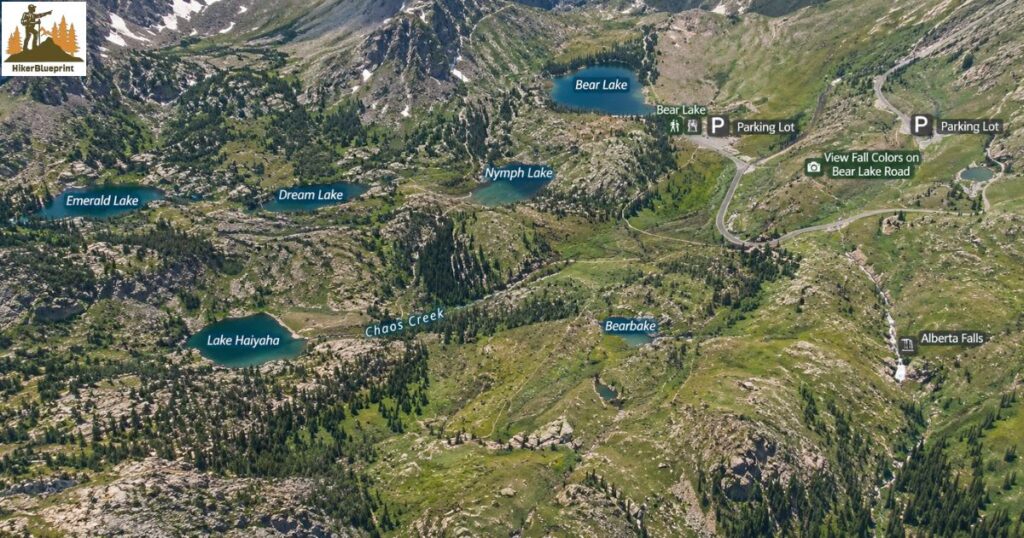
Best for: Beginners, families, and first-time visitors to the Colorado Rockies.
The Bear Lake area is one of the easiest places to experience the mountain scenery that makes Rocky Mountain National Park famous. Trails lead past clear alpine lakes, evergreen forests, and impressive mountain views.
You can keep your walk short by exploring Bear Lake or continue to Nymph, Dream, and Emerald lakes. This flexibility makes it one of the most rewarding Best Hikes Colorado choices for visitors who aren’t ready for a full-day mountain adventure.
Trail Details
- Location: Rocky Mountain National Park, near Estes Park
- Distance: Approximately 3.6 miles round trip to Emerald Lake
- Elevation gain: About 605 feet
- Difficulty: Moderate
- Estimated time: 2–3 hours
- Trailhead elevation: Approximately 9,475 feet
The route begins at Bear Lake and climbs gradually toward Nymph Lake. It continues to Dream Lake before reaching Emerald Lake, where dramatic mountain scenery creates a memorable destination.
Although the mileage is manageable, the high starting elevation can make the walk harder than expected. Take your time, drink water, and give yourself time to adjust to the altitude. Check official trail information, distances, and elevation gains from NPS hiking trails.
Planning tip: Bear Lake Road is extremely popular during busy periods. Check current timed-entry requirements, parking arrangements, and shuttle information before visiting. The Rocky Mountain National Park Map and Rocky Mountain National Park Day Hikes guides can help you choose a suitable starting point and understand the park’s trail network.
2. Fountain Valley Loop, Roxborough State Park
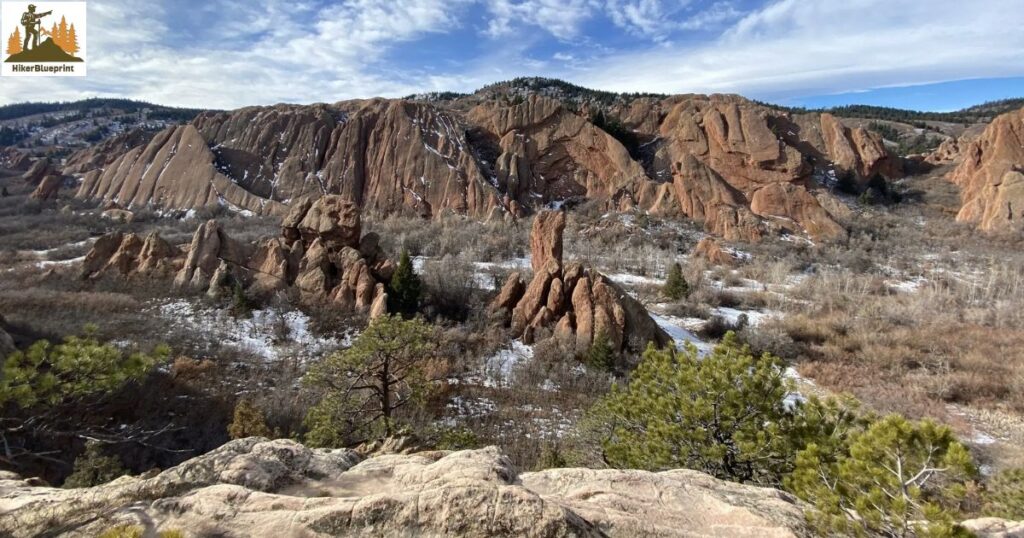
Best for: Beginners, families, and hikers who enjoy dramatic red-rock scenery.
Fountain Valley offers a very different experience from Colorado’s high alpine trails. Instead of snow-covered peaks and mountain lakes, you’ll walk among striking red sandstone formations, open grassland, and foothill scenery.
The loop is a practical choice for visitors near Denver. Its relatively short distance makes it manageable for many hikers, while the rock formations create an impressive setting.
Trail Details
- Location: Roxborough State Park, south of Denver
- Distance: 2.5-mile loop
- Elevation gain: Relatively modest
- Difficulty: Easy to moderate
- Estimated time: Around 1.5–2 hours
The trail begins near the visitor center and passes through a landscape shaped by dramatic tilted sandstone formations. Take time to appreciate the views and watch for wildlife along the route.
This isn’t a paved city path, so wear comfortable shoes with good traction. Colorado’s sun can also feel intense, even when temperatures are mild. Check Fountain Valley distance, trail access, and park conditions from Colorado Parks & Wildlife trail information.
Planning tip: Dogs aren’t allowed in Roxborough State Park. Check the official park information for current hours, entrance fees, and trail closures before setting out.
3. Garden of the Gods Central Garden Trail
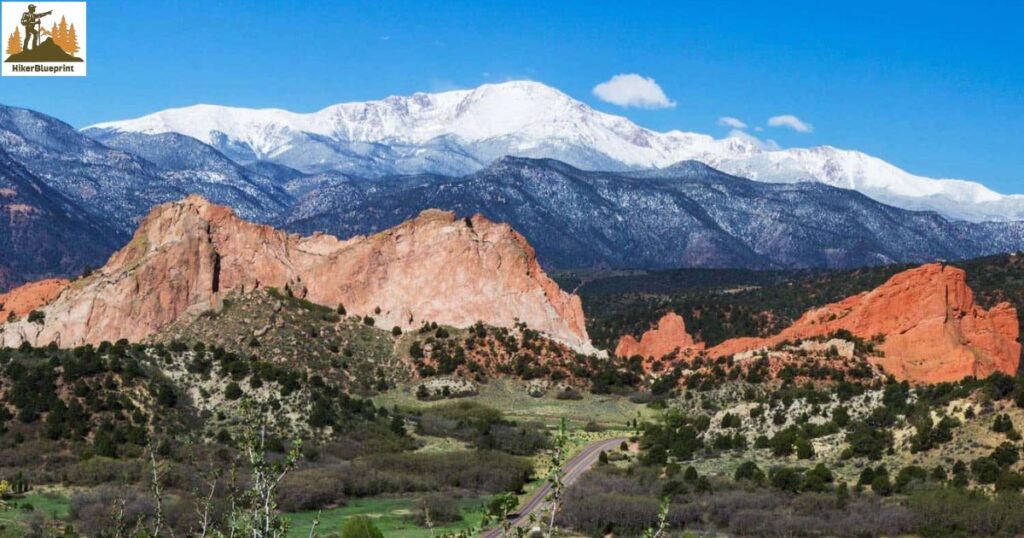
Best for: Families, casual walkers, and visitors looking for an accessible scenic walk.
Garden of the Gods is one of Colorado Springs’ most recognizable outdoor destinations. Enormous sandstone formations rise above the landscape, creating an impressive setting for a relatively easy walk.
The Central Garden Trail takes you close to some of the park’s most distinctive formations. It’s an excellent option if you want memorable scenery without committing to a long or steep hike.
Trail Details
- Location: Garden of the Gods, Colorado Springs
- Distance: Approximately 1.5 miles round trip
- Elevation gain: Less than 30 feet
- Difficulty: Easy
- Estimated time: Around 45–60 minutes
The paved trail makes this one of the more accessible choices in the Best Hikes Colorado selection. Visitors using wheelchairs or strollers can enjoy much of the route, although individual accessibility needs should always be considered.
If you have extra time, explore nearby paths for different views of the rock formations. The Siamese Twins Trail is another popular short walk, offering a natural window through the rocks with a view toward Pikes Peak.
Planning tip: Visit the Garden of the Gods Visitor & Nature Center for maps and current information. Parking can become busy during peak hours, so an early arrival is helpful.
4. Mount Falcon Castle Trail
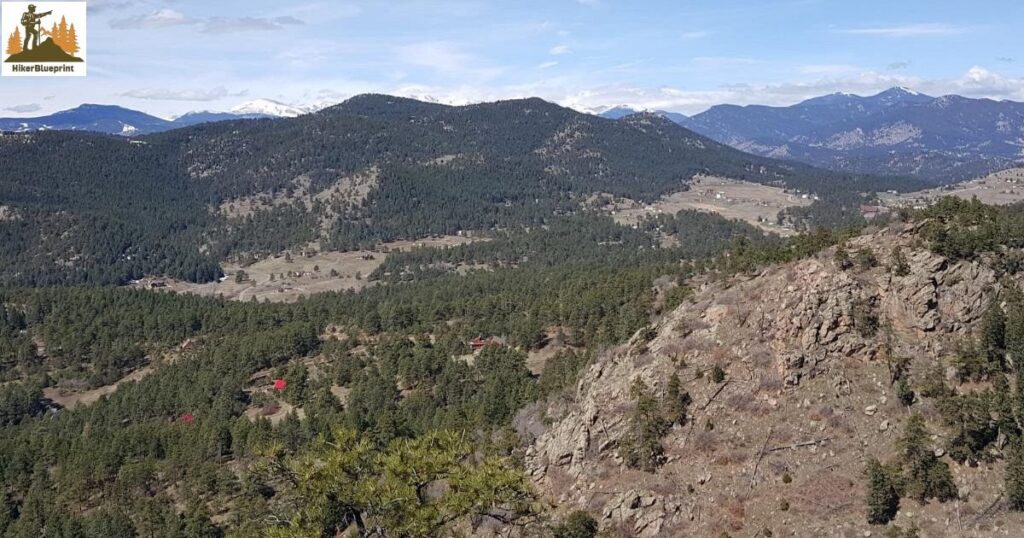
Best for: Hikers who want foothill views and a more substantial workout near Denver.
Mount Falcon Park near Morrison offers several routes through open foothills and wooded areas. The Castle Trail is a popular choice for hikers who want a challenging climb without traveling deep into the mountains.
The trail leads toward the historic ruins of John Brisben Walker’s castle. The site adds an unusual historical element to a hike that also offers broad views across the surrounding landscape.
Trail Details
- Location: Mount Falcon Park, Morrison
- Distance: Varies depending on the selected route
- Elevation gain: Depends on the trailhead and route
- Difficulty: Moderate to strenuous
- Estimated time: Several hours for longer options
Mount Falcon has east-side and west-side trailheads. Your starting point makes a significant difference to the distance and elevation gain, so check the route map before choosing your hike.
The eastern approach can provide a serious uphill workout. If you’re new to Colorado hiking, consider a shorter option before attempting a longer climb.
Planning tip: Review the park’s trail map before leaving. Some routes are multi-use, so you may share sections with mountain bikers and horseback riders.
5. Chautauqua Trail, Boulder
Best for: Visitors who want classic Flatirons scenery near Boulder.
Chautauqua Park sits at the foot of Boulder’s famous Flatirons. Its trail network provides access to open meadows, rocky slopes, and forested paths, making it a convenient starting point for exploring the foothills.
The Chautauqua Trail is a popular route through the meadow toward the mountain landscape. It can be a relatively short outing, but connecting trails climb steeply and can become strenuous.
Trail Details
- Location: Chautauqua Park, Boulder
- Distance: Depends on the chosen trail
- Elevation gain: Varies by route
- Difficulty: Easy to strenuous
- Estimated time: Around 1 hour for a short outing, longer for connected routes
The trail network offers options for different fitness levels. Shorter walks provide excellent Flatirons views, while longer routes climb toward the surrounding ridges.
The area is heavily used, particularly on weekends and during pleasant weather. Parking can be difficult, and exposed sections offer limited shade.
Planning tip: Bring water and sun protection. Check City of Boulder trail information for current closures, parking arrangements, and access rules.
6. Sky Pond, Rocky Mountain National Park
Best for: Experienced day hikers looking for waterfalls, alpine lakes, and dramatic mountain scenery.
Sky Pond is one of the most rewarding challenging hikes in Rocky Mountain National Park. The route passes waterfalls and mountain lakes before reaching a striking alpine basin surrounded by rugged peaks.
Unlike the shorter Bear Lake walks, this is a full-day outing. It requires good fitness, preparation, and awareness of changing mountain weather.
Trail Details
- Location: Rocky Mountain National Park
- Starting point: Glacier Gorge Trailhead
- Distance: Approximately 9.8 miles round trip
- Elevation gain: About 1,710 feet
- Difficulty: Strenuous
- Estimated time: Around 5–7 hours
The route passes Alberta Falls, The Loch, and Timberline Falls before reaching Sky Pond. The approach near Timberline Falls includes steep, rocky terrain that can be slippery, particularly when wet or icy.
This isn’t a suitable first high-altitude hike for someone who has just arrived in Colorado. Build up to it with shorter outings and allow time to adjust to the elevation.
Planning tip: Start early and check the National Park Service’s current trail conditions. Snow and ice can remain on sections of the route even when lower trails are clear. The Rocky Mountain Timed Entry 2027 guide can help readers understand reservation planning, while the Two-Day Rocky Mountain National Park Itinerary guide can help organize a longer visit.
7. Blue Lakes Trail, Mount Sneffels Wilderness
Best for: Hikers seeking turquoise alpine lakes and dramatic mountain scenery.
The Blue Lakes Trail near Ridgway is one of southwestern Colorado’s standout mountain hikes. Its bright blue water, steep surrounding peaks, and high-country setting make it a memorable destination.
The route climbs through the Mount Sneffels Wilderness toward a series of lakes. Lower Blue Lake is a popular turnaround point, while continuing to the higher lakes makes the outing longer and more demanding.
Trail Details
- Location: Mount Sneffels Wilderness, near Ridgway
- Distance: About 6 miles round trip to Lower Blue Lake
- Elevation gain: Significant, with additional climbing beyond Lower Blue Lake
- Difficulty: Moderate to strenuous
- Estimated time: Around 4–6 hours for a typical Lower Blue Lake outing
The trail begins at high elevation and climbs steadily. The scenery becomes increasingly alpine as you gain height, but thinner air can make the ascent feel harder than the mileage suggests.
If you continue beyond Lower Blue Lake, expect a longer day and additional climbing. Don’t treat the upper lakes as a casual extension if you’re already tired or facing changing weather.
Planning tip: Check current access and trail information through Colorado Trail Explorer and the managing Forest Service office. The area is popular, and parking conditions can change.
8. Hanging Lake, Glenwood Canyon
Best for: Hikers who want a distinctive waterfall and turquoise-lake destination.
Hanging Lake is a protected natural landmark in Glenwood Canyon. Its clear turquoise water, delicate shoreline, and waterfalls make it one of Colorado’s most recognizable hiking destinations.
The trail is short compared with many mountain routes, but don’t mistake its mileage for an easy walk. It climbs steeply over rocky steps and switchbacks, gaining approximately 1,200 feet in just over a mile.
Trail Details
- Location: Glenwood Canyon, near Glenwood Springs
- Distance: Approximately 2.4 miles round trip
- Elevation gain: About 1,200 feet
- Difficulty: Moderate to strenuous
- Estimated time: Around 3 hours
The climb follows Deadhorse Creek through a narrow canyon. Near the top, you’ll reach Hanging Lake, with Spouting Rock nearby.
A paid timed-entry permit is required year-round. The reservation system helps protect the fragile ecosystem and manage visitor numbers. Swimming, wading, fishing, and other activities that could damage the lake are prohibited.
Planning tip: Reserve through the official Hanging Lake booking system before traveling. Carry enough water, wear shoes with reliable traction, and use the restrooms at the trailhead before starting.
9. Four Pass Loop, Maroon Bells-Snowmass Wilderness
Best for: Experienced backpackers seeking a demanding multi-day mountain adventure.
Four Pass Loop is not an ordinary day hike. This challenging route circles the Maroon Bells and crosses four mountain passes, each above 12,000 feet.
The scenery includes alpine lakes, wildflower-filled basins, rugged ridgelines, and expansive views across the Elk Mountains. It’s an extraordinary trip, but the distance, elevation, and weather exposure make it unsuitable for inexperienced hikers.
Trail Details
- Location: Maroon Bells-Snowmass Wilderness, near Aspen
- Distance: Approximately 26–28 miles
- Elevation gain: Roughly 8,000–8,600 feet
- Difficulty: Very strenuous
- Estimated time: Commonly 3–4 days
- High points: Above 12,000 feet
The route crosses Buckskin, Trail Rider, Frigid Air, and West Maroon passes. Each climb involves substantial elevation, and conditions can change quickly in the high country.
Overnight permits are required for designated camping zones in the wilderness. You must reserve the correct zone for each night of your trip. Bear-resistant food storage requirements also apply.
Access to the Maroon Bells trailhead has separate transportation and parking arrangements. During the operating season, visitors generally need a shuttle or parking reservation.
Planning tip: Study the route, camping zones, and current Forest Service requirements well before departure. The Colorado Trail Section Hikes guide may also help backpackers compare shorter multi-day alternatives before attempting this demanding loop.
10. Other Colorado Hikes Worth Considering
The trails above cover several different hiking experiences, but Colorado has plenty of other options worth adding to your shortlist.
| Trail | Location | Approx. Distance | Why Consider It |
|---|---|---|---|
| Siamese Twins Trail | Garden of the Gods | 1 mile round trip | Short walk with a distinctive Pikes Peak view |
| Bierstadt Lake | Rocky Mountain National Park | Varies by trailhead | Forest scenery and a peaceful alpine lake |
| Alberta Falls | Rocky Mountain National Park | About 1.6 miles round trip from Glacier Gorge | Waterfall destination with a relatively short approach |
| The Loch | Rocky Mountain National Park | About 6 miles round trip from Glacier Gorge | Mountain lake and forest scenery |
| Carpenter Peak | Roxborough State Park | 6.5 miles round trip | A longer climb with broad foothill views |
If you want to explore another Colorado landscape, consider the Colorado National Monument Hikes guide for routes among dramatic canyon walls and desert scenery.
How to Choose the Right Colorado Hike
The best route depends on more than scenery. Consider how much time you have, how your body handles elevation, and what the trail demands.
If You’re a Beginner
Start with a route that offers good scenery without a major climb. Garden of the Gods, Fountain Valley, and shorter Bear Lake options are sensible starting points.
Avoid planning a difficult summit or long alpine hike for your first day in Colorado. Give yourself time to adjust to the elevation.
If You Want a Challenging Day Hike
Sky Pond and Blue Lakes offer rewarding mountain scenery, but both require preparation. Review the distance, elevation gain, trail conditions, and weather forecast before committing.
Hanging Lake is shorter, but its steep climb makes it physically demanding.
If You’re Planning a Backpacking Trip
Four Pass Loop is a serious undertaking. You need experience with multi-day hiking, high-elevation travel, navigation, camping, and changing mountain weather.
If you’re new to backpacking, consider a shorter overnight route before attempting a high mountain loop.
When Is the Best Time to Hike in Colorado?
For many high-elevation trails, July through September offers the most reliable summer hiking conditions. Snow usually retreats from more mountain routes, wildflowers appear, and access improves.
However, the season varies by elevation and location.
| Season | What to Expect | Best Approach |
|---|---|---|
| Spring | Snow and ice remain on many high trails | Choose lower-elevation routes |
| Summer | Better access to alpine trails, with afternoon storms | Start early and monitor forecasts |
| Fall | Cooler temperatures and changing aspen colors | Check for early snow and shorter daylight |
| Winter | Snow, ice, and difficult access at higher elevations | Choose suitable winter routes and carry proper equipment |
Afternoon thunderstorms are a serious concern in Colorado’s mountains. Start early, monitor the forecast, and avoid exposed ridges and high passes when storms approach.
Permits, Reservations, Parking, and Trail Access
Some of Colorado’s most popular hikes require advance planning. A beautiful trail can become a disappointing trip if you arrive without the correct reservation.
Here are the main access considerations:
- Rocky Mountain National Park: Timed-entry reservations may apply during the busy season. Check the official park page for the current year’s rules.
- Hanging Lake: A paid timed-entry permit is required. Reserve before arriving at the trailhead.
- Maroon Bells: Shuttle and vehicle parking reservations apply during designated operating periods. Check the current season’s dates and arrangements.
- Four Pass Loop: Overnight permits are required for designated wilderness camping zones. Trailhead transportation and parking may require a separate reservation.
- State and county parks: Entrance fees, parking rules, dog restrictions, and operating hours vary by location.
For 2027 travel, don’t assume reservation dates, fees, or operating schedules will remain identical to 2026. Check the managing agency’s official information before booking.
How to Prepare for Hiking at Colorado’s Elevation
Colorado’s altitude can affect visitors even when a trail looks easy on a map. Many popular hikes begin above 8,000 feet, and some start close to or above 10,000 feet.
A few practical steps can make your outing safer and more enjoyable:
- Acclimatize first. Spend time at a lower elevation before attempting a demanding mountain hike.
- Start with shorter routes. Give yourself a chance to understand how your body responds.
- Carry enough water. Colorado’s dry air and physical exertion can increase your hydration needs.
- Bring sun protection. UV exposure is stronger at higher elevations.
- Check the weather. Mountain conditions can change rapidly, especially during summer afternoons.
- Pack extra layers. Temperatures can drop quickly, even after a warm morning.
- Carry navigation. Download maps or bring an offline navigation option where cell service is unreliable.
If you experience a worsening headache, nausea, dizziness, or unusual fatigue at altitude, stop ascending and take the symptoms seriously. Severe or worsening symptoms require prompt descent and medical attention.
Common Mistakes to Avoid on Colorado Hiking Trails
Even experienced hikers can make poor decisions when they underestimate Colorado’s conditions.
- Choosing a hike by mileage alone: A short trail with 1,200 feet of climbing can be harder than a longer, flatter route.
- Ignoring altitude: A trail that looks easy on paper may feel very different above 9,000 feet.
- Starting too late: Afternoon thunderstorms can create dangerous conditions above treeline.
- Skipping reservations: Popular destinations may turn visitors away without the correct permit.
- Assuming trails are snow-free: High-elevation routes can hold snow well into summer.
- Underestimating water needs: Dry air, sun, and climbing can increase dehydration risk.
- Leaving the trail: Shortcuts damage fragile vegetation and cause erosion.
A little preparation helps you spend more time enjoying the landscape and less time dealing with avoidable problems.
Frequently Asked Questions About Hiking in Colorado
What is the best beginner hike in Colorado?
Bear Lake is a great choice for alpine scenery, while Fountain Valley and Garden of the Gods offer easier foothill and red-rock walks.
What is the best month to hike in Colorado?
July through September is generally best for many high-elevation trails, although lower routes can be accessible earlier and later.
Do you need permits to hike in Colorado?
Not for every trail. However, destinations such as Hanging Lake and certain wilderness camping areas require permits or reservations.
Are Colorado hikes difficult because of altitude?
They can be. High elevation reduces available oxygen, so even moderate routes may feel harder than similar trails at lower elevations.
Can beginners hike in Rocky Mountain National Park?
Yes. Shorter routes around Bear Lake are popular options, but visitors should account for high trailhead elevations, weather, and park access requirements.
Final Thoughts
Colorado’s hiking trails offer everything from easy red-rock walks to demanding alpine adventures. The smartest choice is the one that fits your fitness, experience, and the conditions on the day you visit.
Start with a manageable route, check access requirements, and build toward more challenging trails as your confidence grows. With sensible planning, the Best Hikes Colorado has to offer can turn a trip into an unforgettable outdoor experience.
You may also like this:

Ahmed Khubaib is a passionate hiker with over 10 years of experience in hiking, camping, and exploring trails solo and with kids.
He shares firsthand experiences, practical hiking tips, and trail guides to help adventurers explore the outdoors safely.