Planning a visit to Biscayne National Park for the first time? Unlike most national parks, this South Florida destination is almost entirely underwater. Its coral reefs, mangrove forests, tropical islands, and historic shipwrecks make it a fascinating place to explore, but you’ll need a little planning to experience its highlights.
The best Biscayne National Park Itinerary combines an early visit to the mainland visitor center with one memorable boat excursion. Whether you prefer snorkeling, exploring tropical islands, or paddling through mangroves, one well-planned day can give you an excellent introduction to this remarkable park.
Key Takeaways
- Book a boat excursion in advance: Most of Biscayne’s highlights require water transportation.
- Start at Convoy Point: Visit the Dante Fascell Visitor Center and walk the Jetty Trail.
- Choose one major activity: Prioritize snorkeling or an island sightseeing cruise.
- Visit during the cooler months: November through April generally offers more comfortable conditions.
- Bring sun protection: Florida’s tropical sun can be intense, particularly on open water.
- Keep your afternoon flexible: Weather, wind, and boat schedules can affect outdoor activities.
Biscayne National Park Itinerary: Quick Overview
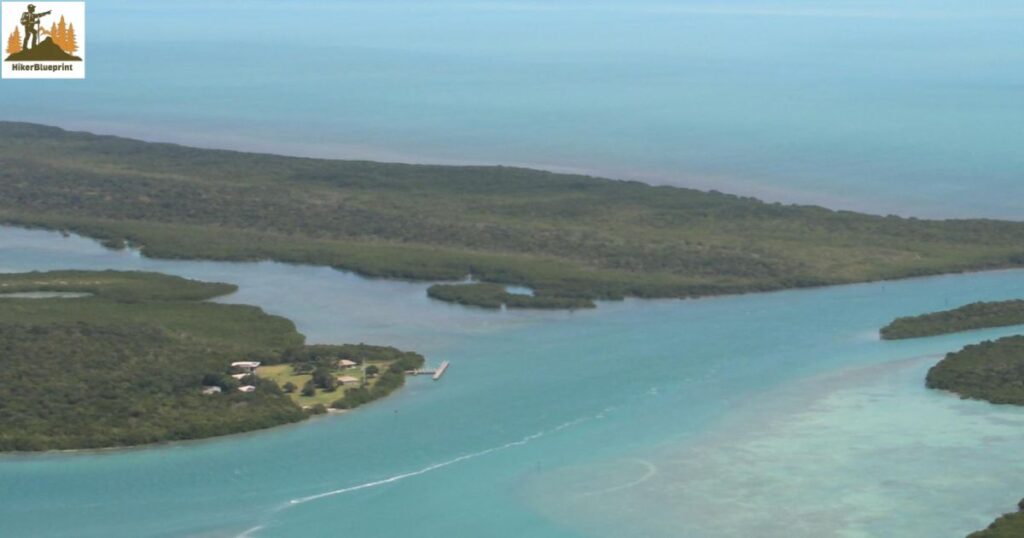
Biscayne National Park sits south of Miami, near Homestead, Florida. Approximately 95% of the park is covered by water, making boating and water-based activities its biggest attractions.
| Travel Detail | Information |
|---|---|
| Location | Homestead, Florida |
| Closest major city | Miami |
| Recommended duration | 1 full day |
| Entrance fee | Free |
| Mainland access | Convoy Point |
| Visitor center | 9 AM–5 PM |
| Convoy Point grounds | 7 AM–5:30 PM |
| Best visiting season | November–April |
| Main activities | Snorkeling, boating, kayaking, sightseeing |
| Difficulty | Mostly easy land-based activities |
| Boat reservations | Highly recommended |
One important detail: there are no bridges or regular ferries connecting the mainland to the park’s islands. You’ll need a private boat or authorized excursion to reach places such as Boca Chita Key and Elliott Key.
Your One-Day Biscayne National Park Itinerary
The following schedule balances sightseeing, water activities, and relaxation without trying to squeeze every attraction into one day.
| Time | Activity | Recommended Experience |
|---|---|---|
| 8:00–9:15 AM | Arrive at Convoy Point | Visitor center area and Jetty Trail |
| 9:30 AM–1:00 PM | Main water excursion | Snorkeling or island sightseeing |
| 1:00–2:00 PM | Lunch | Picnic near the bay |
| 2:00–4:00 PM | Afternoon activity | Kayaking, paddling, or relaxing |
| 4:00–5:00 PM | Final exploration | Visitor center and scenic views |
Your boat reservation determine the rest of your schedule. Some excursions depart from locations outside the national park, including Coconut Grove and Deering Estate. Always check your confirmation email for the correct departure location.
8:00–9:15 AM: Start at Dante Fascell Visitor Center
Begin your Biscayne National Park Itinerary at the Dante Fascell Visitor Center, located at Convoy Point.
The grounds open at 7 AM, while the visitor center opens at 9 AM. Arriving early gives you time to enjoy the waterfront before your scheduled excursion.
Inside, you’ll find:
- Educational exhibits about Biscayne Bay.
- Information about coral reefs and marine ecosystems.
- Park films and displays.
- Restrooms and a bookstore.
- Rangers who can help with visitor information.
Afterward, take the Convoy Point Jetty Trail, an approximately 0.8-mile round-trip walk.
This easy, mostly flat route offers views across Biscayne Bay. Interpretive stations along the trail explain the surrounding environment, making it a worthwhile introduction even if you’re not an experienced hiker.
For additional navigation information, consult the Biscayne National Park map guide before arriving.
9:30 AM–1:00 PM: Choose Your Main Water Adventure
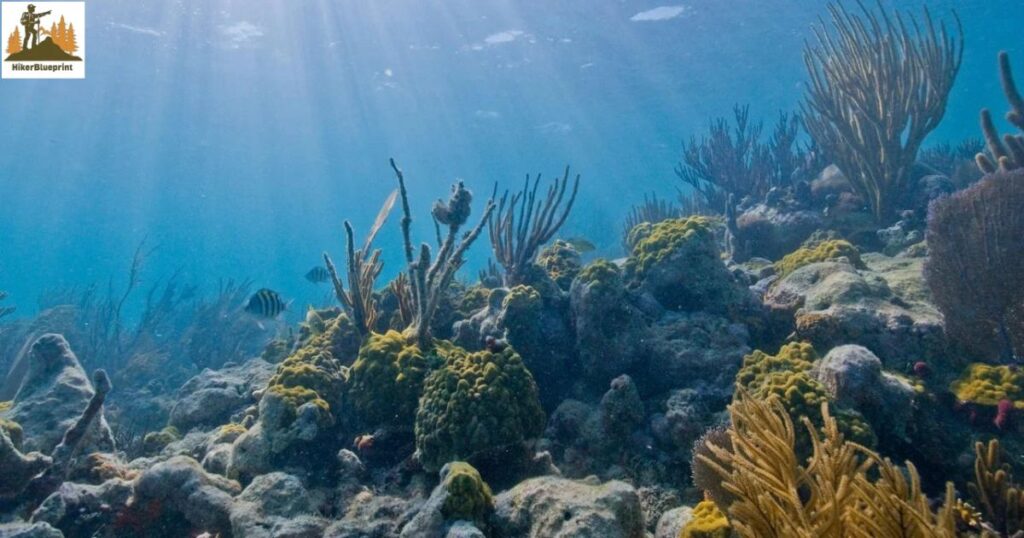
This is the highlight of most first-time visits. Rather than booking several lengthy excursions, choose one experience that matches your interests.
Option 1: Snorkeling and Coral Reefs
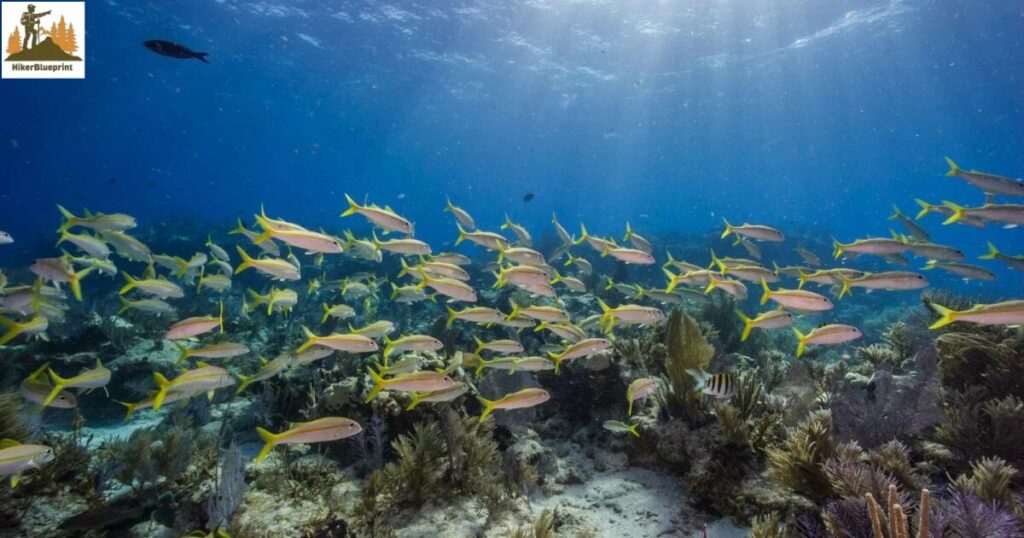
If you’re comfortable swimming, snorkeling is one of the most rewarding ways to experience the park.
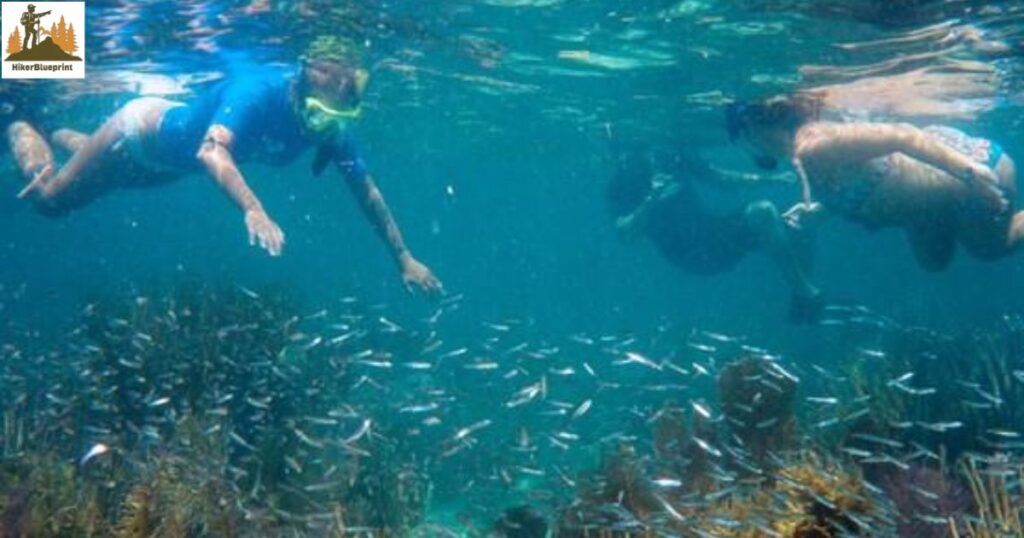
Guided excursions take visitors toward coral reefs, marine habitats, and selected shipwreck locations along the Maritime Heritage Trail.
You may encounter:
- Colorful tropical fish.
- Coral formations.
- Sea turtles.
- Rays and other marine animals.
- Historic underwater shipwrecks.
The Maritime Heritage Trail features six shipwreck sites representing different periods of South Florida’s maritime history.
Recommended for: Visitors who enjoy swimming, snorkeling, and marine wildlife.
Bring a rash guard, towel, reef-conscious sunscreen, and dry clothes. Follow your guide’s instructions and never touch coral or marine animals.
Option 2: Visit Boca Chita Key
If you prefer staying dry, choose an island sightseeing cruise.
Boca Chita Key is among the park’s most recognizable destinations. Its ornamental lighthouse, waterfront views, and peaceful island atmosphere make it an excellent introduction to Biscayne’s offshore scenery.
You can:
- Explore the island’s developed areas.
- Photograph the historic-style lighthouse.
- Enjoy views across Biscayne Bay.
- Relax near the waterfront.
The lighthouse is an iconic visual landmark, although access to its interior and upper areas can depend on availability.
Option 3: Explore Elliott Key
Elliott Key is the largest island in Biscayne National Park.
It offers a different experience from Boca Chita Key, with tropical vegetation, picnic areas, camping facilities, and hiking opportunities.
The island has two notable walking routes:
- A one-mile loop between the bay and ocean sides.
- A longer trail running approximately seven miles across the island, or 14 miles round trip.
The longer route is considerably more demanding than the mainland Jetty Trail. Dense vegetation can also make sections overgrown.
Explore the Elliott Key Trail if you’re planning a longer visit rather than trying to fit the entire route into your first-day schedule.
1:00–2:00 PM: Enjoy a Relaxed Lunch
After your excursion, slow down and enjoy lunch.
Pack sandwiches, fruit, snacks, and plenty of drinking water. A picnic near Convoy Point is a convenient option if your tour returns to the visitor center.
Avoid leaving food or trash behind. Biscayne’s coastal ecosystems are sensitive, and visitors should pack out everything they bring.
If your boat trip visits an island, check its available facilities before relying on them for food or drinking water.
2:00–4:00 PM: Explore the Mangroves by Kayak
If you still have energy, spend the afternoon exploring Biscayne’s mangrove-lined waterways.
Kayaking and canoeing provide a quieter experience than sightseeing cruises. You can observe shallow-water habitats, birds, fish, and other wildlife.
Jones Lagoon is particularly interesting for experienced paddlers and guided excursions. Its shallow waters support rays, fish, upside-down jellyfish, and wading birds.
The Biscayne National Park Institute offers guided paddling experiences. Visitors with their own equipment can also launch from the designated Convoy Point area.
Important: Check wind, weather, and water conditions before paddling. Rental equipment is not currently offered directly by the park.
If you prefer a less active afternoon, simply explore the visitor center grounds and enjoy the waterfront scenery.
4:00–5:00 PM: Finish With Scenic Views
Use the final hour to enjoy the surroundings without rushing.
Take another short waterfront walk, visit the bookstore, or spend a few minutes watching birds along the bay.
Convoy Point grounds close at 5:30 PM, so plan your departure accordingly.
This relaxed ending makes your Biscayne National Park Itinerary more enjoyable than trying to squeeze in another major excursion.
Best Time to Follow This Itinerary
November through April is generally a comfortable period for visiting Biscayne National Park.
| Season | What to Expect |
|---|---|
| Winter (December–February) | Mild temperatures and generally lower humidity |
| Spring (March–April) | Warm weather and generally favorable outdoor conditions |
| Summer (May–August) | Hot, humid conditions and afternoon thunderstorms |
| Fall (September–November) | Variable weather and hurricane-season considerations |
Morning excursions are often preferable because afternoon winds and thunderstorms can affect boating conditions.
Remember that favorable seasonal patterns don’t guarantee calm seas. Check weather forecasts and tour updates before departure.
Getting to Biscayne National Park
The main mainland entrance is at Convoy Point, approximately 45 minutes south of downtown Miami, depending on traffic.
From Florida’s Turnpike, take Exit 6 toward Speedway Boulevard. Follow the road to SW 328th Street and continue approximately four miles to the park entrance.
There is no entrance fee, although guided excursions, rentals, docking, and camping involve additional charges.
For your Biscayne National Park Itinerary, consider staying in Homestead if you want a shorter morning drive. Miami is another option, particularly if you’re combining the visit with other South Florida attractions.
Reservations, Fees, and Practical Planning
Although entering the park is free, getting onto the water may require a paid excursion.
The Biscayne National Park Institute operates educational boat trips, snorkeling experiences, and guided paddling adventures.
Reservations are strongly recommended, particularly on weekends and holidays. Some programs require advance booking, while others may accept walk-ins if space is available.
Before leaving, remember to:
- Confirm your excursion’s departure location.
- Check the weather and park alerts.
- Bring drinking water and snacks.
- Pack reef-conscious sunscreen and a hat.
- Carry a waterproof bag for electronics.
- Wear comfortable footwear.
- Keep a change of dry clothes available.
Nearby Attractions Worth Considering
If you’re spending several days in South Florida, Biscayne makes an excellent addition to a wider national park trip.
Everglades National Park Itinerary: Approximately 45 minutes west of Convoy Point, depending on your destination and traffic. Its wetlands, wildlife, and scenic drives offer a completely different outdoor experience.
Best Hikes in Florida: If you want to explore more land-based outdoor destinations, consider adding other Florida trails to your travel plans.
Frequently Asked Questions
Is one day enough to visit Biscayne National Park?
Yes. One day is sufficient to explore Convoy Point, visit the visitor center, and enjoy a boat excursion. However, you’ll need additional time to experience more islands and waterways.
Do you need a boat to explore the park?
You can visit Convoy Point without a boat, but reaching the offshore islands, coral reefs, and many of the park’s major attractions requires water transportation.
Is there an entrance fee?
No. Biscayne National Park offers free general admission. However, boat tours, camping, docking, and other services may involve additional fees.
What is the best month to visit?
November through April generally offers more comfortable temperatures and lower humidity. However, boating conditions can change throughout the year.
Can beginners enjoy Biscayne National Park?
Absolutely. The mainland visitor center and Jetty Trail are beginner-friendly. Guided sightseeing cruises are also suitable for visitors who prefer not to snorkel or paddle.
Final Thoughts
A successful Biscayne National Park Itinerary doesn’t require visiting every island or booking multiple excursions. Focus on one memorable water adventure, explore Convoy Point, and leave enough time to appreciate the park’s natural beauty.
Book your main excursion early, check current conditions, and keep your afternoon flexible. With a little preparation, one day can provide a wonderful introduction to one of Florida’s most distinctive national parks.

Ahmed Khubaib is a passionate hiker with over 10 years of experience in hiking, camping, and exploring trails solo and with kids.
He shares firsthand experiences, practical hiking tips, and trail guides to help adventurers explore the outdoors safely.