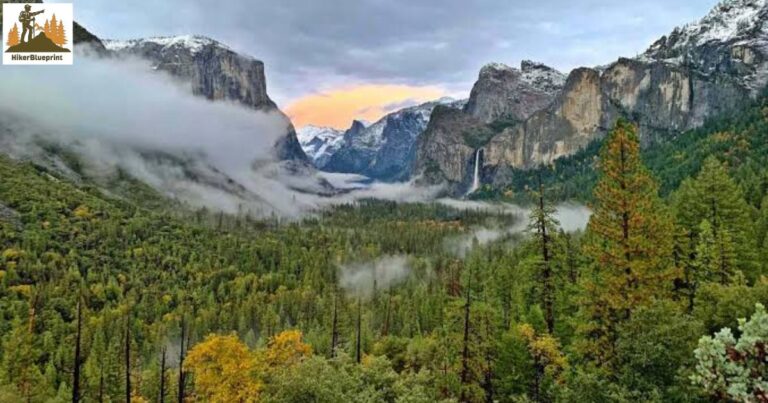
A family hiking trip to Yosemite National Park can create memories your kids talk about for years. Picture them spotting a waterfall, looking up at towering granite cliffs, or seeing a giant sequoia for the first time. Of course, there’s another possibility: someone gets hungry halfway down the trail, another child refuses to walk, and your carefully planned adventure becomes a negotiation over snacks.
The secret to enjoying Yosemite easy hikes with kids isn’t squeezing every famous attraction into one day. It’s choosing trails that match your family’s energy, keeping travel time manageable, and knowing when to call it a win. A short walk with happy kids beats a long hike that ends with everyone exhausted.
This guide covers 10 family-friendly walks and easy hikes, convenient picnic spots, seasonal considerations, and a simple schedule for a smoother day. You’ll also find practical advice for toddlers, stroller users, and families visiting Yosemite for the first time.
Quick Guide to Yosemite Easy Hikes for Families
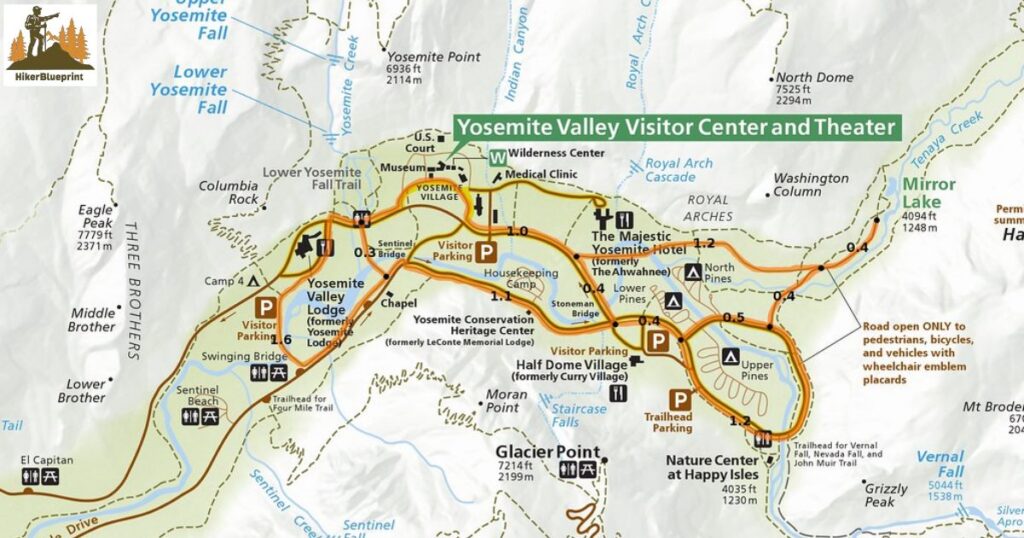
If you’re visiting Yosemite with children, start by choosing an easy hikes that fits your available time and your youngest hiker’s abilities. Short, relatively flat routes with nearby facilities usually make family outings easier to manage.
The table below provides a starting point. Distances are approximate, and some options are short walks rather than formal hiking trails. Check current conditions before setting out, especially during winter and spring.
| Hike or walk | Approximate distance | Difficulty | Best for |
|---|---|---|---|
| Cook’s Meadow Loop | 1 mile | Easy, flat | Classic valley views |
| Lower Yosemite Fall Trail | 1 mile | Easy | Waterfall scenery |
| Bridalveil Fall Trail | 0.5 mile round trip | Easy | A short waterfall visit |
| Mirror Lake, out and back | 2 miles | Easy to moderate | Granite cliffs and a destination |
| Short Valley Loop segment | Choose your distance | Mostly flat, moderate overall route | Flexible family walks |
| Wawona Meadow Loop | About 3.5 miles | Moderate for younger children | A quieter meadow walk |
| Mariposa Grove | Choose a suitable route | Varies by route | Giant sequoias |
| Happy Isles area walks | Choose a suitable path | Varies by route | Exploring near the Merced River |
| Swinging Bridge area walk | Choose a suitable path | Depends on route | Riverside scenery and a picnic |
| Tuolumne Meadows walks | Choose a suitable route | Often gentle, depending on route | High-country scenery in summer |
Important: The table isn’t a promise that every route will be open, accessible, or suitable for every child on your travel date. Seasonal road access, snow, ice, trail work, and water levels can change the experience. The full Valley Loop Trail and longer Mariposa Grove routes are substantially more demanding than a short stroll.
How to Choose the Right Family easy hike in Yosemite
The best family trail isn’t necessarily the shortest one. It should offer a manageable combination of distance, terrain, scenery, facilities, and opportunities to turn around when little legs have had enough.
Before choosing a route, think about your children’s ages, previous hiking experience, and tolerance for uneven ground. A preschooler who happily walks around the neighborhood may still struggle with a mile of rocky trail. Meanwhile, an older child might enjoy a longer route if there’s a waterfall or interesting landmark along the way.
Look for a Reward Early in the Walk
Kids often enjoy hikes more when something interesting happens before their patience runs out. A waterfall, a giant tree, a bridge, or a broad view can make a short walk feel like a real adventure.
Cook’s Meadow and Lower Yosemite Fall are useful options because their scenery arrives without a long climb. For a different experience, Mariposa Grove introduces children to giant sequoias, although reaching particular trees requires more walking.
Make Turning Around Part of the Plan
You don’t need to finish a loop to have a successful hike. If your family is tired, turn back when the return route is still comfortable.
This is particularly important on trails with slippery surfaces, exposed sections, or significant elevation gain. Set expectations before leaving: the goal is to enjoy the outing, not to reach a specific distance at any cost.
Check Facilities and Access Before You Go
Bathrooms, picnic tables, and convenient parking can make a meaningful difference when you’re traveling with young children. However, facilities aren’t available at every trailhead, and conditions can change seasonally.
Check the official park information for your chosen trail, including access, parking, and accessibility details. If a child needs a restroom break every hour, plan accordingly rather than hoping one appears at the perfect moment.
10 Family-Friendly Walks and easy hikes in Yosemite
Yosemite offers plenty of ways to experience its scenery without committing to a strenuous mountain hike. These 10 options include short waterfall walks, flat meadow paths, flexible valley routes, and a few longer outings for families whose children enjoy walking.
1. Cook’s Meadow Loop
Distance: About 1 mile
Elevation gain: Flat
Difficulty: Easy
Best for: First-time visitors, younger children, and photography
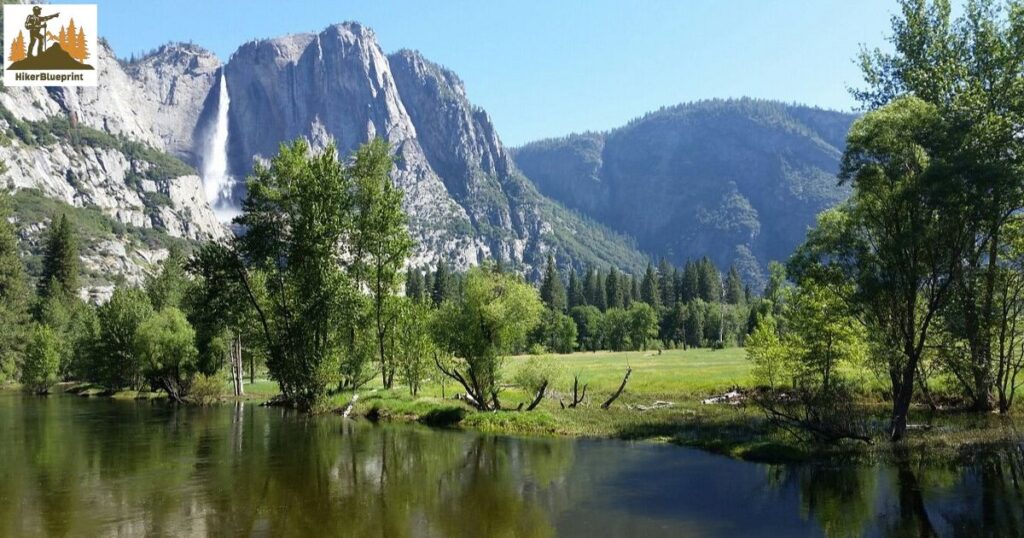
Cook’s Meadow is one of the strongest choices for families who want spectacular views without a demanding climb. The loop crosses the heart of Yosemite Valley, offering views of Yosemite Falls, Half Dome, Sentinel Rock, and other landmarks.
The flat route makes it easier to walk at a relaxed pace, stop for photographs, and let children observe their surroundings. Boardwalk sections help protect the meadow, so keep everyone on designated paths rather than cutting across the grass.
Family tip: Turn the walk into a scavenger hunt. Ask children to spot a waterfall, a granite cliff, a bird, and the tallest tree they can find. It gives them something to do beyond asking how much farther they have to walk.
2. Lower Yosemite Fall Trail
Distance: About 1 mile for the full loop
Elevation gain: About 50 feet
Difficulty: Easy
Best for: Waterfall lovers and families with limited time
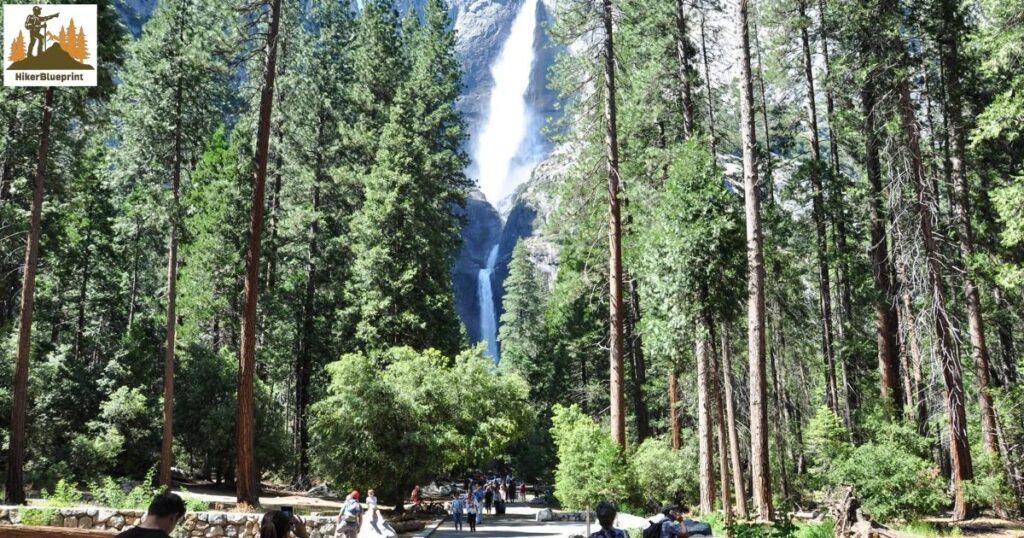
Lower Yosemite Fall offers a close-up look at one of the park’s famous waterfalls. The short loop makes it a practical choice when you want a memorable outdoor experience without dedicating half the day to hiking.
Spring and early summer often bring stronger water flow, creating an impressive display. Later in the year, the waterfall may have less water or become dry. Spray can also make nearby surfaces wet, so keep children away from slippery edges and obey all posted warnings.
Family tip: Visit earlier in the day when practical, then enjoy lunch at a designated picnic area. Bring a light jacket if you expect to get close to the waterfall during high flow.
3. Bridalveil Fall Trail
Distance: About 0.5 mile round trip
Elevation gain: About 80 feet
Difficulty: Easy
Best for: A quick waterfall stop
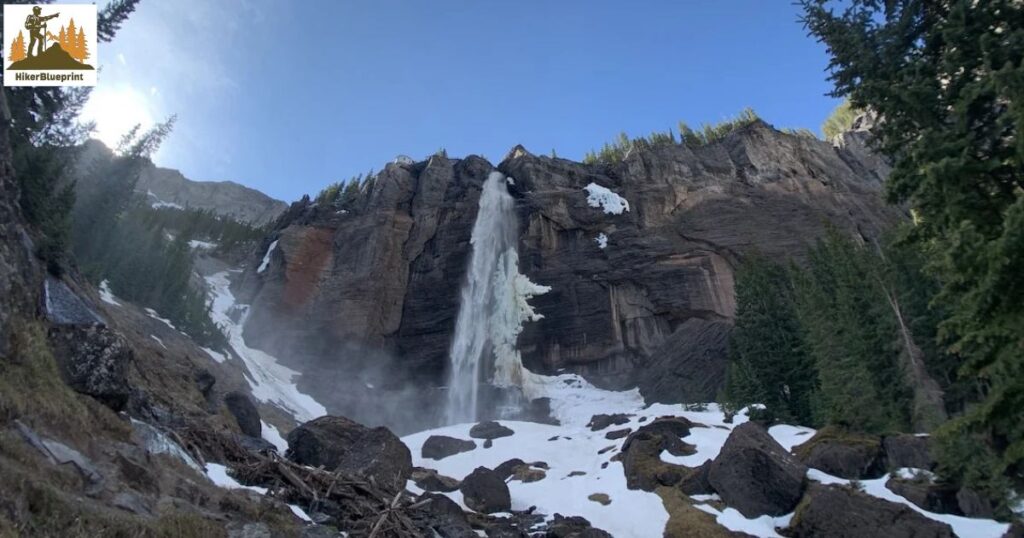
Bridalveil Fall is a useful option when your family wants a short walk with a dramatic payoff. The route is relatively brief, making it easier to fit between other sightseeing stops.
Conditions around waterfalls can change quickly. Water spray, wet granite, snow, and ice can make the ground slippery, even on a short route. Check whether the trail is open and suitable for your visit before leaving the car.
Family tip: Treat this as a short, focused outing rather than a hike that must fill the morning. If the path is slippery or your children are uncomfortable, enjoy a suitable viewpoint instead.
4. Mirror Lake, Out and Back
Distance: About 2 miles round trip to the lake
Elevation gain: About 100 feet
Difficulty: Easy to moderate
Best for: Families who want a destination to walk toward
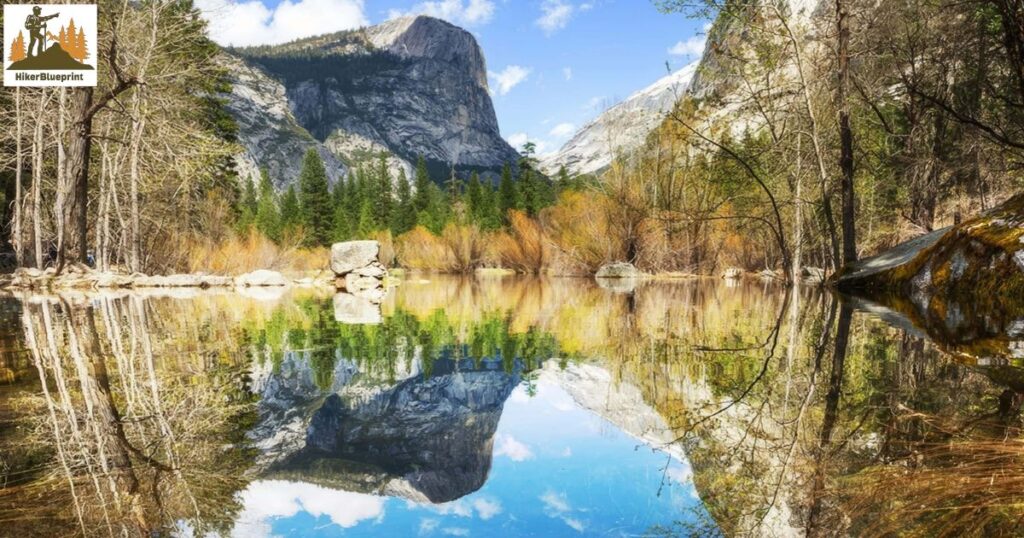
Mirror Lake gives children a clear goal: follow the path toward the water and enjoy the surrounding granite scenery. The route to the lake is approximately two miles round trip, while the full loop is longer.
The lake’s appearance changes throughout the year. Water levels, reflections, and surrounding scenery vary, so don’t promise children a perfect mirror image of Half Dome. The walk can still be rewarding when the lake looks more like a shallow stream or meadow.
Family tip: Set a snack stop as your destination. Eat, explore from safe areas, and head back before tiredness turns a pleasant outing into a struggle.
5. A Short Segment of the Valley Loop Trail
Distance: Choose a manageable section
Elevation gain: Mostly level
Difficulty: The full route is moderate, but short sections may suit families
Best for: Flexible itineraries
You don’t have to hike the entire Valley Loop Trail to enjoy it. Choose a short section that passes through meadows, forest, or areas with views of Yosemite’s granite landmarks, then return when your family is ready.
The full route is much longer than a typical family stroll. Don’t confuse a short out-and-back walk with completing the full loop, and check current closures before selecting your route. Trail access and connections can change during maintenance work.
Family tip: Decide on a turnaround point before starting. A route that can be shortened easily is often a better choice than a loop that leaves you committed to several more miles.
6. Wawona Meadow Loop
Distance: About 3.5 miles
Difficulty: Moderate for many younger children because of its length
Best for: Families looking for a quieter meadow walk
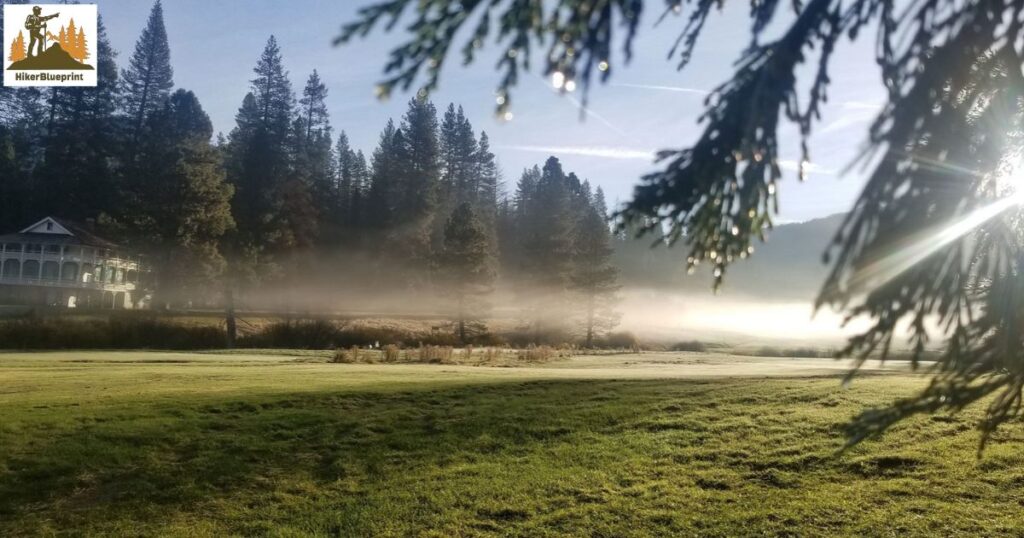
Located in the Wawona area, this meadow route offers a different atmosphere from the busier central valley. It can be appealing for families who want to spend more time walking and less time moving between crowded sightseeing stops.
However, 3.5 miles can be a substantial outing for a young child. The route may suit older kids who already enjoy hiking, but families with toddlers should consider a shorter option. Check the current trail description and conditions before deciding.
Family tip: Don’t choose this route solely because it’s described as a meadow walk. Consider the total distance, the time required, and whether your youngest hiker can comfortably manage the return journey.
7. Mariposa Grove of Giant Sequoias
Distance: Varies by route
Difficulty: Depends on the trail and distance selected
Best for: Children who love giant trees and nature discoveries
Mariposa Grove gives families the chance to see giant sequoias, some of the most memorable trees in Yosemite. Their enormous trunks and unusual scale can turn a simple walk into a lesson about forests, growth, and the natural world.
Choose a route that matches your children’s abilities rather than trying to reach every famous tree. Seasonal access matters here: the grove’s access arrangements and shuttle service vary, and winter visits may require a longer walk from the parking area.
Family tip: Before the visit, explain that the biggest trees are the attraction. Encourage children to look at the bark, compare tree sizes, and notice how the forest changes around them. Check current access details so you know how much walking the day will involve.
8. Happy Isles Area Walks
Distance: Choose a suitable short route
Difficulty: Varies by path
Best for: Families interested in rivers, trees, and nature
The Happy Isles area provides access to a range of natural features near the Merced River and the trail corridor leading toward Vernal Fall. You can explore a suitable short section without committing to the full uphill hike.
Be careful not to treat every route in this area as an easy family walk. Trails farther toward Vernal Fall become steeper, and wet rock or high water can create serious hazards. Select a clearly identified route and stop before the terrain exceeds your group’s comfort level.
Family tip: Give children a simple observation challenge: find different leaf shapes, listen for birds, or notice how the river changes as you walk. Keep them well away from fast-moving water and slippery riverbanks.
9. Swinging Bridge Area Walk
Distance: Depends on the route you choose
Difficulty: Varies by path
Best for: Families combining a short walk with a picnic
The Swinging Bridge area offers an opportunity to enjoy Yosemite Valley’s scenery at a relaxed pace. Rather than committing to a long trail, choose a suitable nearby walk and leave time for a picnic.
Conditions around the Merced River deserve respect. Water levels and currents change, and rocks near the water can be dangerously slippery. Keep children within reach around riverbanks and never allow them to climb onto wet rocks or enter unsafe water.
Family tip: Pack lunch separately from your hiking snacks. If the children finish the walk early, you can move straight to a meal instead of trying to convince everyone to tackle another trail.
10. Tuolumne Meadows Walks
Distance: Varies by route
Difficulty: Depends on the chosen path
Best for: Summer visitors who want high-country scenery
Tuolumne Meadows offers a different side of Yosemite, with open landscapes, mountain views, and cooler conditions than the valley can experience during hot weather. For families visiting during the appropriate season, a short walk in this area can provide a memorable high-country experience.
The main limitation is access. Tioga Road typically closes during the winter, and opening dates depend on snow and other conditions. Even in summer, weather can change quickly at higher elevations. Check road status and trail information before making this the center of your day.
Family tip: Bring warm layers, even if Yosemite Valley feels hot. Choose a short, well-understood route and leave enough time for the drive back.
Best Picnic Spots for Families in Yosemite
A good picnic can reset the mood after a walk. It gives children a chance to eat, rest, and enjoy the surroundings without being asked to keep moving.
Yosemite has designated picnic areas in several parts of the park. Facilities vary by location, so check the official picnic information before your visit. Picnic areas generally operate on a first-come, first-served basis, and reservations aren’t available.
Swinging Bridge Picnic Area
Swinging Bridge is a convenient option in Yosemite Valley for families who want picnic tables and a scenic setting. It can pair well with a shorter walk, allowing you to keep the day simple.
The area may be busy during popular visiting periods. Have a backup picnic location in mind, and never assume a table will be available when you arrive.
Lower Yosemite Fall Picnic Area
The Lower Yosemite Fall area can work well if you’re planning the waterfall trail. The nearby picnic facilities make it easier to combine a short walk with a meal.
The picnic area has potable water, according to the National Park Service, but you should still bring water for your hike. Check the current facilities and access information before relying on any particular service.
Church Bowl Picnic Area
Church Bowl is another Yosemite Valley option, with picnic facilities and potable water. Its location can make it useful for families looking for a place to pause between sightseeing stops.
As with other picnic areas, availability and conditions may vary. Keep food under supervision and use designated waste containers.
Pack a Picnic Kids Will Actually Eat
Simple food is often the best choice for a family day outdoors. Consider sandwiches, fruit, crackers, cheese, and snacks your children already enjoy. An insulated container can help keep food at an appropriate temperature.
Remember Yosemite’s wildlife rules. Keep food, trash, and scented items under control, never leave a picnic unattended, and store items properly when they’re not in use. Bears can associate food smells with people and vehicles, creating risks for visitors and wildlife.
Don’t feed wildlife, even if an animal approaches your picnic area. Keep a safe distance and follow park instructions.
A Low-Stress Daily Schedule for Yosemite With Kids
A flexible schedule helps you avoid turning a family vacation into a race. For many families, the easiest plan is to complete the main walk in the morning, eat lunch before everyone gets tired, and leave the afternoon open.
Use this example as a starting point, not a fixed timetable. Your travel distance, season, weather, and children’s ages may require adjustments.
| Time | Suggested activity | Why it helps |
|---|---|---|
| 7:30–8:30 a.m. | Arrive in the area and prepare | Earlier arrivals can improve your chances of finding parking during busy periods |
| 8:30–10:30 a.m. | Complete your main hike | Children may have more energy earlier in the day |
| 10:30–11:30 a.m. | Snack, bathroom break, and relaxed sightseeing | Gives everyone time to recover |
| 11:30 a.m.–1:00 p.m. | Picnic lunch | Helps prevent hunger and fatigue from building |
| 1:00–3:00 p.m. | Short walk, visitor activity, or quiet time | Keeps the afternoon flexible |
| After 3:00 p.m. | Choose a short stop or return to your accommodation | Avoids overloading the day |
During spring through fall, Yosemite Valley can experience heavy traffic and very limited parking. The National Park Service recommends arriving before 8 a.m. when visiting the valley by car during busy periods. If you find a parking space, consider leaving the car there and walking, biking, or using the free valley shuttle where available.
Build in a Nap or Quiet-Time Window
Young children may need rest even when the adults are ready for another activity. If your child usually naps after lunch, don’t plan a long drive or strenuous hike during that period unless you know it works for your family.
A short afternoon walk can be a better choice than another major attraction. You don’t have to fill every hour to make the trip worthwhile.
Have a Backup Plan for Bad Weather
Cold rain, snow, ice, or excessive heat can change which routes are appropriate. Decide in advance what you’ll do if your first-choice trail isn’t suitable.
That might mean switching to a shorter paved walk, visiting an appropriate indoor facility, or returning to your accommodation. Turning around because conditions are poor is good judgment, not a failed adventure.
Visiting Yosemite With Toddlers and Preschoolers
Toddlers need a different hiking plan from older children. Their walking pace is unpredictable, they tire quickly, and they may be fascinated by something that adults would pass without noticing.
Choose short routes with easy turnaround options. Cook’s Meadow and Lower Yosemite Fall can be useful starting points when current conditions are suitable. Let children walk when they have energy, but don’t rely on them to complete the entire route independently.
Should You Bring a Stroller?
A stroller can work on some paved paths, but it isn’t a universal solution for Yosemite. Crowds, rough surfaces, snow, ice, and slopes can make pushing a stroller difficult. Some trails are not paved or suitable for wheels.
Check the official accessibility information for the exact route you plan to use. If you bring a child carrier, make sure it fits properly and that you can safely manage the terrain and the extra weight.
What About Older Kids?
Older children may enjoy longer hikes if they have a clear goal and some say in the plan. Let them help choose between a waterfall, meadow, or giant-tree walk.
Give them small responsibilities, such as checking the map with an adult or helping choose the picnic stop. Keep the route within their ability, and don’t let enthusiasm replace sensible decisions about weather, water, and daylight.
The Best Time of Year for Family Hikes in Yosemite
Yosemite’s seasons offer different experiences, and each comes with trade-offs for families.
Spring
Spring can bring impressive waterfalls, but snow and ice may remain on trails, particularly at higher elevations. Water levels can also make rivers and waterfall areas hazardous.
Choose routes based on current conditions rather than the calendar alone. A warm afternoon in the valley doesn’t mean higher trails are free of snow.
Summer
Summer offers access to more high-country areas when seasonal roads are open. It’s also a popular time to visit, which means busy roads, crowded trailheads, and limited parking.
Start early when possible, carry enough water, and plan around the heat. If you want to visit Tuolumne Meadows, confirm Tioga Road access before you set your itinerary.
Fall
Fall can bring cooler hiking weather and a more relaxed feel in some areas. However, water levels may be lower, and high-country access can change as roads close for the season.
It’s a good time to focus on routes that remain accessible, but verify conditions before leaving.
Winter
Winter can bring snow, ice, and beautiful scenery, but it requires more caution. Even easy trails can become slippery, and some roads or facilities may be closed.
If you’re visiting with young children, choose routes that are confirmed to be suitable for the conditions. Bring warm layers, allow extra time, and turn around if the surface becomes unsafe.
What About February’s Horsetail Fall Viewing?
Horsetail Fall can glow orange near sunset during a short period in February when water flow, clear skies, and the angle of sunlight align. The phenomenon attracts many visitors, and the park may implement special traffic and parking arrangements.
For 2026, the National Park Service announced a projected viewing period of February 10–26, depending on natural conditions, with no entrance reservation required for that event. Those dates are now historical, so check official park announcements for arrangements in any future year.
If you’re considering a sunset visit with children, plan for cold weather, a potentially long walk, crowds, and a late return. It may not be the best choice for every family, particularly those with very young children.
What to Pack for a Family Hike in Yosemite
You don’t need to carry your entire house onto the hike. A few well-chosen items can make a big difference.
Use this checklist as a starting point and adjust it for your route and the weather:
- Water for everyone: Bring enough for the planned outing and conditions.
- Familiar snacks: Pack food your children will actually eat.
- A simple lunch: Use appropriate containers and keep food safely stored.
- Weather-appropriate layers: Temperatures can change with elevation and time of day.
- Sun protection: Bring hats, sunglasses, and sunscreen when appropriate.
- Comfortable footwear: Choose shoes suitable for the surface and conditions.
- A small first-aid kit: Include supplies suitable for your family.
- Offline maps and itinerary: Don’t rely on mobile service.
- A change of clothes for young children: Especially useful after wet or muddy walks.
- A headlamp or flashlight: Helpful if you are delayed and daylight fades.
- Waste bags: Pack out your rubbish and any waste that must be carried out.
For longer hikes, prepare for the route’s specific demands rather than relying on a general family checklist.
Yosemite Family Hiking Safety: What Parents Should Know
Yosemite is a beautiful place, but its waterfalls, rivers, steep terrain, and changing weather require attention. Children need clear boundaries, and adults should choose routes and Hikes that match the group’s abilities.
Stay Away From Fast-Moving Water
Never let children play near fast-moving rivers or climb onto wet rocks. Water can be dangerously cold, currents can be powerful, and slippery granite is difficult to navigate.
Stay behind barriers and follow posted warnings. A good photograph isn’t worth taking a risk near the water.
Keep Food and Trash Secure
Yosemite’s black bears are wild animals, and human food can change their behavior. Keep food within reach while eating, never leave it unattended, and use appropriate storage facilities.
Explain the rules to children before your picnic. Food wrappers and scented items need the same attention as the meal itself.
Stay on Designated Paths
Children may want to explore beyond a Hike trail, but meadows, riverbanks, and steep rocky areas can be fragile or dangerous. Keep everyone on designated routes and obey closures.
A short, safe walk is a better choice than letting a child wander into terrain that the family hasn’t assessed.
Check Current Conditions Before Departure
Use the official National Park Service conditions page to review trail closures, road status, weather-related hazards, and seasonal access. Conditions can change after you’ve made your plans.
Remember that a trail being open doesn’t mean it’s free from hazards. Use your judgment and choose a different activity if the conditions don’t suit your family.
Common Mistakes to Avoid When Hiking Yosemite With Kids
A few small planning errors can turn an enjoyable outing into a difficult day. These are the ones worth avoiding.
Planning too many hikes: Choose one main hike and treat additional stops as optional. Kids may want to linger, and that’s part of the experience.
Underestimating hike distance: A two-mile walk can feel much longer when children are tired, distracted, or walking on uneven terrain.
Ignoring parking and travel time: During busy periods, reaching a trailhead can take longer than expected. Arrive early when practical and have an alternative plan.
Assuming a trail is stroller-friendly: Check the actual surface, slope, and current conditions. A paved path may still be difficult when crowded or icy.
Packing unfamiliar food: A picnic isn’t the best time to discover that your child refuses the only lunch you brought. Include a few reliable favorites.
Treating every waterfall as safe to approach: Water levels, slippery rocks, and steep edges create real hazards. Follow signs and barriers.
Ignoring seasonal road closures: Higher-elevation destinations may not be reachable year-round. Check road status before building your day around them.
Pushing through exhaustion: If your child is struggling, shorten the outing. You can always return for another hike on a future visit.
Frequently Asked Questions About
Which trails or Hike are best for toddlers?
Cook’s Meadow and Lower Yosemite Fall are good starting points because they’re relatively short and offer rewarding scenery. Check current conditions and choose the route that best fits your child’s abilities.
Can I bring a stroller on Yosemite trails?
Some paved paths may accommodate strollers, but many trails aren’t suitable for them. Check the official accessibility information for the specific route and consider snow, ice, crowds, and uneven surfaces.
Where can families picnic in Yosemite?
Designated options include Swinging Bridge, Church Bowl, and the Lower Yosemite Fall picnic area. Facilities vary, so check the park’s picnic information and have a backup location in mind.
Do I need a permit for an ordinary day hike?
Most standard day hikes don’t require a hiking permit, but special activities have separate requirements. Half Dome requires a permit when its cables are up, and overnight backpacking requires a wilderness permit.
Are dogs allowed on Yosemite hiking trails?
Dogs are allowed on certain paved paths and designated areas, but most trails prohibit pets. The Wawona Meadow Loop is an exception, subject to park rules. Always check the current official pet regulations.
What’s the best time of year to hike with kids?
Late spring through fall can offer a wide range of accessible routes, but the best choice depends on weather, road access, and trail conditions. Winter visits require particular care because snow and ice can affect even short walks.
How can I avoid crowds in Yosemite Valley?
Arrive early when possible, especially during busy spring, summer, and fall periods. If you find parking, consider leaving your vehicle there and exploring by foot, bike, or the free valley shuttle where available.
Make Your Yosemite Family Hike Adventure Easier
The best family hiking day isn’t the one with the longest trail list. It’s the one where everyone gets to enjoy the scenery, eat before they’re exhausted, and finish with enough energy to remember the fun parts.
Choose one main hike, keep a backup option, and plan your picnic before hunger becomes an emergency. Check current park conditions and access information, then adjust your itinerary to suit your children’s needs.
A little preparation can make it easier to spend less time worrying about logistics and more time enjoying Yosemite together.
You may also like this:
Best Time to Visit Yosemite National Park: Weather, Crowds, and Seasonal Guide
Hiking the Window Trail in Big Bend National Park: Complete Guide

Ahmed Khubaib is a passionate hiker with over 10 years of experience in hiking, camping, and exploring trails solo and with kids.
He shares firsthand experiences, practical hiking tips, and trail guides to help adventurers explore the outdoors safely.