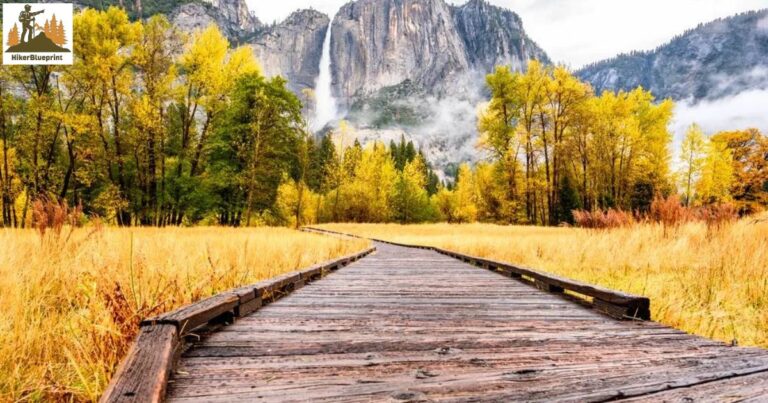
Yosemite National Park can look completely different depending on when you visit. In spring, waterfalls roar down granite cliffs. Summer opens the door to high-country hiking and scenic drives. Fall brings cooler weather and fewer visitors, while winter transforms Yosemite Valley into a peaceful landscape of snow-covered trees and frosty meadows.
So, what is the best time to visit Yosemite National Park? For many travelers, late May through early June offers a fantastic combination of flowing waterfalls, pleasant hiking weather, and access to more of the park. September is another excellent choice if you prefer comfortable temperatures and generally drier conditions. Meanwhile, April and October can be rewarding for visitors who value quieter trails and don’t mind some seasonal uncertainty.
The right time ultimately depends on what you want to experience. A waterfall enthusiast has different priorities from someone planning a backpacking trip, photographing fall colors, or exploring Yosemite with children.
This guide breaks down the seasons, typical weather, crowd patterns, road access, and best activities so you can choose dates that fit your plans.
Quick Answer: When Should You Visit Yosemite?
If you’re short on time, use this overview to narrow down your options.
| Your main priority | Best time to consider | What to expect |
|---|---|---|
| Waterfalls | April through June | Snowmelt often produces impressive waterfall flows, although timing varies each year. |
| Comfortable hiking weather | May, June, and September | Generally pleasant conditions, with weather and snow varying by elevation. |
| Fewer crowds | November through March | Quieter periods, but winter weather and road closures can limit activities. |
| High-country hiking | July through September | Many high-elevation routes become more accessible after snow melts. |
| Scenic drives | Late spring through early fall | Tioga Road and Glacier Point Road are generally seasonal. |
| Camping | Late spring through early fall | More seasonal campgrounds are available, but reservations are important. |
| Photography | Spring and fall | Waterfalls, softer light, and seasonal scenery offer different photographic opportunities. |
| Snowy winter scenery | December through February | Snow-covered landscapes are possible, especially at higher elevations, but conditions vary. |
| Visiting with young children | Late spring or early fall | Milder weather can make sightseeing and short walks more comfortable. |
These are general planning windows, not guarantees. Yosemite spans elevations from roughly 2,000 feet to more than 13,000 feet, so conditions can differ dramatically between Yosemite Valley and the high country.
Before choosing dates, check the National Park Service’s official seasonal information and visitor guidance.
What Is the Best Month to Visit Yosemite National Park?
There’s no single perfect month for every visitor. The best choice depends on your priorities, how much flexibility you have, and which parts of the park you want to explore.
April: Waterfalls Begin to Build
April brings spring weather to Yosemite Valley, with longer days, greener meadows, and increasing waterfall activity as temperatures rise and snow melts. It’s a promising month for photography and sightseeing, especially if you want to experience Yosemite before the busiest summer period.
However, spring conditions can be unpredictable. Rain, late-season snow, slippery trails, and high water levels may affect your plans. Roads and trails at higher elevations can remain closed or difficult to access.
May: A Strong Choice for Spring Scenery
May is often one of the most appealing months for a first visit. Waterfalls can be spectacular, wildflowers begin appearing at suitable elevations, and daytime temperatures are frequently comfortable for exploring Yosemite Valley.
The main limitation is access. Tioga Road and Glacier Point Road may still be closed, depending on the winter snowpack and spring weather. Popular areas can also become busy as the season progresses, especially on weekends and holidays.
June: Waterfalls and Expanding Access
June can deliver an excellent balance of waterfall scenery, longer daylight hours, and improving access to higher elevations. It’s a particularly attractive option if you want to combine Yosemite Valley sightseeing with longer hikes.
Early June and late June can feel like different seasons. Snow may still restrict high-country routes early in the month, while warmer weather and increased visitor numbers become more common as summer approaches.
July: Prime Time for High-Country Adventures
July is a strong month for visitors who want to explore Yosemite’s high country. Tioga Road is often open by this point, providing access to Tuolumne Meadows, alpine scenery, and trails that may remain inaccessible earlier in the year.
The trade-off is heavier visitation. Yosemite Valley can become crowded, parking may be difficult, and accommodations often require advance planning. Afternoon thunderstorms are also possible, particularly at higher elevations.
August: Summer Adventures and Busy Trails
August typically offers warm, relatively dry weather and good access to many high-elevation areas. It’s a practical choice for backpacking and hiking trips that depend on snow-free trails.
However, waterfalls that depend on seasonal snowmelt may have much lower flows than they did in spring. Hot afternoons can also make exposed hikes uncomfortable, and some smaller streams may run low or dry up.
September: A Great Balance of Weather and Crowds
September is one of the strongest all-around choices for many visitors. Temperatures generally begin cooling, summer crowds may ease after Labor Day, and many high-country routes remain accessible early in the month.
It’s also a good time for photography, longer hikes, and exploring different sections of the park. Keep in mind that fall weather can arrive quickly, and seasonal road closures become increasingly possible later in the season.
October: Cooler Days and a Quieter Atmosphere
October brings crisp mornings, cooler hiking conditions, and the possibility of colorful foliage in selected areas. Yosemite isn’t known for widespread brilliant fall foliage in the same way as New England, but deciduous trees can provide beautiful seasonal color.
The main consideration is changing access. Snow can cause temporary closures, and Tioga Road or Glacier Point Road may close depending on conditions. Waterfalls also tend to have less water than during the spring runoff period.
November: Peaceful Views and Early Winter Conditions
November can be a rewarding month if you prefer quieter surroundings and don’t need every seasonal road to be open. Yosemite Valley and Wawona generally remain accessible by car throughout the year, although winter conditions can affect travel.
Expect colder temperatures, possible rain or snow, and limited access to some higher elevations. If your itinerary depends on a specific road, trail, or campground, verify its status before leaving.
December Through February: Yosemite in Winter
Winter offers a very different experience. Snow may cover the trees and cliffs, mist can hang over the valley, and popular viewpoints can feel more peaceful outside holiday periods.
Yosemite Valley remains accessible in winter when conditions permit, but snow and ice can affect roads, trails, and parking. Tire chains may be required, and high-elevation roads are generally closed for the season.
Winter is a good option for travelers who enjoy cold-weather scenery and flexible itineraries. It’s less suitable if you want unrestricted access to the park’s high country.
Yosemite Weather: What to Expect in Each Season
Weather is one of the biggest factors in deciding when to visit Yosemite. The park’s elevation changes create different conditions across relatively short distances, so a comfortable day in the valley doesn’t necessarily mean comfortable weather on a mountain trail.
Spring Weather: March Through May
Spring is a transition period. Lower elevations gradually warm up, while snow can linger at higher elevations well into the season.
Yosemite Valley may experience mild, sunny days followed by rain or cold weather. Melting snow increases water flow in rivers and waterfalls, but it can also make stream crossings dangerous and some trails unsuitable for hiking.
What to pack:
- Layers that you can add or remove.
- A waterproof jacket.
- Hiking shoes with good traction.
- Warm clothing for cold mornings.
- Sun protection for clear afternoons.
If you’re planning a spring hike, check trail conditions rather than assuming a route is snow-free because the valley looks green.
Summer Weather: June Through August
Summer is generally the warmest and driest season in Yosemite. Yosemite Valley can experience temperatures above 90°F, and occasional days reach 100°F. Higher elevations are usually cooler, particularly after sunset.
The high country can still experience sudden thunderstorms. Lightning, strong winds, hail, and heavy rain are possible, so don’t assume that a sunny morning guarantees safe afternoon conditions.
Start exposed hikes early, carry enough water, and build flexibility into your plans. If you’re visiting Yosemite Valley during a heat wave, choose shorter walks or spend the hottest part of the day exploring shaded areas.
Fall Weather: September Through November
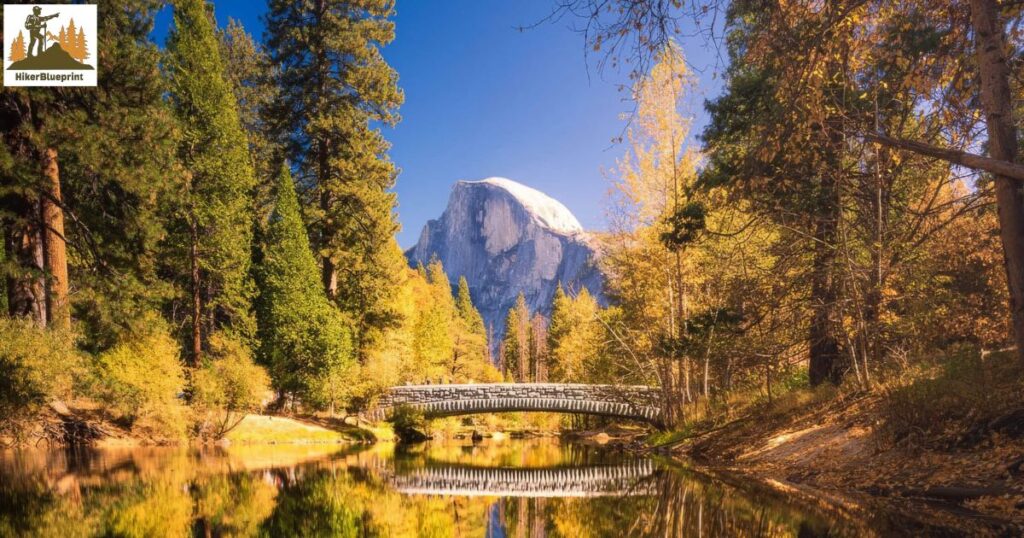
Fall temperatures gradually cool, making many lower-elevation hikes more comfortable. September often retains summer-like conditions, while October and November bring a greater chance of cold rain, snow, and sudden weather changes.
Waterfall flows generally decline as the dry season continues. Some seasonal facilities and services also close, particularly in the high country.
Bring layers even if the forecast looks warm. If your plans include Tioga Road, Glacier Point Road, or high-elevation trails, check for current closures before setting out.
Winter Weather: December Through February
Winter brings the coldest and wettest conditions to Yosemite. Precipitation frequently falls as snow, particularly at higher elevations, and accumulated snow can make trails difficult to follow.
Yosemite Valley may be rainy or snowy, depending on the storm and elevation. Higher mountain areas can experience much more severe conditions.
Winter visitors should prepare for slippery walkways, icy trails, limited daylight, and changing road conditions. Carry appropriate footwear, check whether tire chains are required, and avoid hiking routes that exceed your winter experience or equipment.
Best Time to Visit Yosemite for Waterfalls
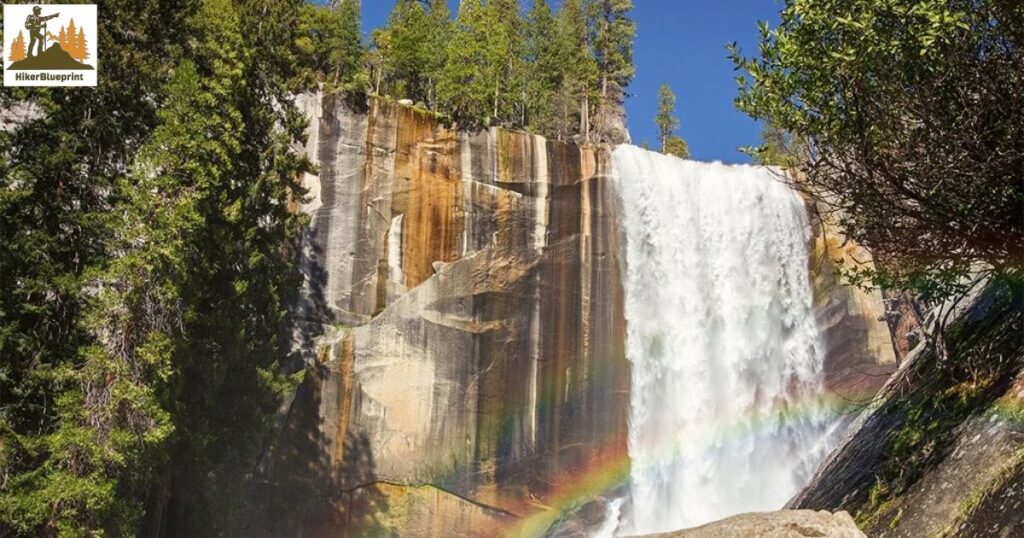
If waterfalls are at the top of your list, plan your trip around spring snowmelt.
April through June is generally the strongest window for seeing Yosemite’s famous waterfalls flowing well. The exact timing depends on winter snowfall, spring temperatures, and how quickly the snowpack melts.
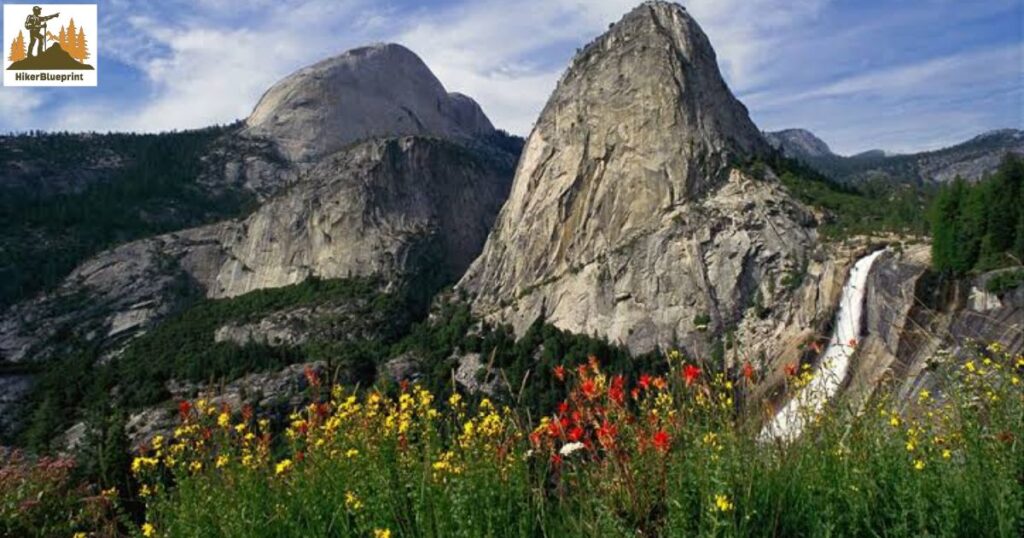
Yosemite Falls is one of the park’s signature sights, while Bridalveil Fall, Vernal Fall, and Nevada Fall offer additional opportunities to experience the power of moving water.
Why Spring Waterfalls Can Be Spectacular
As temperatures rise, melting mountain snow feeds Yosemite’s streams and rivers. Water plunges over granite cliffs, creating the dramatic displays that draw visitors to the valley.
Peak flow doesn’t occur on a fixed calendar date. A warm spring can accelerate snowmelt, while a colder spring may delay it. Drought conditions can also reduce flows.
What About Waterfalls in Summer and Fall?
Some waterfalls retain water throughout the year, but seasonal flows generally decline as summer progresses. By late summer or fall, Yosemite Falls may have little or no water, depending on the year.
You can still enjoy the park’s cliffs, forests, meadows, and mountain scenery. Just don’t plan a trip around a specific waterfall without checking its expected seasonal flow.
Planning tip: Visit waterfall viewpoints early in the day during busy periods. You’ll have a better chance of finding parking and enjoying the scenery before the busiest hours.
Best Time to Visit Yosemite for Hiking
Yosemite has hiking opportunities in every season, but the right time depends on your experience, chosen trail, and tolerance for snow or heat.
Best for Lower-Elevation Day Hikes: April Through June
Spring can be excellent for exploring lower-elevation trails, particularly when conditions are mild. Yosemite Valley and other lower areas may offer accessible routes while higher trails remain snowy.
Be cautious around waterfalls and rivers. Fast-moving water, slippery rocks, and wet trail surfaces can create serious hazards, even when the weather feels pleasant.
Best for High-Country Hiking: July Through September
If your goal is to explore alpine lakes, granite domes, and high-elevation meadows, summer is generally the most practical season. Many high-country trails become easier to access after seasonal snow melts.
Even in midsummer, check trail conditions and the weather forecast. High elevations can remain cold at night, and thunderstorms can develop quickly.
Best for Cooler Hiking Conditions: September and October
Early fall can be especially appealing for hikers who prefer cooler temperatures and fewer peak-summer visitors. You may find comfortable conditions for longer outings, especially at lower elevations.
Later in the season, however, snow and ice can return. Don’t assume a trail will remain safe simply because it was open a few weeks earlier.
Is Winter Hiking a Good Idea?
Winter hiking can be rewarding for people who have the right clothing, footwear, and experience. Some lower-elevation routes may remain accessible, while others become icy, snowy, or difficult to navigate.
If you’re new to winter hiking, stick to suitable routes and avoid exposed or high-elevation terrain when conditions are poor. Check official trail reports and turn around if the weather deteriorates.
Best Time to Visit Yosemite to Avoid Crowds
Yosemite receives visitors throughout the year, but demand is not evenly distributed.
National Park Service visitation averages for 2010 through 2024 show that roughly three-quarters of annual visitors arrived between May and October. July and August were the busiest months in those averages, while January and February were among the quietest.
Visit Between November and March for a Quieter Experience
Winter and the surrounding shoulder season generally offer fewer visitors than summer. You may have more opportunities to enjoy peaceful viewpoints, take photographs without large groups, and explore the valley at a relaxed pace.
The trade-off is reduced seasonal access. Some roads, campgrounds, and visitor services close for winter, and weather can change your plans with little notice.
Consider April, May, September, or October
These months can offer a useful middle ground between summer crowds and winter restrictions.
However, shoulder season doesn’t mean empty. Spring weekends can be busy when waterfalls are flowing strongly, and fall weekends can attract plenty of visitors seeking cooler weather.
If crowd avoidance is your priority, choose a weekday outside major holidays whenever possible.
Practical Ways to Avoid the Busiest Periods
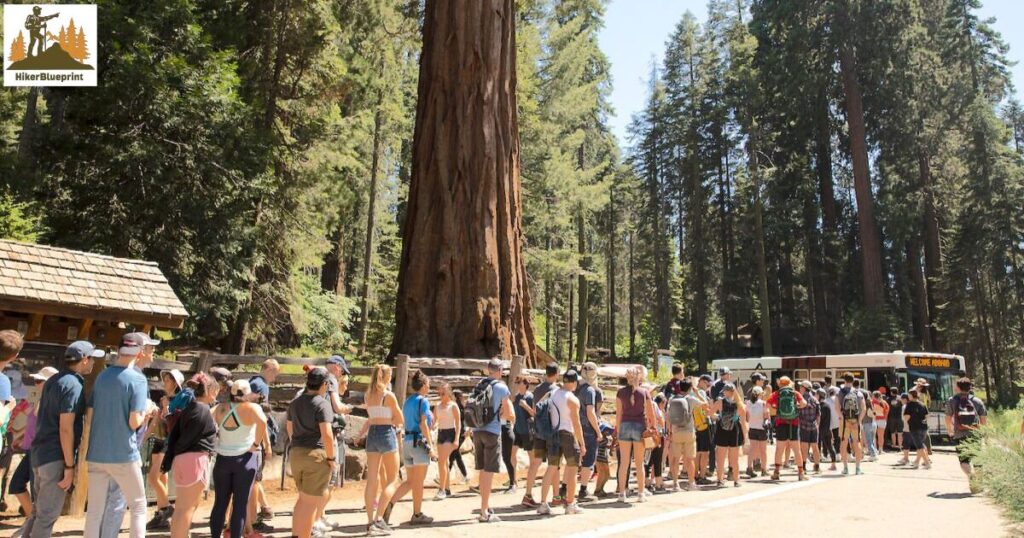
Use these strategies to make your visit smoother:
- Arrive early, especially if you plan to visit Yosemite Valley.
- Travel on weekdays when your schedule allows.
- Avoid holiday weekends if you prefer a quieter experience.
- Reserve lodging and campsites well in advance.
- Consider areas beyond Yosemite Valley, including Hetch Hetchy and Wawona, when they suit your itinerary.
- Check current traffic and parking information before driving into the park.
Yosemite can become congested even when no entrance reservation is required. Arriving early and having a backup plan can save hours of frustration.
Best Time to Visit Yosemite for Camping
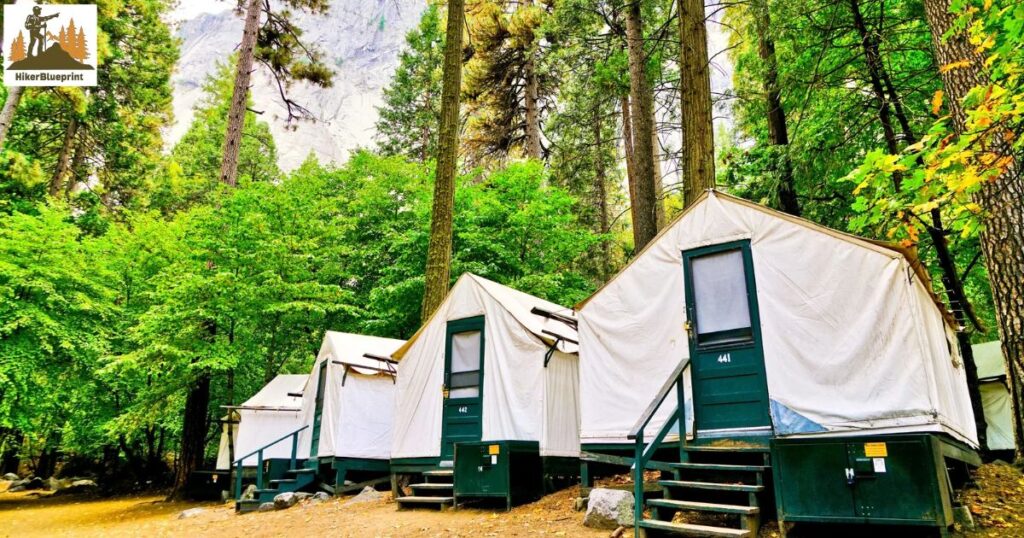
Camping is available in Yosemite during different parts of the year, but campground openings vary by location and conditions.
Spring and Summer Camping
Late spring through summer generally offers the broadest selection of seasonal camping options. As snow melts and roads reopen, more areas become accessible.
The downside is demand. Popular campgrounds can fill quickly, especially during summer and holiday periods. Check the official campground information and reservation system before finalizing your dates.
Fall Camping
Early fall can offer cooler nights and a quieter atmosphere than midsummer. It’s worth considering if you want to hike during the day and enjoy a campsite without the strongest summer heat.
As the season progresses, colder temperatures and seasonal closures become more likely. Check the campground’s operating dates and prepare for chilly nights.
Winter Camping
Winter camping is possible at designated locations when they are open, but it requires more preparation. Cold temperatures, snow, and limited facilities can make the experience challenging for inexperienced campers.
Confirm the campground’s current status, bring suitable cold-weather equipment, and follow all food-storage rules.
Important: Never assume a campground is open because Yosemite itself is open. Check the specific campground’s operating dates and reservation requirements.
Best Time to Drive Tioga Road and Glacier Point Road
Two of Yosemite’s most memorable scenic drives are seasonal. If either road is a major part of your itinerary, its opening status should influence your travel dates.
Tioga Road
Tioga Road crosses the park’s high country and provides access to places such as Tuolumne Meadows, Tenaya Lake, and other alpine destinations.
It typically closes in late fall or early winter and reopens in late spring or early summer, depending on snow and road conditions. Opening dates vary considerably from year to year.
If you want to explore Yosemite’s high country by car, July through September is generally a useful planning window, although you should verify the road’s status before traveling.
Glacier Point Road
Glacier Point Road provides access to spectacular viewpoints overlooking Yosemite Valley and surrounding granite landmarks.
It generally opens seasonally, often from late spring into fall. Snow, road maintenance, and other conditions can affect the schedule.
Check the National Park Service’s current road information before setting your itinerary around either drive.
Best Time to Visit Yosemite for Wildflowers and Fall Colors
Yosemite’s seasonal plant life adds another layer to the experience, but the timing depends on elevation, weather, and the species you’re hoping to see.
Spring and Summer Wildflowers
Wildflowers appear at different times throughout the park. Lower elevations often begin blooming in spring, while high-country meadows may display their strongest color during summer.
May through August can provide good opportunities to look for seasonal flowers, depending on the location and year. Explore responsibly, stay on designated trails where required, and avoid picking flowers.
Fall Colors
Yosemite doesn’t produce the same broad display of autumn color as some eastern US destinations because much of the park is covered in evergreen forest.
However, deciduous trees such as big-leaf maples, black oaks, and Pacific dogwoods can provide seasonal color. Mid-October can be a useful starting point for planning, but peak color varies with local conditions.
If fall foliage is important to your trip, treat the calendar as a guide rather than a guarantee.
Best Time to Visit Yosemite With Kids
For families, the best time to visit is usually when weather, road access, and activity options make the trip comfortable for everyone.
Late spring and early fall are worth considering. Both seasons can offer pleasant conditions for short walks, scenic drives, wildlife viewing from a safe distance, and time in Yosemite Valley.
Family-Friendly Spring Visits
Spring can be especially exciting for children because of the waterfalls and fresh greenery. Short walks and scenic viewpoints allow families to enjoy the landscape without committing to a long hike.
Keep children well away from fast-moving water and slippery river rocks. Waterfall areas can be dangerous even when they look calm from a distance.
Family-Friendly Summer Visits
Summer offers longer daylight hours and access to more of the park’s high country. Families can combine easy hikes with picnics, ranger programs when available, and scenic drives.
Plan around the heat and crowds. Start outdoor activities early, carry enough water, and allow time for traffic and parking.
Family-Friendly Fall and Winter Visits
Fall may offer comfortable hiking weather and a more relaxed pace. Winter can be magical for children who enjoy snow, but it requires warmer clothing and more flexibility.
Before booking, consider your children’s ages, hiking experience, and tolerance for cold or heat. A shorter visit with a few memorable stops may be more enjoyable than a packed itinerary.
When Is the Worst Time to Visit Yosemite?
There isn’t a universally bad time to visit Yosemite. However, some periods are less suitable for particular travel styles.
July and August: Not Ideal for Avoiding Crowds
If you want quiet trails and easy parking, midsummer can be frustrating. Popular areas may be congested, and accommodations can be difficult to secure without advance planning.
Summer remains a good choice for high-country hiking and access to seasonal roads, so it’s not necessarily the wrong time to visit. It simply requires more preparation.
Winter: Not Ideal for Full Park Access
Winter may not suit travelers who want to drive every scenic road or explore high-elevation trails without snow.
If you visit during winter, focus on areas that remain accessible and prepare for cold weather. Check road conditions and carry appropriate equipment.
Late Summer: Not Ideal for Peak Waterfall Flow
If your main goal is seeing Yosemite Falls at its most powerful, late summer may disappoint. Many waterfalls depend on snowmelt, so their flow typically decreases as the dry season continues.
For stronger seasonal waterfall displays, spring is usually a better choice.
Do You Need a Reservation to Visit Yosemite?
A reservation is not required to enter Yosemite National Park, according to the National Park Service. The park’s entrance fee still applies.
However, entrance reservations are different from lodging, camping, wilderness, and activity permits. You may still need advance reservations for an overnight stay or a specific activity.
For example, overnight wilderness trips require wilderness permits, and a permit is required to hike to the top of Half Dome when its cables are up.
Check the official Yosemite entrance reservation and permit information before your trip. Policies can change between seasons, so verify the rules for your actual travel dates rather than relying on older articles.
How to Plan Your Yosemite Visit
Choosing a good month is only the first step. A little preparation can make the difference between a smooth trip and spending half your day searching for parking.
1. Decide What You Most Want to See
Start with your priorities. Are you visiting for waterfalls, long hikes, giant sequoias, scenic drives, photography, or a family getaway?
Choose two or three main activities instead of trying to see every part of the park in one visit.
2. Check Seasonal Road Access
Look at the status of Tioga Road, Glacier Point Road, and any other roads you need for your itinerary. Don’t assume that a road will open on the same date it did the previous year.
3. Book Lodging and Camping Early
Popular accommodation and camping options can fill quickly during busy periods. Check official reservation information as soon as your travel dates become reasonably firm.
If you can’t find a suitable option inside the park, investigate lodging in nearby gateway communities and account for the extra driving time.
4. Review Weather and Trail Conditions
Check the forecast for the specific part of Yosemite you’ll visit. Valley weather may be very different from conditions at higher elevations.
Review official trail alerts and closures, particularly if your plans include steep trails, river crossings, or high-country routes.
5. Build Flexibility Into Your Itinerary
Keep an alternative activity in mind for each day. If a road closes or a trail becomes unsafe, you can switch plans without losing the entire day.
For example, a trip focused on high-country hiking may need a lower-elevation backup if snow persists later than expected.
6. Plan Around Traffic and Parking
Arrive early at popular locations and avoid unnecessary driving between stops. If your plans allow, consider visiting during the week.
Check the park’s traffic updates before departure. Congestion can change how much you can reasonably accomplish in a single day.
Frequently Asked Questions
What is the best month for a first visit?
May, June, and September are strong options for many first-time visitors, although the best choice depends on waterfall flow, road access, and your preferred activities.
Is Yosemite worth visiting in winter?
Yes. Winter offers beautiful scenery and quieter periods, but snow, ice, and seasonal road closures can limit access.
When are Yosemite’s waterfalls strongest?
April through June is generally the best period to consider, although the exact timing depends on snowpack and spring temperatures.
What are the quietest months?
January and February are typically among the quietest months based on historical visitation averages, excluding holiday-related fluctuations.
When is Tioga Road usually open?
Tioga Road typically opens in late May or June and closes in late fall or early winter, depending on snow and weather conditions. Always check the current status.
Do you need an entrance reservation?
No. The National Park Service states that an entrance reservation is not required in 2026. Other reservations and permits may still apply to lodging, camping, or specific activities.
How many days should you spend in Yosemite?
Two or three days can provide a useful introduction to Yosemite Valley and a few nearby attractions. A longer trip gives you more flexibility to explore different regions and take additional hikes.
Final Thoughts: Choose Your Season Carefully
The best time to visit Yosemite National Park depends on what you want from the experience. Spring is an excellent choice for waterfalls and fresh greenery, summer opens up many high-country adventures, fall brings cooler weather, and winter offers a quieter landscape when conditions cooperate.
For a balanced first visit, consider late May through early June or September. If avoiding crowds matters most, look at the quieter months and prepare for seasonal limitations.
Before you go, check the official road, trail, weather, and reservation information. Then choose a few activities that matter most to you and leave room for unexpected discoveries.
Yosemite rewards visitors who plan thoughtfully. Whether you’re watching a waterfall thunder over granite cliffs or enjoying a quiet walk through a meadow, the right trip is the one that fits your interests, timing, and comfort level.
You may also like this:
Hiking the Window Trail in Big Bend National Park: Complete Guide
Yosemite Easy Hikes With Kids: 10 Family-Friendly Trails and Stress-Free Tips

Ahmed Khubaib is a passionate hiker with over 10 years of experience in hiking, camping, and exploring trails solo and with kids.
He shares firsthand experiences, practical hiking tips, and trail guides to help adventurers explore the outdoors safely.