The Avalanche Lake Trail is one of the most rewarding day hikes in Glacier National Park, Montana. It takes you through towering old-growth forest before opening onto a beautiful alpine lake surrounded by steep mountain walls and cascading waterfalls.
Although the steady climb requires some effort, the scenery makes this hike worthwhile. Here’s what to know about the route, trail conditions, parking, and the best time to visit.
Avalanche Lake Trail: Quick Overview

| Trail Detail | Information |
|---|---|
| Location | Glacier National Park, Montana |
| Distance | 4.6 miles round trip |
| Elevation gain | 741 feet |
| Elevation loss | 275 feet |
| Difficulty | Moderate |
| Estimated time | 3–6 hours |
| Trail type | Out and back |
| Trailhead | Avalanche Picnic Area |
| Best season | Summer to early fall |
| Permit | No separate day-hiking permit |
The National Park Service lists the lake at 2.3 miles from the trailhead, with 741 feet of elevation gain. The round-trip distance is approximately 4.6 miles, although some park descriptions round it to five miles.
Where Does the Avalanche Lake Trail Start?
The trailhead sits near the Avalanche Picnic Area on the western side of Glacier National Park. To reach it, follow Going-to-the-Sun Road from the West Glacier entrance toward Lake McDonald.
Look for the signed parking area near the Trail of the Cedars. The Avalanche Lake route begins along this popular nature trail before branching toward the lake.
Parking fills quickly during summer, especially from midmorning onward. Arriving early gives you a better chance of finding a space. Don’t assume roadside parking is allowed if the lot is full.
For route planning, check the Glacier National Park Map and the National Park Service’s official Avalanche Lake Trail information.
What Is the Hike Like?
Trail of the Cedars
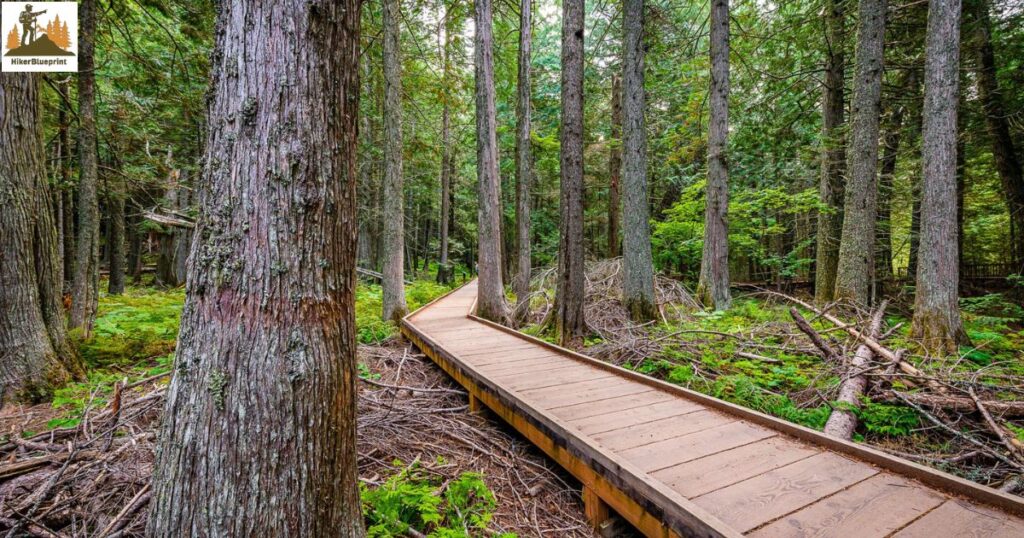
The first section follows the Trail of the Cedars, a peaceful path through a forest of towering cedar and hemlock trees. Boardwalks and paved sections make this opening stretch easier to navigate.
You’ll also pass Avalanche Creek and its striking gorge. Take time to enjoy the rushing water from designated viewpoints, and stay behind barriers near the creek.
The Climb to Avalanche Lake
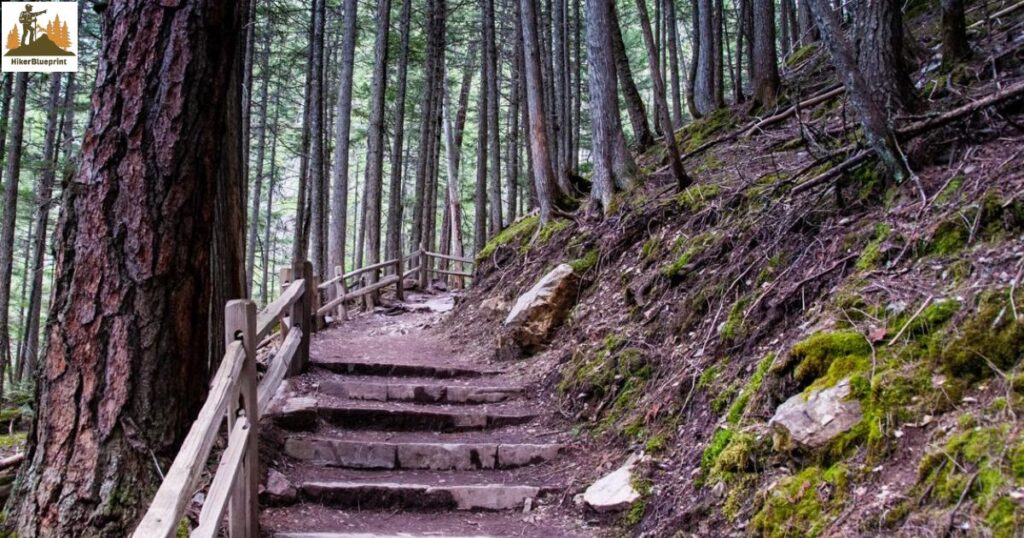
After leaving the nature trail, the route becomes steeper and more rugged. It climbs steadily through dense forest, with occasional views of the surrounding mountains.
The uphill section is manageable for hikers with reasonable fitness, but expect uneven ground and rocky patches. Take breaks when needed, particularly if you’re hiking with children.
Reaching the Lake
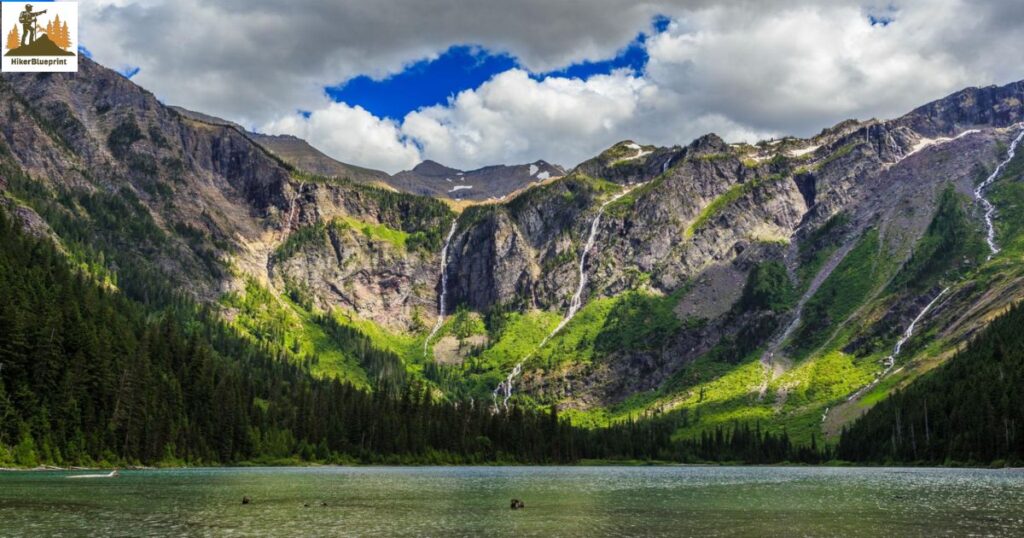
The forest eventually opens onto Avalanche Lake, where clear water sits beneath a dramatic mountain basin. Waterfalls descend from the surrounding cliffs, creating the scenery that makes this hike so memorable.
A shoreline path lets visitors explore parts of the lake’s edge. Choose a safe place to rest, enjoy the views, and keep away from unstable slopes and cold water.
Best Time to Hike Avalanche Lake Trail
July through September generally offers the most practical hiking conditions, depending on snowmelt, weather, and road access.
- Late spring: Snow and muddy sections may remain, and access can be limited.
- Summer: Usually the most reliable season, but expect heavier crowds and busy parking.
- Early fall: Cooler temperatures and changing foliage can make the hike especially appealing.
- Late fall and winter: Snow, ice, and seasonal road closures can make access difficult.
Conditions change quickly in the mountains. Before leaving, review the NPS road and trail status information.
Parking, Fees, and Access
You don’t need a separate hiking permit or trail reservation for this day hike. However, visitors must pay the applicable Glacier National Park entrance fee unless covered by a valid pass.
The standard private-vehicle entrance fee is generally $35, while other pass and admission options vary. Check the official park fees and passes page before your visit.
For 2026, the National Park Service says vehicle reservations are not required in any park area. Shuttle arrangements also change by season; Avalanche Lake and the Trail of the Cedars are not served by the park shuttle in 2026. Plan on checking current transportation information rather than assuming a shuttle will reach the trailhead.
Safety Tips and What to Bring
This route passes through bear country, and the creek and lake have potentially dangerous water conditions.
Before hiking:
- Carry bear spray where you can reach it quickly.
- Make regular noise, especially near streams and dense vegetation.
- Bring enough drinking water and snacks for the round trip.
- Wear sturdy footwear with good traction.
- Pack a rain layer and an extra warm layer.
- Stay on established paths and keep away from steep drop-offs.
- Never enter fast-moving or cold mountain water.
The NPS recommends hiking in groups when possible, making noise, and knowing how to use bear spray.
Is Avalanche Lake Trail Worth Hiking?

Yes. The combination of old-growth forest, Avalanche Creek, and a dramatic mountain lake makes this a memorable Glacier National Park hike. Its moderate distance and steady elevation gain also make it a reasonable goal for many day hikers who are comfortable walking several miles.
If you’re planning more outings, explore Glacier National Park Day Hikes and use a Glacier National Park Two-Day Itinerary to organize your time. Hikers comparing waterfall scenery can also look at St. Mary Falls and Virginia Falls Trail as a separate trail option.
Frequently Asked Questions
How long is the Avalanche Lake hike?
It’s approximately 4.6 miles round trip, starting near the Avalanche Picnic Area.
How difficult is the hike?
It’s generally considered moderate because of its steady climb, uneven terrain, and total distance.
How long does it take to reach the lake?
The one-way hike is about 2.3 miles. Allow roughly 3–6 hours for the complete outing, depending on your pace and breaks.
Do you need a permit?
No separate day-hiking permit is required. You do need valid park admission unless an applicable pass covers your visit.
Is the trail suitable for beginners?
It can suit beginners who are comfortable with a moderate uphill hike. The first section, Trail of the Cedars, is easier, but the route beyond it is steeper and less accessible.
Final Thoughts
The Avalanche Lake Trail offers a wonderful combination of forest scenery, rushing water, and mountain views without requiring a full-day expedition. Start early, prepare for changing conditions, and check the park’s road and trail updates before driving to the trailhead.

Ahmed Khubaib is a passionate hiker with over 10 years of experience in hiking, camping, and exploring trails solo and with kids.
He shares firsthand experiences, practical hiking tips, and trail guides to help adventurers explore the outdoors safely.