A Death Valley Itinerary needs a little more planning than a typical national park day trip. Death Valley covers approximately 3.4 million acres, and attractions that look close on a map can be separated by long desert drives.
If you have just one day, focus on the central sightseeing corridor. This route combines colorful badlands, the lowest point in North America, a scenic drive, and sweeping sand dunes without sending you too far into remote areas.
Key Takeaways
- Start early at Zabriskie Point for beautiful morning light and cooler temperatures.
- Visit Badwater Basin and Artists Drive during the morning.
- Use the hottest part of the day for lunch and an air-conditioned break.
- Save Mesquite Flat Sand Dunes for late afternoon or sunset.
- Check road closures before leaving because flood damage can affect access.
- Carry plenty of water and download an offline map before entering the park.
Your One-Day Death Valley Itinerary at a Glance
This schedule works best when you’re staying near Furnace Creek or Stovepipe Wells. Adjust the times to match sunrise, sunset, weather, and your starting location.
| Time | Stop | Suggested time |
|---|---|---|
| Sunrise | Zabriskie Point | 30–45 minutes |
| 8:00 a.m. | Furnace Creek Visitor Center | 20–30 minutes |
| 9:00 a.m. | Badwater Basin | 30–45 minutes |
| 10:15 a.m. | Artists Drive and Artists Palette | 45–60 minutes |
| Midday | Lunch and rest | 1–2 hours |
| Late afternoon | Mesquite Flat Sand Dunes | 45–60 minutes |
| Evening | Dinner or stargazing | Optional |
Allow additional time for driving, photography, restroom stops, and unexpected delays. Visit National Park Service official page for first time visit guidance.
Morning: Explore Death Valley’s Most Famous Landscapes
1. Watch Sunrise at Zabriskie Point
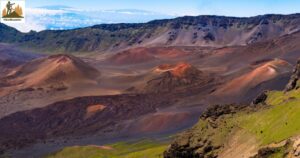
Start your Death Valley Itinerary at Zabriskie Point, one of the park’s most recognizable viewpoints. The overlook faces a dramatic landscape of golden badlands, eroded hills, and distant mountains.
The parking area is close to the viewpoint, although the paved path climbs uphill. You don’t need to complete a long hike to enjoy the scenery.
Time needed: 30–45 minutes
Difficulty: Easy, with a short uphill walk
Best for: Sunrise photography and panoramic views
Arrive before sunrise if you want to see the changing colors across the badlands. Bring a light jacket during winter mornings.
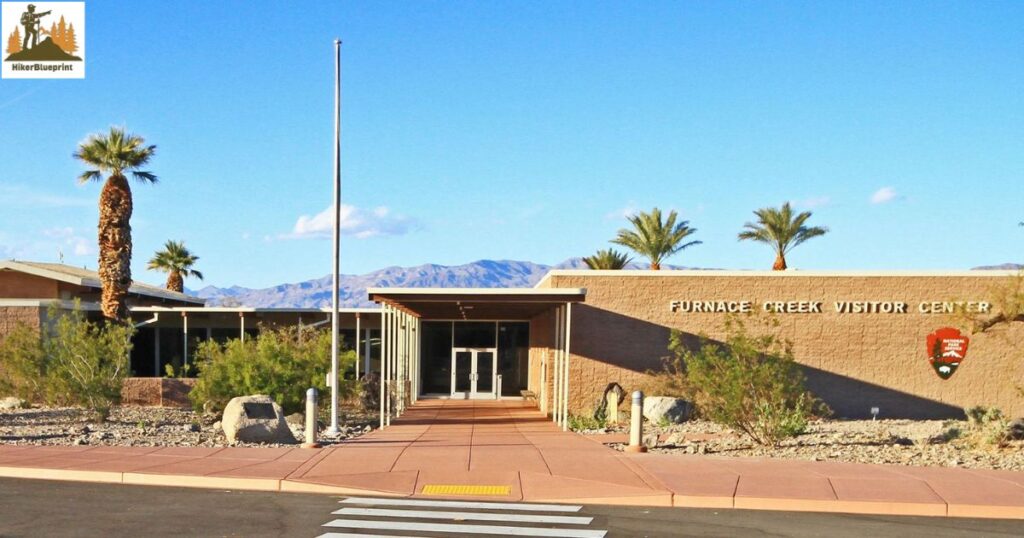
2. Stop at Furnace Creek Visitor Center
After sunrise, drive to the Furnace Creek Visitor Center. It’s a convenient place to collect information before continuing south.
You can:
- Check current road and weather conditions.
- Pick up a park map.
- Speak with a ranger about closures.
- Refill supplies where services are available.
- Learn about the park’s geology and history.
The visitor center generally operates from 8 a.m. to 5 p.m. Confirm its hours before your visit.
3. Visit Badwater Basin
Continue south along Badwater Road to Badwater Basin, the lowest point in North America at 282 feet below sea level.

A boardwalk provides access to the edge of the salt flats. If temperatures are comfortable, walk farther onto the salt surface to see the distinctive polygon-shaped salt formations.
Time needed: 30–45 minutes for a short visit
Difficulty: Easy near the boardwalk; salt-flat walking can be uneven
Best for: Unique desert scenery and photography
Avoid walking far across the salt flats during extreme heat. The surface offers little shade, and conditions can become dangerous quickly.
4. Drive Artists Drive and Visit Artists Palette
Head north again and take Artists Drive, a nine-mile, one-way scenic loop through colorful desert hills.
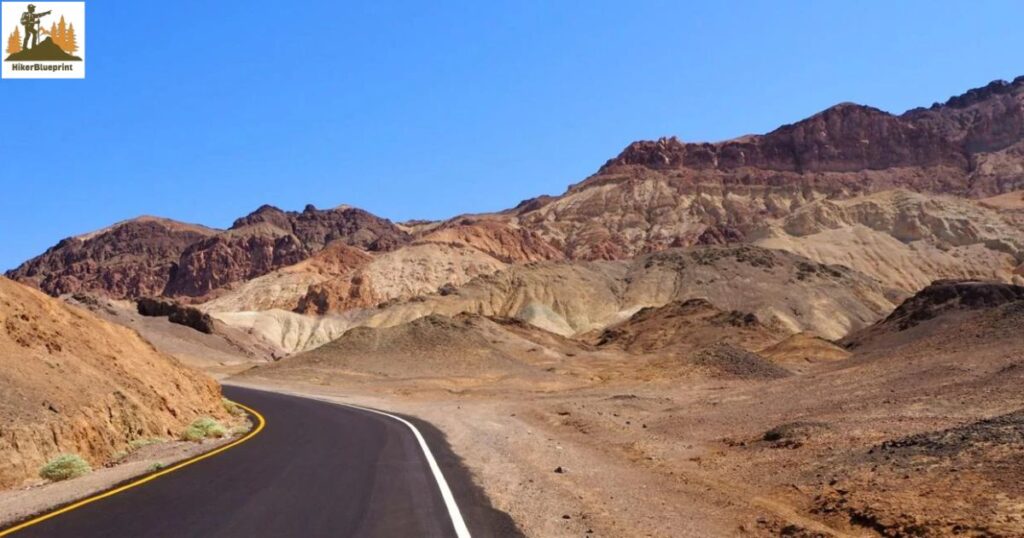
The main highlight is Artist’s Palette, where mineral deposits create striking shades of pink, green, yellow, and purple. You can enjoy the scenery from the road and designated stopping areas.
Time needed: 45–60 minutes
Difficulty: Easy sightseeing drive
Vehicle: Standard passenger cars can use the paved route, subject to current conditions.
Artists Drive is narrow and winding, so larger vehicles may not be suitable. Check posted restrictions before entering.
Midday: Take a Break From the Desert Heat
By lunchtime, slow down rather than squeezing another major attraction into the schedule. Even during cooler seasons, the valley can warm up quickly under direct sunlight.
Stop near Furnace Creek or Stovepipe Wells for food and a rest. Use an air-conditioned facility when available, refill water supplies, and check the weather before continuing.
If you’re planning a more active Death Valley Itinerary, remember that a long hike during the hottest part of the day can turn an enjoyable visit into a dangerous one.
Afternoon: Explore Mesquite Flat Sand Dunes
5. Visit Mesquite Flat Sand Dunes
Head toward Stovepipe Wells and visit Mesquite Flat Sand Dunes in the late afternoon.
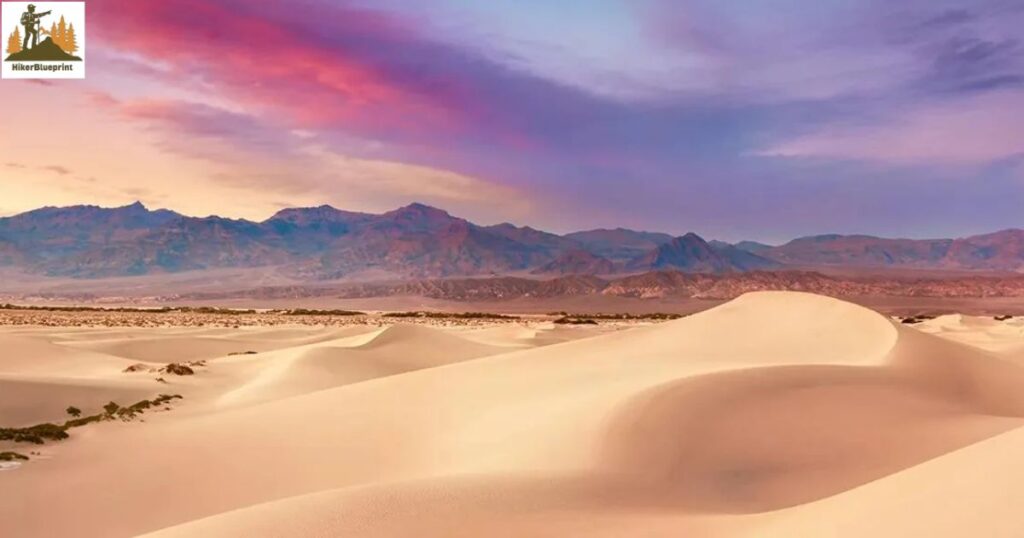
The dunes are easy to reach from the parking area, and you can choose how far to walk. The landscape changes as wind reshapes the sand, creating ripples and curved ridgelines.
Time needed: 45–60 minutes
Difficulty: Easy near the entrance; walking farther into the dunes is strenuous
Best for: Sunset photography, desert scenery, and relaxed exploration
Walking on soft sand takes more effort than walking on a paved trail. Wear suitable footwear and carry water, even if you plan to stay close to the parking area.
Stay long enough to enjoy the changing light, but leave before darkness makes navigation difficult.
What Should You Skip on a One-Day Visit?
Death Valley has far more attractions than you can comfortably fit into one day. Trying to visit every famous location often means spending most of your trip driving.
Save these places for a longer visit:
| Attraction | Why save it for another day? |
|---|---|
| Dante’s View | Requires a separate drive and time for the viewpoint. |
| Ubehebe Crater | Located in the northern part of the park, away from the central route. |
| Mosaic Canyon | A hike that needs additional time and suitable conditions. |
| Golden Canyon | Worth exploring on a dedicated hiking morning. |
| The Racetrack | Requires a long, rough backcountry drive and an appropriate vehicle. |
Some destinations may also be inaccessible because of road damage. Scotty’s Castle and Bonnie Clare Road remain closed, while Titus Canyon Road is closed for repairs. Darwin Falls Road is also closed to vehicles, with reopening not expected until at least summer 2027.
Check the official road-status information before planning any detours.
Best Time of Year for This One-Day Route
October through April is generally the most comfortable period for exploring the valley floor. Spring is popular, while winter offers cooler days and beautiful low-angle sunlight.
Summer requires extra caution. Temperatures can exceed 110°F, and the valley floor can become dangerously hot. Avoid strenuous daytime hiking and follow NPS heat-safety guidance.
For a winter visit, check the Death Valley Winter Hiking Plan for advice on cooler temperatures and higher-elevation conditions.
Entrance Fees, Driving, and Parking
Death Valley National Park is open year-round, 24 hours a day. Individual facilities and roads may have different operating schedules or temporary closures.
| Planning detail | What to know |
|---|---|
| Private vehicle entrance fee | $30 for a seven-day pass; verify current fees before visiting |
| Reservations | No general park-entry reservation is normally required |
| Parking | Designated lots and pullouts at major attractions |
| Cell service | Unreliable across much of the park |
| Fuel | Limited services, so refuel when convenient |
| Navigation | Download offline maps before arrival |
A standard passenger car is suitable for this central sightseeing route when roads are open. You don’t need 4WD for Zabriskie Point, Badwater Basin, Artists Drive, or Mesquite Flat Sand Dunes.
For current information, consult the Death Valley National Park Map Guide and the National Park Service conditions page before departure.
What to Pack for One Day in Death Valley
A little preparation makes the day more comfortable and safer.
- Water: Carry plenty for every person. The NPS recommends at least one gallon per person per day in cooler conditions, with more needed in heat.
- Sun protection: Bring sunscreen, sunglasses, and a wide-brimmed hat.
- Food: Pack snacks and a meal in case services are unavailable.
- Footwear: Wear comfortable shoes suitable for salt flats and soft sand.
- Navigation: Save offline maps and keep a paper map as backup.
- Clothing: Bring layers during winter because morning and afternoon temperatures can differ considerably.
- Vehicle preparation: Start with a full tank and check tire condition.
Don’t depend on cell service for navigation. Weather, road damage, and service interruptions can affect your plans.
Frequently Asked Questions
Can you visit Death Valley in one day from Las Vegas?
Yes. The drive is roughly two hours each way, depending on your starting point and route. Leave early and expect a long day.
Do you need a 4WD vehicle for this itinerary?
No. The main stops in this route are reached by paved roads when open. A standard passenger vehicle is sufficient.
Is Death Valley suitable for first-time visitors?
Yes. The central sightseeing corridor includes accessible viewpoints, scenic drives, and short walks. Extreme heat is the main concern.
Can you visit Badwater Basin and Zabriskie Point on the same day?
Yes. They’re both part of the central sightseeing area and fit comfortably into a well-planned day.
What if a road is closed during my visit?
Check the latest NPS road-status map and choose an accessible alternative. Never drive around barriers or enter closed roads.
Final Thoughts
A good Death Valley Itinerary is about choosing a few memorable stops rather than racing across the entire park. Zabriskie Point, Badwater Basin, Artists Drive, and Mesquite Flat Sand Dunes offer an excellent introduction.
Start early, take a proper midday break, and check road conditions before leaving. If you have another day, explore the park’s longer hikes and more remote viewpoints at a comfortable pace.

Ahmed Khubaib is a passionate hiker with over 10 years of experience in hiking, camping, and exploring trails solo and with kids.
He shares firsthand experiences, practical hiking tips, and trail guides to help adventurers explore the outdoors safely.