One day in Hawaiʻi Volcanoes National Park can be a memorable introduction to the Big Island’s volcanic landscapes. With an early start and a sensible route, you can explore rainforest, walk through an ancient lava tube, see Kīlauea’s summit, and drive across vast lava fields toward the coast.
The best Hawaii Volcanoes Itinerary balances short stops with one worthwhile hike. You won’t see every corner of this enormous park in a day, but you can experience its most distinctive landscapes without spending the entire visit behind the wheel.
Key Takeaways
- Start early, especially if you want to visit Nāhuku before its small parking area fills.
- Visit the summit overlooks and Steam Vents before spending several hours on a trail.
- Allow 2–3 hours for the full Kīlauea Iki loop.
- Save the afternoon for the 18.8-mile Chain of Craters Road drive.
- Bring water, rain protection, sturdy shoes, and a warm layer for changing elevations.
- Check current eruption information, construction updates, and closures before leaving.
Hawaii Volcanoes Itinerary at a Glance
This schedule works best for visitors staying in Volcano Village or Hilo. Travelers coming from Kona should allow considerably more driving time.
| Time | Stop | Suggested time |
|---|---|---|
| 8:00 a.m. | Nāhuku (Thurston Lava Tube) | 30–60 minutes |
| 9:00 a.m. | Temporary Welcome Center at Kīlauea Military Camp | 20–30 minutes |
| 9:30 a.m. | Steam Vents and summit overlooks | 45–60 minutes |
| 10:45 a.m. | Kīlauea Iki Trail | 2–3 hours |
| 1:45 p.m. | Lunch and rest | 30–45 minutes |
| 2:30 p.m. | Chain of Craters Road | 2–3 hours or longer |
Times are planning estimates, not fixed opening appointments. Adjust the schedule around current road access, parking, weather, and your hiking pace.
Before Starting Your Hawaii Volcanoes Itinerary
A little preparation makes a big difference here. The park covers a large area, and its roads connect attractions that are not all within walking distance.
Getting to the Park
The main entrance is on Highway 11 on the southeastern side of Hawaiʻi Island.
- From Hilo: About 30 miles and 45 minutes by car.
- From Kailua-Kona: About 95 miles and 2–2.5 hours by car.
- From Volcano Village: A short drive to the park entrance.
There is no shuttle service within the park, so having a rental car makes this route much easier. If you’re staying in Kona, consider leaving before sunrise. A round trip can add four to five hours of driving to your day.
Before setting out, review the Hawaii Volcanoes National Park Map guide to understand the park’s main roads, summit viewpoints, hiking areas, and coastal attractions. It will help you plan your stops and avoid unnecessary backtracking.
Entrance Fees and Visitor Center
Current standard entrance fees are:
- Private vehicle: $30
- Motorcycle: $25
- Pedestrian or cyclist: $15 per person
The park is cashless, so bring a credit or debit card. Children under 16 entering on foot or by bicycle do not need an individual entrance pass. An eligible America the Beautiful pass can also cover the entrance fee.
The Kīlauea Visitor Center is undergoing renovation. The temporary Welcome Center is at Kīlauea Military Camp, with posted daily hours of 9 a.m. to 4:45 p.m. Check the latest construction notice before your visit.
Morning: Explore Nāhuku and Kīlauea’s Summit
Walk Through Nāhuku (Thurston Lava Tube)
Start with Nāhuku, also known as the Thurston Lava Tube. This cave formed roughly 500 years ago when flowing lava cooled around an empty channel.
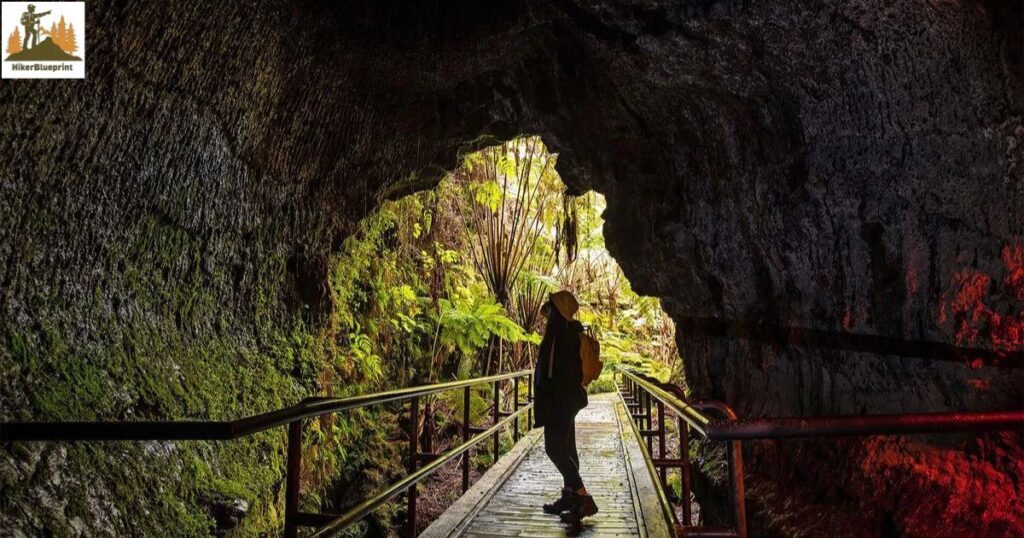
The rainforest approach is part of the experience. Inside, you can walk through a dark volcanic tunnel with a paved path and low lighting. Watch your head because some sections have low ceilings.
The National Park Service lists a 1.5-mile round-trip walk from Kīlauea Iki Overlook, taking approximately 30–90 minutes. The direct parking-area visit is shorter, but parking beside the tube is extremely limited.
- Difficulty: Moderate for the longer approach
- Time: 30–90 minutes, depending on route
- Lighting: The tube is lit from 8 a.m. to 8 p.m.
- Reservations: Not required
For more details, see the Thurston Lava Tube Trail guide. Arriving early gives you a better chance of finding parking.
Stop at the Temporary Welcome Center
Next, head to the temporary Welcome Center at Kīlauea Military Camp. It is a useful place to ask rangers about current volcanic activity, road access, trail closures, and air quality.
Pick up a park map and confirm which overlooks are open. This quick stop can prevent wasted driving later in the day.
Visit Steam Vents and the Summit Overlooks
Continue toward the accessible sections of Crater Rim Drive. Steam Vents is a worthwhile short stop where rainwater heated beneath the ground escapes as vapor.
Then visit whichever summit overlooks are open, such as Kīlauea Overlook or Uēkahuna. These viewpoints offer different perspectives across the volcanic landscape and Halemaʻumaʻu Crater.
The Crater Rim Trail connects several summit-area destinations, but don’t assume the entire route is open. Sections can close because of volcanic hazards, construction, or unstable ground.
Kīlauea’s eruption is episodic, so visible lava isn’t guaranteed. The USGS reported that episode 57 ended on November 23, 2026, and the eruption was paused in its November 23 update. Check the latest report rather than planning your visit around a predicted fountain.
Late Morning: Hike the Kīlauea Iki Trail
If you have the time and energy, make the Kīlauea Iki Trail your main hike. It descends through rainforest before reaching the hardened lava lake inside Kīlauea Iki Crater.
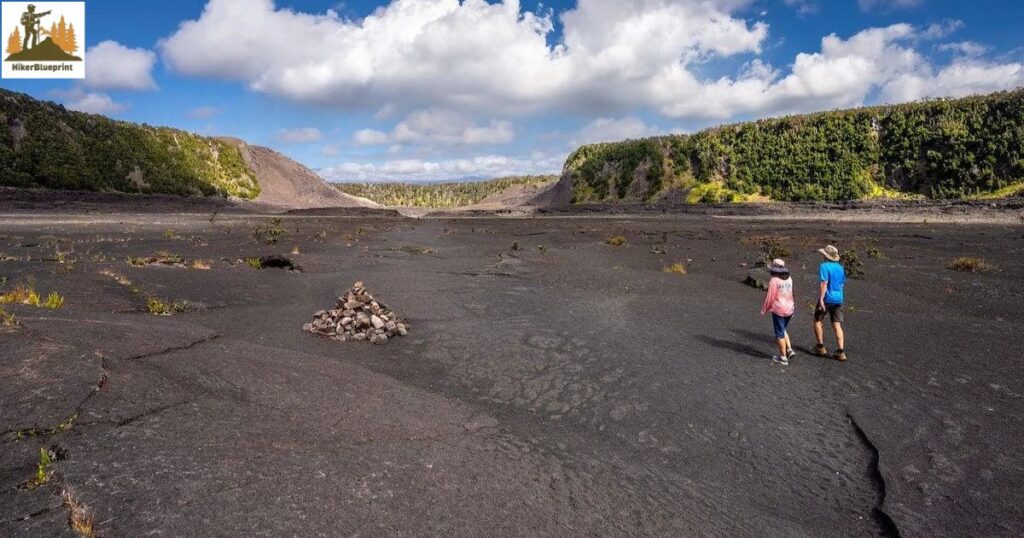
The contrast is remarkable: one part of the route feels like a tropical forest, while the crater floor looks like a broad field of dark volcanic rock.
| Trail detail | Information |
|---|---|
| Distance | 3.3-mile loop from Kīlauea Iki Overlook |
| Elevation change | About 400 feet descent and ascent |
| Difficulty | Moderate to challenging |
| Estimated time | 2–3 hours |
| Terrain | Rainforest paths, steps, and uneven lava rock |
| Reservations | Not required |
The trail is not a flat stroll. The descent and climb back up can be tiring, and conditions may be wet or windy. Carry water, wear sturdy footwear, and stay on the marked route.
If you’re short on time or prefer an easier day, skip the full loop and enjoy an accessible viewpoint instead. You can find more options in Best Hikes in Hawaii.
Afternoon: Drive Chain of Craters Road
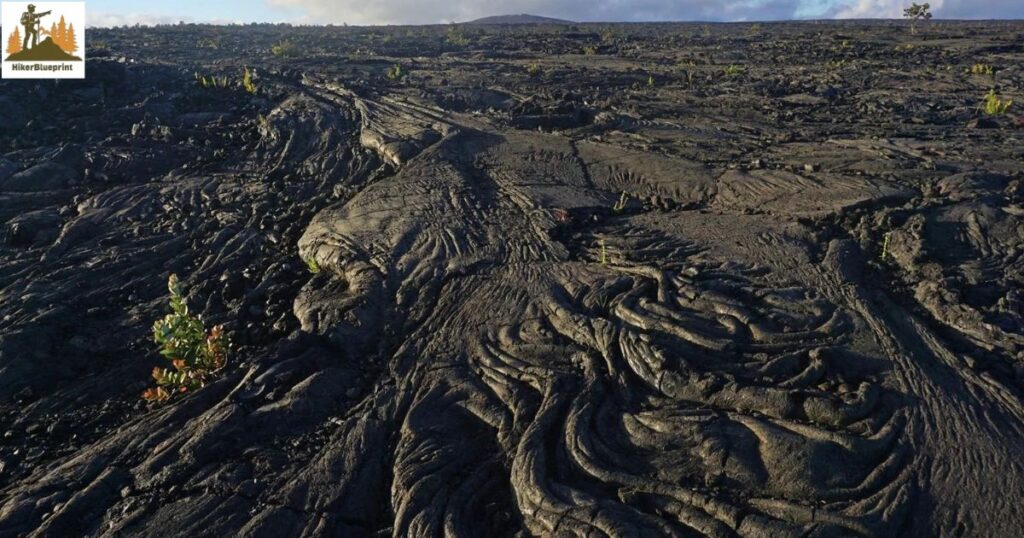
After lunch, give the afternoon to Chain of Craters Road. This scenic drive descends from the Kīlauea summit toward the coast, passing old lava flows, volcanic formations, and wide-open landscapes.
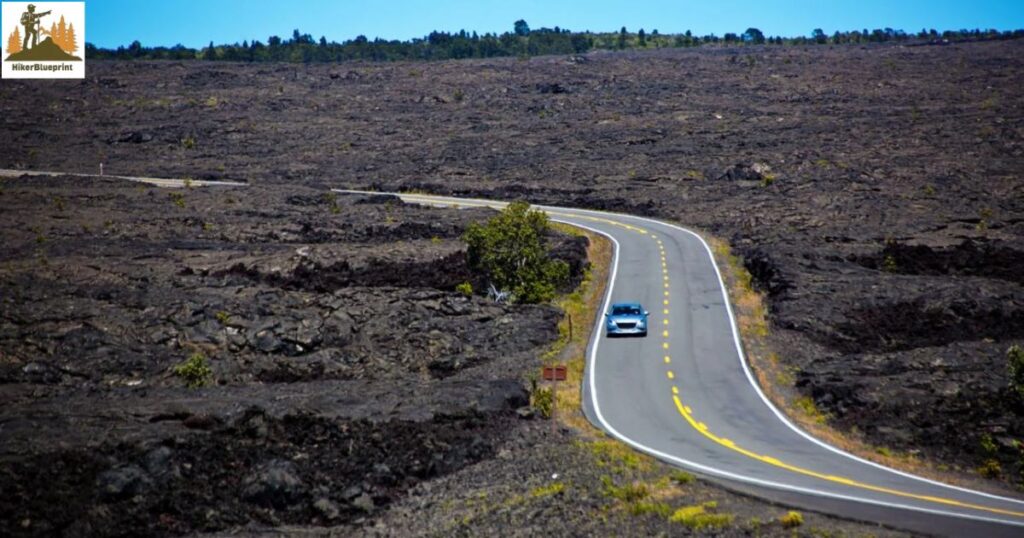
The National Park Service lists the road at approximately 18.8 miles (30.3 km) to its end. Allow extra time for pullouts and short walks. There is no food, drinking water, or fuel available along the road, although vault toilets are available at designated locations.
Consider these stops if they are open and you have enough time:
- Maunaulu: A chance to see lava landscapes shaped by past eruptions.
- Kealakomo Overlook: A broad view across the coastal lava plain.
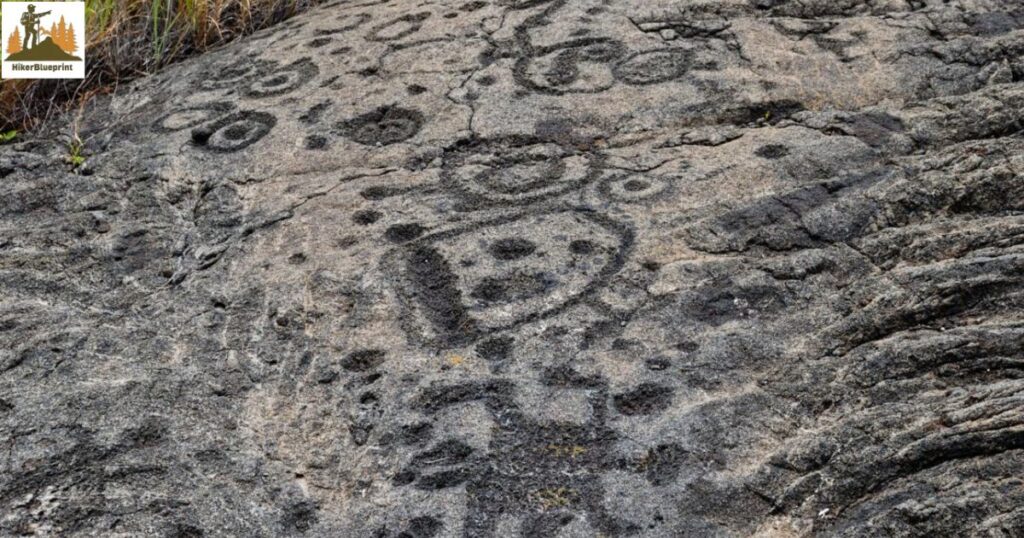
- Puʻuloa Petroglyphs: A meaningful cultural stop with an approximately 1.4-mile round-trip walk to the petroglyph field.
Puʻuloa is a culturally significant place. Stay on the marked path and do not touch or disturb the carvings.
An Important Update About Hōlei Sea Arch
Older travel guides often recommend finishing the drive at Hōlei Sea Arch. However, the 90-foot formation collapsed into the Pacific Ocean in September 2026.
Do not follow old directions toward the former viewing area or approach the unstable cliff edge. Respect all closures and use only designated safe areas along the coast. The coastal scenery remains worth experiencing, even though the famous arch is gone.
Weather, Safety, and What to Pack
The summit sits around 4,000 feet above sea level, while the coastal end of Chain of Craters Road is near sea level. Temperatures and conditions can change noticeably during the drive.
Pack these essentials:
- Sturdy hiking shoes with good traction
- Drinking water and snacks or a packed lunch
- Rain jacket and a warm layer
- Sunscreen, sunglasses, and a hat
- Offline park map or downloaded navigation information
- Flashlight or headlamp if visiting Nāhuku outside its lighting hours
Volcanic gases, including sulfur dioxide, can affect air quality. Visitors with respiratory or heart conditions should pay particular attention to official air-quality alerts. Stay away from closed trails, unstable cliffs, cracks, and restricted volcanic areas.
Common Mistakes to Avoid
A rushed day in Hawaii Volcanoes can turn into more driving than exploring. Keep these points in mind:
- Starting late: Popular parking areas can fill by mid-morning.
- Trying every hike: The full Kīlauea Iki loop takes 2–3 hours by itself.
- Underestimating the coastal drive: Allow time for stops and the return journey.
- Expecting to see active lava: Eruptions pause, and viewing access can change.
- Following old directions: Hōlei Sea Arch has collapsed, and other access details may have changed.
Frequently Asked Questions
Is one day enough to visit Hawaiʻi Volcanoes National Park?
Yes. One day is enough to experience several major highlights, including summit viewpoints, Nāhuku, a hike, and the coastal road. Longer stays allow more time for remote areas and additional trails.
Can I see flowing lava during my visit to Hawaii Volcanoes?
Possibly, but there is no guarantee. Check the latest USGS eruption update and park viewing guidance before driving to the summit.
Is the Kīlauea Iki hike suitable for beginners?
It can suit reasonably fit beginners who are comfortable with uneven terrain and a 400-foot descent and climb. Choose a viewpoint instead if that sounds too demanding.
Do I need a reservation to enter the Hawaii Volcanoes park?
A standard entrance pass is required, but a general timed-entry reservation is not normally required. Check official park information before traveling.
Can I visit from Kona in one day?
Yes, but it makes for a long day because the drive takes about 2–2.5 hours each way. Start very early and consider shortening the park route.
Final Thoughts
A well-paced Hawaii Volcanoes Itinerary gives you a taste of the island’s rainforest, volcanic summit, hardened lava, and rugged coastline. Prioritize Nāhuku, the open summit viewpoints, and one main hike before exploring Chain of Craters Road.
Check the latest park alerts and USGS updates before setting out. If you have another day, consider the Haleakala National Park itinerary for your next national park trip.

Ahmed Khubaib is a passionate hiker with over 10 years of experience in hiking, camping, and exploring trails solo and with kids.
He shares firsthand experiences, practical hiking tips, and trail guides to help adventurers explore the outdoors safely.