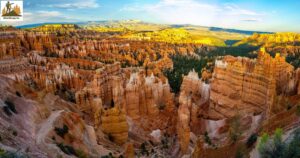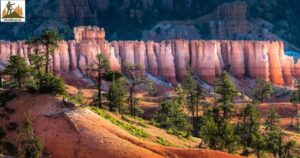
Zion National Park is one of those destinations that can make even a short vacation feel extraordinary. Towering sandstone cliffs, narrow canyons, winding scenic roads, and beautiful hiking trails create an experience unlike most other national parks in the United States.
However, your first visit can become stressful without a little preparation. Parking fills early, shuttle schedules influence your hiking plans, and summer temperatures can make even relatively short trails challenging.
These Zion Travel Tips will help you plan a smoother visit, choose the right hiking trails, understand park transportation, and avoid common mistakes. Whether you’re visiting for one day or planning a longer Utah road trip, a little preparation can make a considerable difference.
Zion National Park at a Glance: Essential Information Before You Visit
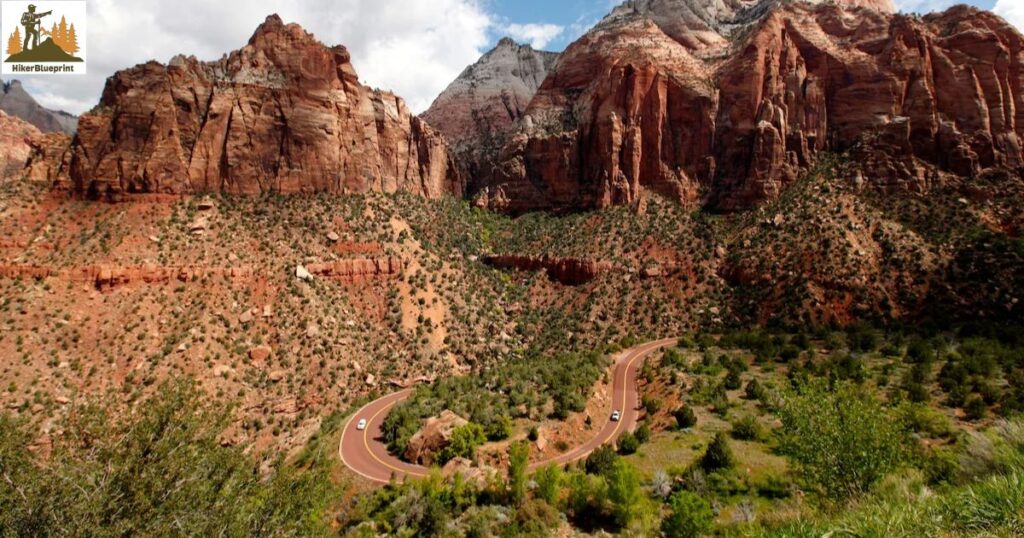
Before choosing your hikes and accommodation, understand how the park is organized. Zion covers a much larger area than most first-time visitors realize, and its different sections offer very different experiences.
The most popular area is Zion Canyon, where you’ll find the famous sandstone formations, the Virgin River, Emerald Pools, Angels Landing, and the entrance to The Narrows. However, the park also includes Kolob Canyons, the eastern section, and Kolob Terrace.
Here is a quick overview to help you organize your trip.
| Travel Information | Details |
|---|---|
| Location | Southwestern Utah, United States |
| Nearest town | Springdale, Utah |
| Nearest major airport | Harry Reid International Airport, Las Vegas |
| Other airport | St. George Regional Airport |
| Best overall visiting seasons | Spring and fall |
| Summer temperatures | Frequently exceed 100°F |
| Winter conditions | Generally mild, with possible snow and ice |
| Park operating schedule | Open year-round, 24 hours |
| Standard vehicle entrance fee | $35 |
| Motorcycle entrance fee | $30 |
| Individual entrance fee | $20 |
| Park shuttle | Free when operating |
| General entrance reservation | Not required |
| Angels Landing permit | Required |
| Main river | Virgin River |
Fees and operating arrangements can change. Confirm the latest information through the official Zion National Park planning and visitor information.
How much time should you spend in Zion?
The amount of time you need depends on your interests and physical ability.
A single day is enough to experience some major viewpoints and complete one or two shorter hikes. However, you’ll have limited flexibility if parking, shuttle queues, or weather conditions affect your schedule.
For a more relaxed experience, consider these options:
- One day: Visit the main canyon, walk Riverside Walk, and choose one additional trail.
- Two days: Explore the main canyon, hike Emerald Pools or Watchman, and visit the eastern section.
- Three days: Add a more challenging hike, explore scenic drives, and spend time outside the busiest canyon corridor.
- Four days: Combine Zion with Bryce Canyon National Park for a broader southern Utah adventure.
If you have limited time, our suggested Zion in One Day itinerary would be a useful internal article to connect here.
For travelers with more flexibility, a dedicated 2-Day Zion Itinerary makes it easier to distribute hiking activities without rushing.
Choose the Best Time to Visit Zion National Park
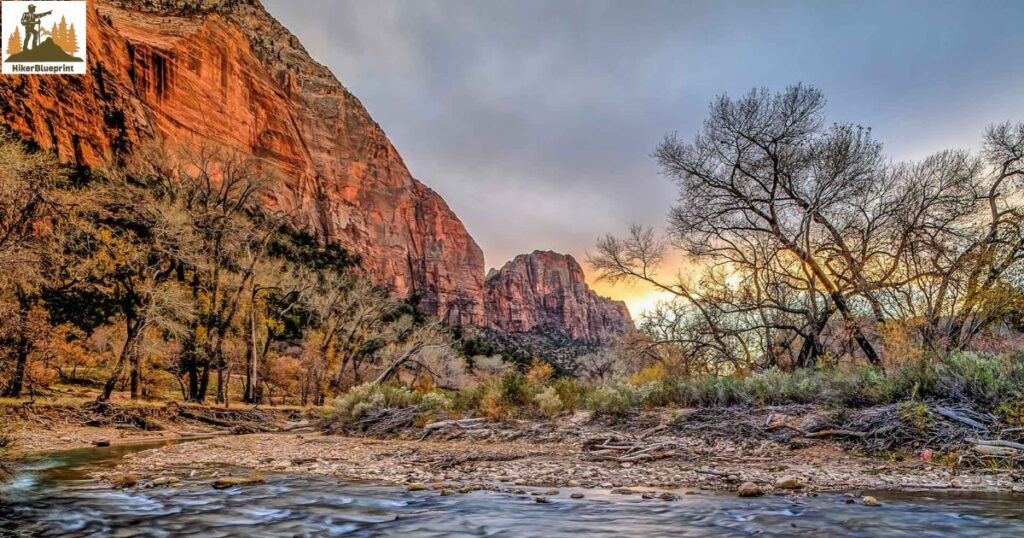
One of the most important Zion Travel Tips is choosing your travel dates carefully. The park remains open throughout the year, but the experience changes considerably between seasons.
Spring and fall generally provide comfortable hiking temperatures. Summer brings long daylight hours but also intense heat and heavy visitation. Winter offers quieter trails, although snow and ice can affect higher elevations and shaded paths.
Zion seasonal comparison
| Season | Weather | Crowds | Main Planning Priority |
|---|---|---|---|
| Spring | Mild to cool | High | River conditions and shuttle planning |
| Summer | Very hot | Very high | Early starts and heat protection |
| Fall | Mild to cool | High | Weekday visits and advance lodging |
| Winter | Cold mornings, mild afternoons | Lower | Layers, ice precautions, and shuttle schedule |
My recommendation: April, May, September, and October are strong choices for visitors seeking a balance between comfortable hiking weather and longer outdoor days. However, no month guarantees good weather or fewer crowds.
Understand Zion’s Shuttle System Before Arriving
Transportation is one of the most important things to understand when planning a first visit.
Zion Canyon has a relatively concentrated road network. During shuttle season, personal vehicles cannot drive along the Zion Canyon Scenic Drive, which serves many of the park’s most popular trailheads.
Instead, visitors use the park shuttle.
How does the Zion shuttle work?
The National Park Service operates two main shuttle routes:
- Zion Canyon Line: Connects the visitor center with important destinations inside Zion Canyon.
- Springdale Line: Connects locations throughout Springdale with the pedestrian entrance to the park.
The Zion Canyon Line serves nine locations, including the visitor center, Zion Lodge, and Temple of Sinawava.
The shuttle is free, and you don’t need a separate reservation or ticket to ride.
During normal operations, buses generally arrive every five to ten minutes on the canyon route. However, actual schedules and operating periods vary.
A complete trip between the visitor center and Temple of Sinawava takes approximately 45 minutes one way.
You can review the official Zion Canyon shuttle schedule and route information before traveling.
What happens when the shuttle isn’t operating?
During periods when the shuttle system is suspended, private vehicles may generally access the Zion Canyon Scenic Drive.
However, this doesn’t mean parking will always be available.
Shuttle operations are seasonal, and schedules can change. Check the park’s current transportation announcements rather than relying on last year’s timetable.
How to make shuttle transportation easier
A few simple decisions can save considerable time.
- Arrive early enough to secure parking near the visitor center.
- Download the shuttle map before entering the canyon.
- Identify the shuttle stop closest to your planned hike.
- Allow extra time for queues during busy periods.
- Check the final departure from Temple of Sinawava.
- Avoid planning a demanding hike that finishes close to the final shuttle.
One of the most overlooked Zion Travel Tips is remembering that your hike doesn’t end when you reach the trailhead. You still need to return to your vehicle or accommodation.
Arrive Early and Understand Your Parking Options

Parking is another challenge that can influence your entire day.
The main visitor center parking area is popular because it provides access to the canyon shuttle. During busy periods, available spaces can disappear early in the morning.
Arriving around sunrise is a sensible strategy, particularly during spring, summer, and fall weekends.
Where can you park?
You generally have three practical options.
Zion National Park Visitor Center
This is convenient for visitors planning to use the canyon shuttle.
Parking is available inside the park, subject to capacity. The earlier you arrive, the better your chances of finding a space.
Springdale
Springdale offers additional public and privately operated parking facilities.
Some parking areas charge fees, and prices and restrictions vary. Read posted signs carefully.
Once parked, you can use the Springdale shuttle when operating or walk toward the pedestrian entrance.
ther park sections
Kolob Canyons and the eastern areas have their own parking facilities.
These locations can be useful alternatives for visitors exploring different parts of Zion, although individual trailhead parking areas may be limited.
The National Park Service provides additional information through its official traffic and parking guidance.
Parking mistakes to avoid
Don’t assume you can find parking whenever you arrive.
Avoid parking on vegetation, blocking shuttle stops, or leaving your vehicle outside designated areas. Illegal parking can result in citations or towing.
Another important consideration is your accommodation. Staying in Springdale can make transportation considerably easier, especially if you’re planning several days of hiking.
Choose the Right Zion Hiking Trails for Your Fitness Level
Zion’s hiking opportunities range from accessible paved paths to exposed mountain ridges and challenging river hikes.
You don’t need to complete the most difficult trail to enjoy the park. Some of its most memorable scenery is accessible through relatively short walks.
The following trails are worth considering when planning your first visit.
Best Zion hiking trails compared
| Hiking Trail | Round-Trip Distance | Elevation Gain/Change | Difficulty | Approximate Time |
|---|---|---|---|---|
| Pa’rus Trail | 3.5 miles | Minimal overall | Easy | 1–2 hours |
| Riverside Walk | 2.2 miles | Approximately 57 ft change | Easy | 1–2 hours |
| Lower Emerald Pools | 1.2 miles | Approximately 130 ft | Easy to moderate | 1–2 hours |
| Watchman Trail | 3.3 miles | 368 ft | Moderate | 2 hours |
| Canyon Overlook | 1 mile | 163 ft | Moderate | 1 hour |
| Scout Lookout | Approximately 4.5 miles | Approximately 1,000 ft | Strenuous | 3–4 hours |
| Angels Landing | 5.4 miles | 1,488 ft | Strenuous | Around 4 hours |
Distances and elevation figures are approximate. Routes, trail conditions, and starting points can affect the actual measurements and completion times.
Understand Zion’s Entrance Fees, Permits, and Reservations
One advantage of visiting Zion is that general park entry is relatively straightforward.
You don’t need an advance reservation or timed-entry ticket to enter the park.
However, certain activities require permits, and camping requires reservations.
Zion National Park entrance fees
The standard entrance fees listed by the National Park Service include:
| Entry Type | Fee |
|---|---|
| Private vehicle | $35 |
| Motorcycle | $30 |
| Individual pedestrian or cyclist aged 16+ | $20 |
| Children aged 15 and younger | Free |
Standard vehicle and individual passes are generally valid for seven consecutive days.
An America the Beautiful annual pass may provide a more economical option if you’re visiting multiple federal recreation sites.
There is also a separate nonresident fee structure for some international visitors in 2026. Check the official fee page to determine which charges apply to your circumstances.
Do you need a reservation to visit Zion?
No general entrance reservation is required.
You can enter the park by paying the applicable entrance fee or presenting a valid pass.
You also don’t need a reservation to use the shuttle.
However, individual activities have their own requirements.
| Activity | Reservation or Permit |
|---|---|
| General park entry | No |
| Zion Canyon shuttle | No |
| Riverside Walk | No |
| Pa’rus Trail | No |
| Watchman Trail | No |
| Standard bottom-up Narrows day hike | No |
| Angels Landing beyond Scout Lookout | Yes |
| Wilderness backpacking | Yes |
| Certain canyoneering activities | Yes |
| Campgrounds | Advance reservations recommended and required for reservable sites |
Plan Your Drive to Zion and Understand the Tunnel Restrictions
Driving to Zion is relatively straightforward, especially if you’re exploring southern Utah as part of a road trip.
Springdale is the most convenient base for the main canyon.
However, your route depends on where you’re traveling from.
Driving distances to Zion
| Starting Location | Approximate Driving Distance | Approximate Driving Time |
|---|---|---|
| Las Vegas, Nevada | 160 miles | 2.5–3 hours |
| St. George, Utah | 42 miles | 45–55 minutes |
| Bryce Canyon National Park | 85 miles | 1.5–2 hours |
| Salt Lake City, Utah | 310 miles | 4.5–5 hours |
| Grand Canyon South Rim | 250 miles | 4–5 hours |
Actual travel times depend on traffic, road conditions, construction, and your route.
Important: New large-vehicle restrictions
One detail that deserves special attention in 2026 concerns the Zion-Mount Carmel Highway.
Beginning June 7, 2026, Zion introduced restrictions on larger vehicles traveling between Canyon Junction and the park’s East Entrance.
Vehicles exceeding any of the following limits cannot use this highway section:
- Length: 35 feet, 9 inches.
- Width: 7 feet, 10 inches.
- Height: 11 feet, 4 inches.
- Weight: 50,000 pounds.
Additional restrictions apply to vehicles towing trailers.
These restrictions cover the highway section, not merely the tunnel itself.
If you’re driving an RV, towing a trailer, or using an oversized vehicle, measure your vehicle before planning an eastern Zion driving route.
Check the National Park Service large-vehicle restrictions for complete details and alternative routes.
Is the Zion-Mount Carmel Tunnel worth driving through?
Absolutely, if your vehicle is permitted.
The highway offers a scenic driving experience, with impressive sandstone formations, dramatic cliffs, and access to the park’s eastern landscapes.
However, allow additional time for traffic, road restrictions, and stops at designated viewpoints.
Don’t assume that every scenic pullout will have available parking.
Where to Stay When Visiting Zion National Park
Choosing accommodation can influence how much time you spend exploring rather than commuting.
For first-time visitors, Springdale is generally the most convenient base.
However, other nearby communities may offer more affordable accommodation or different lodging options.
Springdale: Best for convenience
Springdale sits immediately outside Zion’s south entrance.
It offers hotels, restaurants, grocery stores, visitor services, and access to the town shuttle during its operating season.
Staying here makes it easier to leave your vehicle parked and use alternative transportation to reach the main canyon.
The main disadvantage is accommodation pricing, particularly during spring and fall.
La Verkin and Hurricane: Best for budget flexibility
These communities are farther from the main entrance but may offer more accommodation choices.
They’re worth considering if you’re traveling by car and don’t mind a longer daily drive.
They can also be practical bases for exploring other southern Utah destinations.
Camping inside Zion
Zion offers established campgrounds, including Watchman Campground and South Campground when operating.
Watchman Campground is particularly convenient for visitors exploring Zion Canyon.
Facilities, availability, and reservation arrangements vary by campground.
Don’t assume that you can arrive without a reservation during busy months.
Check the National Park Service camping information and the official reservation system before planning an overnight stay.
Important Safety Advice for Your First Zion Visit
Zion’s landscapes are beautiful, but the environment deserves respect.
Some of the park’s most serious hazards are not immediately obvious to inexperienced visitors.
Flash floods can happen quickly
Flash flooding is among the most important dangers in Zion.
Narrow canyons and drainage areas can collect water from storms occurring miles away.
You might experience clear skies above your location while heavy rain falls elsewhere in the drainage basin.
Never enter a narrow canyon when storms or flash flood warnings are possible.
If you notice rising water, increasing current, or changing water color, move to higher ground immediately if a safe route is available.
Take summer heat seriously
Hot weather can make even moderate hikes challenging.
Heat exhaustion and dehydration can develop when visitors underestimate temperatures or carry insufficient water.
Start early, take breaks, and avoid strenuous hikes during the hottest hours.
The National Park Service recommends approximately one gallon of water per person per day, adjusted for individual needs and conditions.
Don’t drink directly from the Virgin River
Zion has issued warnings about toxic cyanobacteria in its waterways.
Avoid drinking untreated river water, submerging your head, or allowing water to enter your mouth.
Use potable water from designated sources.
Keep a safe distance from wildlife
Zion provides habitat for numerous animals, including mule deer, bighorn sheep, and various bird species.
Observe wildlife from a safe distance.
Never feed animals or attempt to approach them for photographs.
Don’t underestimate exposed trails
Angels Landing and several other routes include exposed sections.
Stay on designated paths, follow posted instructions, and avoid approaching cliff edges for photographs.
If a trail feels beyond your comfort level, turning around is a sensible decision.
Frequently Asked Questions – Zion Travel Tips
How many days are enough for Zion National Park?
Two to three days provide a good introduction to the park, allowing time for popular hikes, scenic drives, and viewpoints.
What is the best month to visit Zion?
April, May, September, and October are popular choices because temperatures are generally more comfortable for hiking.
Do I need a reservation to enter Zion?
No. General park entry does not require an advance reservation or timed-entry ticket, although entrance fees apply.
Is Zion suitable for beginner hikers?
Yes. Riverside Walk, Pa’rus Trail, and Lower Emerald Pools offer options for visitors with different fitness levels.
Can I hike Angels Landing without a permit?
You can hike to Scout Lookout without a permit, but everyone continuing onto the Angels Landing chain section needs one.
Is The Narrows open throughout the year?
No. River flow, flash flood warnings, weather, and other safety conditions can lead to closures.
Can I visit Zion without using the shuttle?
Yes, depending on the season and access arrangements. However, during shuttle operations, private vehicles cannot drive along the Zion Canyon Scenic Drive.
Conclusion: Make Your First Zion Travel Count
Zion National Park doesn’t require an elaborate travel plan, but it does reward thoughtful preparation. Choose your season carefully, understand the shuttle system, arrive early, and select hikes that match your fitness level. Most importantly, respect changing weather and river conditions.
Use these Zion Travel Tips as your starting point, check the latest National Park Service announcements before departure, and leave enough time to enjoy the landscapes rather than rushing between attractions. A well-planned first visit can make Zion one of the most memorable stops on your next Utah adventure.
You may also like this:
Half Dome Permits: 2027 Lottery Dates, Odds, and a Step-by-Step Application Guide
Glacier NATIONAL PARK Day Hikes: 12 Beautiful Trails Without Going-to-the-Sun Road Stress

Ahmed Khubaib is a passionate hiker with over 10 years of experience in hiking, camping, and exploring trails solo and with kids.
He shares firsthand experiences, practical hiking tips, and trail guides to help adventurers explore the outdoors safely.