Yosemite National Park is home to some of the most memorable hiking trails in the United States. From powerful waterfalls and peaceful lakes to dramatic mountain ridges, its trails offer something for beginners and experienced hikers alike. Choosing the right route, however, depends on your fitness level, available time, and the season of your visit.
This guide to the Best Hikes Yosemite has five standout routes, covering a range of distances and difficulty levels. Each offers a different way to experience Yosemite’s scenery, whether you want a short walk beside the water or a demanding climb to a spectacular viewpoint.
Key Takeaways
- Vernal and Nevada Falls: A rewarding waterfall hike with steep sections and impressive views.
- Half Dome: A demanding full-day adventure requiring a permit for the cable section when it is open.
- Upper Yosemite Falls: A strenuous climb with outstanding views of Yosemite Valley.
- Clouds Rest: A long mountain hike with panoramic views of the Sierra Nevada.
- Mirror Lake: A gentler option for visitors looking for a shorter walk.
- Trail access changes with the seasons, so check the official Yosemite trail conditions before leaving.
Best Hikes Yosemite: Quick Comparison
| Hike | Distance | Elevation Gain | Difficulty | Approximate Time |
|---|---|---|---|---|
| Vernal and Nevada Falls | About 5 miles to Nevada Fall and back via Mist Trail | 2,000 feet | Moderate to strenuous | 4–5 hours |
| Half Dome | 16.2 miles round trip | 4,830 feet | Very strenuous | 10–14 hours |
| Upper Yosemite Falls | 7.2 miles round trip | 2,700 feet | Strenuous | 6–8 hours |
| Clouds Rest | About 14 miles round trip from Sunrise Lakes Trailhead | 2,300 feet | Strenuous | 6–8 hours |
| Mirror Lake | 2 miles to the lake and back, or about 5 miles for the loop | 100–200 feet | Easy to moderate | 1–3 hours |
Distances and times are approximate. Your actual experience will depend on your starting point, pace, trail conditions, and chosen route.
Vernal and Nevada Falls via the Mist Trail
Distance: About 5 miles round trip to Nevada Fall and back via the Mist Trail
Elevation gain: Approximately 2,000 feet
Difficulty: Moderate to strenuous
Time: 4–5 hours
Trailhead: Happy Isles, Yosemite Valley
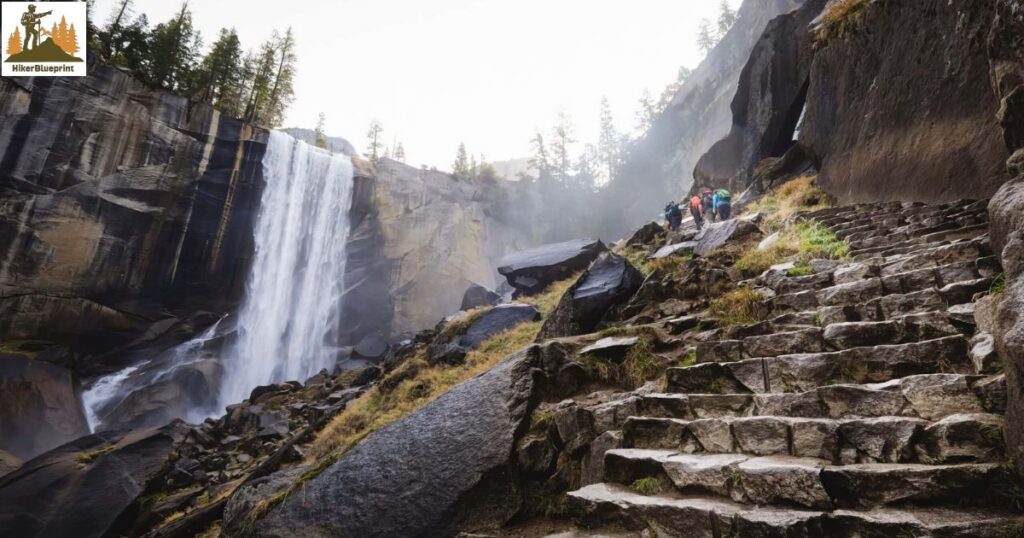
The Mist Trail is one of the most popular choices among the Best Hikes Yosemite because it takes hikers close to two of the park’s most impressive waterfalls. The route climbs alongside the Merced River, passing Vernal Fall before continuing toward the larger Nevada Fall.
The first major destination is the Vernal Fall Footbridge. From here, hikers can continue up the steep stone steps beside the waterfall. During spring and early summer, the spray can soak the trail, making waterproof clothing and shoes with good grip useful.
Beyond Vernal Fall, the path continues toward Nevada Fall. The climb is demanding, but the views of the waterfall, surrounding cliffs, and forest make the effort worthwhile.
What Makes This Hike Special?
- Close-up views of Vernal Fall and Nevada Fall.
- Dramatic granite scenery along the Merced River.
- A challenging climb with rewarding viewpoints.
- Opportunities to shorten the hike by turning around at the footbridge or the top of Vernal Fall.
The full route to Nevada Fall is a substantial workout. If you want a shorter outing, the footbridge is a practical turnaround point. The NPS Vernal and Nevada Falls trail guide provides route information and details about trail restrictions.
Best Time to Hike
Late spring and early summer usually offer the strongest waterfall flows, although the trail can be wet and slippery. Later in summer, water flow may decrease, but conditions can be easier underfoot. Always check for closures and maintenance restrictions before starting.
Half Dome via the John Muir Trail
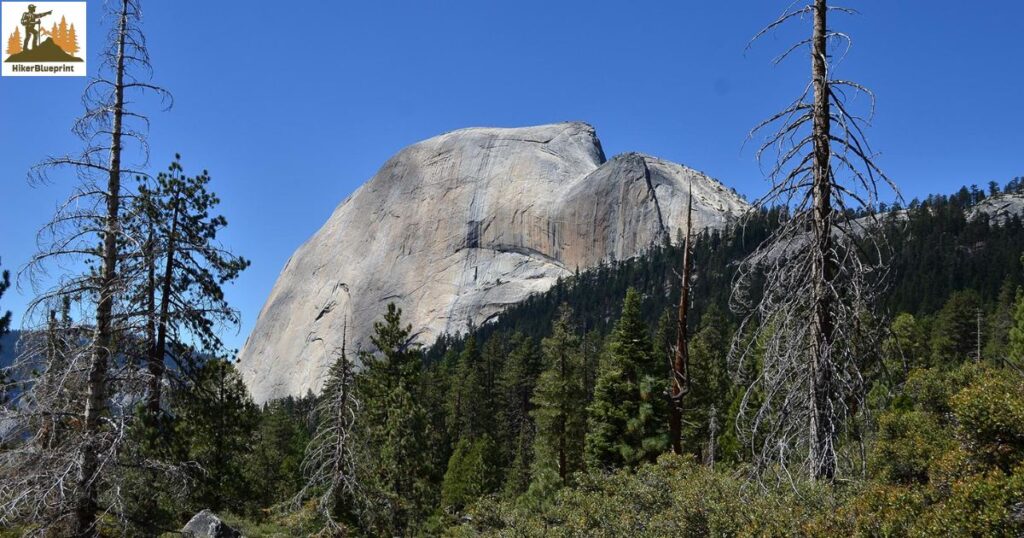
Distance: Approximately 16.2 miles round trip
Elevation gain: Approximately 4,830 feet
Difficulty: Very strenuous
Time: 10–14 hours
Trailhead: Happy Isles, Yosemite Valley
Half Dome is one of Yosemite’s most recognizable landmarks and one of the most challenging day hikes in the park. It is a serious undertaking that requires physical preparation, an early start, and careful attention to weather conditions.
The route begins near Happy Isles and climbs through the Yosemite Valley trail network. Hikers pass the Vernal and Nevada Falls area before continuing toward Little Yosemite Valley and the final ascent.
The most famous section is the steep granite slope near the summit, where metal cables help hikers climb the final section when they are installed and officially open. This part of the hike is exposed and can be dangerous, particularly in wet or stormy weather.
What Makes This Hike Special?
- A demanding route to one of Yosemite’s most famous landmarks.
- Sweeping views across Yosemite Valley and the surrounding mountains.
- A memorable summit experience for well-prepared hikers.
- A challenging combination of distance, elevation, and exposed terrain.
Half Dome is not a suitable choice for an inexperienced hiker or anyone uncomfortable with steep exposed climbs. A permit is required to climb the cable section when the cables are up. Day-hiking permits are limited, and hikers should understand the rules before planning their trip.
Read the official Half Dome permit requirements before making plans.
Best Time to Hike
The cable season generally runs from late spring into fall, depending on weather and trail conditions. The cables are taken down outside the operating season. Do not attempt the cable route when they are down. Check current conditions and permit requirements before your visit.
For more planning information, see Half Dome Permits and the Yosemite Reservation.
Upper Yosemite Falls Trail
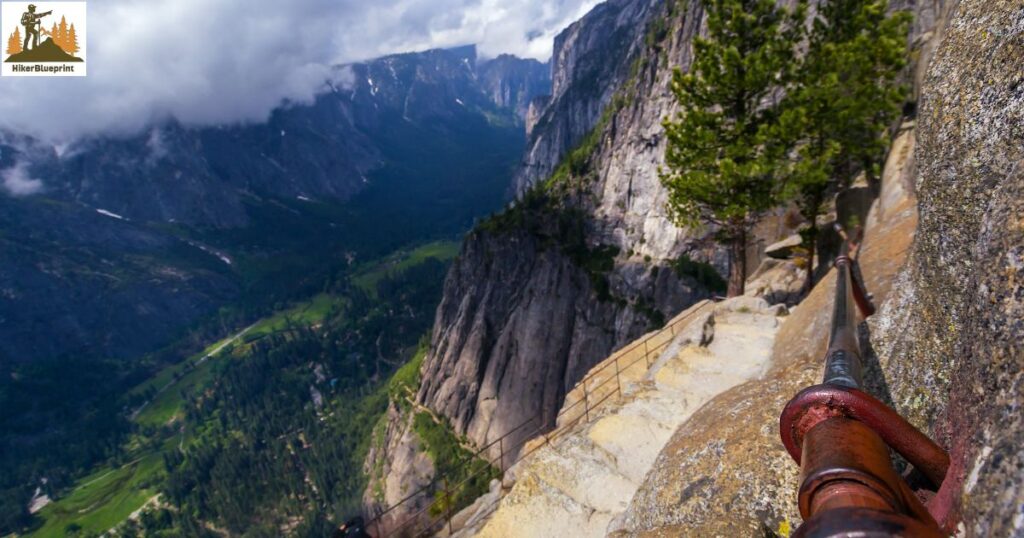
Distance: Approximately 7.2 miles round trip
Elevation gain: Approximately 2,700 feet
Difficulty: Strenuous
Time: 6–8 hours
Trailhead: Near Camp 4, Yosemite Valley
The Upper Yosemite Falls Trail is a classic Yosemite climb. It takes hikers high above the valley floor, offering close views of Yosemite Falls and broad perspectives of the surrounding granite landscape.
The trail begins near Camp 4 and climbs steadily through a series of switchbacks. The lower section is already demanding, but the effort brings increasingly impressive views of the valley. Columbia Rock, reached after roughly a mile of climbing, is a popular viewpoint and a reasonable turnaround option for hikers who do not want to complete the full route.
Those continuing toward the top face a longer and steeper climb. Near the upper waterfall, the trail reaches viewpoints overlooking the valley and the dramatic drop of Yosemite Falls.
What Makes This Hike Special?
- Views of one of North America’s tallest waterfalls.
- A scenic overlook at Columbia Rock.
- Excellent views across Yosemite Valley.
- A challenging uphill route for experienced day hikers.
The full trail is steep and exposed in places. Carry enough water, wear sturdy footwear, and allow plenty of time for the descent. The rocks near the waterfall can also be slippery.
Best Time to Hike
Spring and early summer are generally the best periods for seeing Yosemite Falls at strong flow. In late summer and fall, the waterfall may have much less water. Snow and ice can make the upper trail hazardous during colder months.
Check the NPS Yosemite Falls Trail guide for current route information before hiking.
Among the Best Hikes Yosemite, this route is particularly rewarding for hikers who want a demanding climb without needing a wilderness permit.
Clouds Rest Trail
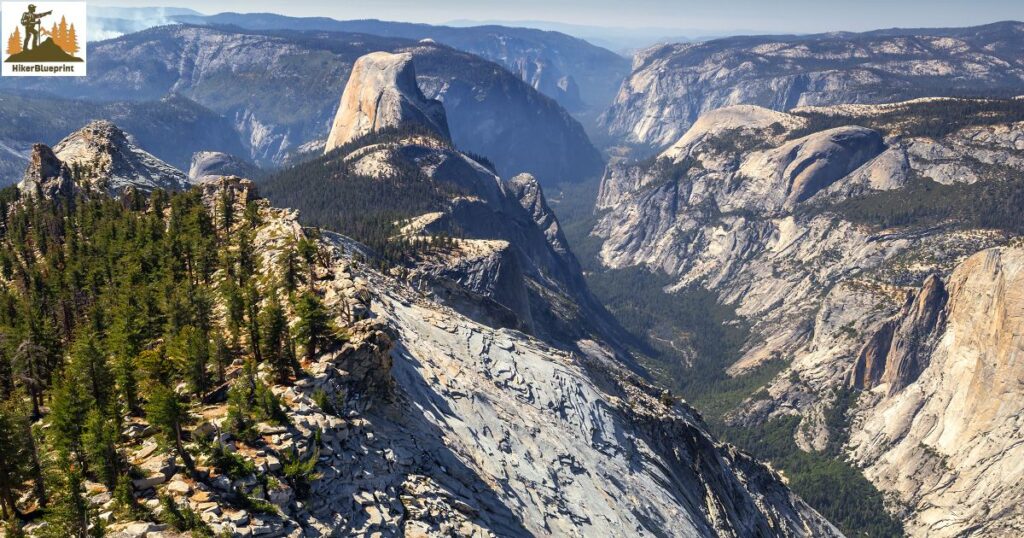
Distance: Approximately 14 miles round trip
Elevation gain: Approximately 2,300 feet
Difficulty: Strenuous
Time: Around 6–8 hours
Trailhead: Sunrise Lakes Trailhead, off Tioga Road
Clouds Rest offers one of the most impressive mountain viewpoints in Yosemite. The trail approaches the summit through forests and alpine terrain before reaching an exposed ridge with expansive views of the surrounding Sierra Nevada.
Starting from the Sunrise Lakes Trailhead, hikers follow a route that passes through the high country. The gradual changes in scenery make this hike especially enjoyable for people who want more than a valley-floor walk.
The final approach to the summit becomes narrower and more exposed. From the top, the views stretch across Yosemite’s rugged landscape, with Half Dome clearly visible from a different perspective.
What Makes This Hike Special?
- Panoramic views of Half Dome and the surrounding mountains.
- A quieter high-country experience than many Valley trails.
- Forest, alpine terrain, and dramatic summit scenery.
- A rewarding destination for experienced hikers.
Clouds Rest is a long day hike, so start early and bring sufficient food and water. The exposed summit ridge may be uncomfortable for people who dislike heights. Weather can also change quickly at higher elevations.
Best Time to Hike
Summer and early fall are generally the most practical seasons, when Tioga Road is open and snow has cleared from the route. Access depends on seasonal road conditions. If Tioga Road is closed, the Sunrise Lakes Trailhead may not be accessible by vehicle.
Clouds Rest deserves its place among the Best Hikes Yosemite for hikers seeking a high-elevation route and sweeping mountain views. Check the park’s current road and trail information before travelling.
Mirror Lake Loop
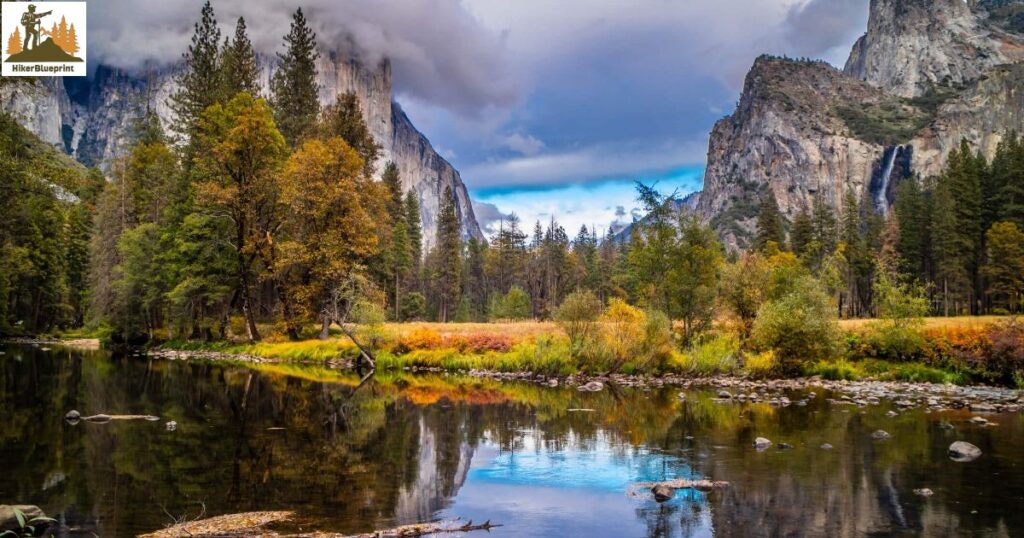
Distance: About 2 miles round trip to Mirror Lake, or approximately 5 miles for the full loop
Elevation gain: Around 100 feet to the lake, or 200 feet for the loop
Difficulty: Easy to moderate
Time: About 1 hour to the lake, or 2–3 hours for the loop
Trailhead: Mirror Lake area, Yosemite Valley
Mirror Lake is a good option for visitors who want beautiful scenery without a strenuous climb. The route follows a relatively gentle path through the valley, leading to a seasonal lake surrounded by granite formations and forest.
The shorter walk to the lake is suitable for many visitors, including families who are comfortable walking a couple of miles. Those with more time can continue along the longer loop beside Tenaya Creek.
The lake’s appearance changes throughout the year. During periods of higher water, it can reflect nearby cliffs and trees. As the season progresses, the water level may fall, and the area can become more like a meadow.
What Makes This Hike Special?
- A relatively easy route compared with Yosemite’s major climbs.
- Views of surrounding granite formations.
- A peaceful setting for photography and a relaxed walk.
- A practical option for families and visitors with limited time.
The trail is a good introduction to Yosemite hiking, but visitors should still carry water and stay on established paths. The route can be icy during colder months.
Best Time to Hike
Spring is often a good time to see more water at Mirror Lake. Summer and early fall offer easier access, although the lake may become smaller or dry out. Check seasonal conditions before visiting.
The NPS Mirror Lake trail information explains the short route and longer loop options.
For visitors comparing the Best Hikes Yosemite, Mirror Lake is the most relaxed option on this list and a sensible choice when a strenuous climb is not part of the plan.
How to Choose the Best Hike
The right trail depends on your available time, fitness, and the kind of scenery you want to experience.
| Your Hiking Goal | Recommended Trail |
|---|---|
| See impressive waterfalls | Vernal and Nevada Falls |
| Complete a major physical challenge | Half Dome |
| Climb to a dramatic waterfall viewpoint | Upper Yosemite Falls |
| Enjoy high-country mountain scenery | Clouds Rest |
| Take a shorter, easier walk | Mirror Lake |
If you are visiting during a busy period, plan your start time carefully. Popular trailheads can become crowded, especially around Yosemite Valley. Our guide on How to Avoid Crowds in Yosemite can help you plan a quieter visit.
Families may prefer the shorter route to Mirror Lake or the lower section of the Vernal Fall trail. For more family planning advice, see Yosemite Easy Hikes With Kids.
Permits, Access, and Trail Safety
Before choosing from the Best Hikes Yosemite, check whether your route requires a permit and whether the trailhead is accessible.
Permits and Reservations
A general entrance reservation is not required for Yosemite, although the park entrance fee still applies. Special permits are separate. Half Dome hikers need a permit for the cable section when it is open, while overnight wilderness trips require wilderness permits. Rules can change, so check the latest official information before travelling.
Review the Yosemite Reservation information before your visit, particularly if you are travelling during a busy season.
Seasonal Road and Trail Access
Some Yosemite routes depend on roads that close during winter. Clouds Rest, for example, is commonly accessed from the Sunrise Lakes Trailhead along Tioga Road. Snow can also affect high-elevation trails long after conditions improve in Yosemite Valley.
Use the official Yosemite current conditions page to check road closures, trail restrictions, and safety alerts.
Essential Hiking Safety Tips
- Carry enough water and food for the full hike.
- Wear footwear with good traction.
- Start early on long or strenuous routes.
- Check the weather forecast before leaving.
- Stay on marked trails and obey closure signs.
- Keep a safe distance from waterfall edges and fast-moving water.
- Carry a map and know your route before losing mobile coverage.
- Turn back if weather, fatigue, or trail conditions make continuing unsafe.
For visitors planning additional routes beyond Yosemite Valley, the Hetch Hetchy Hiking guide is another useful resource. You can also explore the Best Time to Visit Yosemite National Park guide to choose a season that suits your hiking plans.
Frequently Asked Questions About Best Hikes
What is the best hike in Yosemite for first-time visitors?
Mirror Lake is a good choice for first-time visitors who want a shorter, relatively easy walk. Vernal Fall Footbridge is another popular option, although the climb is steeper.
Which Yosemite hike has the best views?
Half Dome and Clouds Rest both offer spectacular mountain views. Half Dome is more demanding and requires a permit for the cable section when it is open. Clouds Rest provides a broad view of the surrounding mountains, including Half Dome.
Which is the Best Hike for beginners in Yosemite?
Yosemite has trails for different experience levels. Beginners can consider the shorter Mirror Lake route or the lower section of the Vernal Fall trail. They should choose a distance and elevation gain that match their fitness.
Do I need a permit to hike in Yosemite?
Most day hikes in this guide do not require a special hiking permit. Half Dome requires a permit for the cable section when it is open. Overnight wilderness trips also require permits.
When is the best time for hiking in Yosemite?
Late spring through early fall is generally the most popular hiking period. Spring offers stronger waterfall flows, while summer and early fall provide better access to many high-country routes. Conditions vary by elevation and year.
Conclusion
Yosemite offers hiking experiences for almost every type of visitor. Vernal and Nevada Falls deliver memorable waterfall scenery, Half Dome provides a major physical challenge, and Upper Yosemite Falls rewards hikers with dramatic views above the valley. Clouds Rest is ideal for high-country panoramas, while Mirror Lake offers a gentler way to enjoy the landscape.
The Best Hikes Yosemite experience depends on choosing a route that matches your ability, checking current conditions, and preparing properly. Plan ahead, respect trail closures, and give yourself enough time to enjoy one of America’s most remarkable national parks.
You may also like this:
Big Bend National Park Map: Complete Guide to Exploring the Park
Big Bend Hiking Itinerary for 2 Days: Easy Trailhead Starts and Scenic Views
Best Hikes in Arches National Park: Unforgettable Views

Ahmed Khubaib is a passionate hiker with over 10 years of experience in hiking, camping, and exploring trails solo and with kids.
He shares firsthand experiences, practical hiking tips, and trail guides to help adventurers explore the outdoors safely.