Hetch Hetchy Hike offers a different perspective on Yosemite National Park. Instead of spending the day navigating the crowds around Yosemite Valley, you can follow reservoir shorelines, watch waterfalls spill down granite cliffs, and explore a quieter corner of the Sierra Nevada.
Located in Yosemite’s northwestern section, Hetch Hetchy combines dramatic mountain scenery with a fascinating conservation history. Its trails range from a relatively short climb to a scenic overlook to a longer journey toward Rancheria Falls. That variety makes the area appealing to beginners, experienced hikers, photographers, and visitors who want to explore beyond Yosemite’s best-known attractions.
However, this destination requires a little more preparation than a typical roadside sightseeing stop. The entrance road operates on a daylight schedule, services are limited, and winter weather can affect access. Waterfall conditions also change throughout the year, so the timing of your visit can make a substantial difference.
This guide covers the best trails, hiking distances, elevation gains, waterfall timing, entrance fees, seasonal access, and safety considerations. Whether you’re planning a short outing or a full day on the trail, you’ll learn how to choose a route that matches your experience and available time.
Hetch Hetchy Hike: Essential Information at a Glance
Before choosing a trail, understand the area’s location, operating hours, and practical limitations. Hetch Hetchy is part of Yosemite National Park, but its entrance arrangements differ from those of the more frequently visited Yosemite Valley.
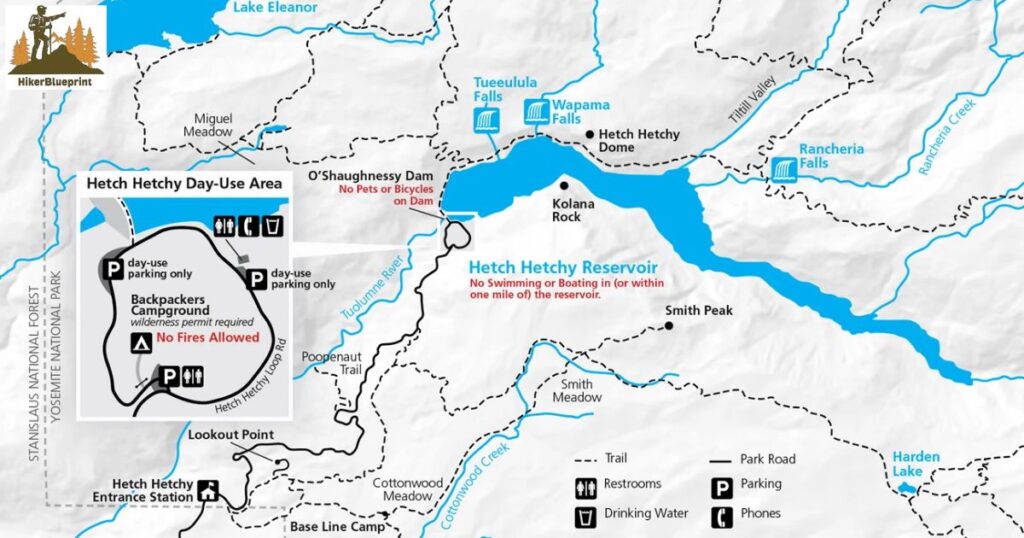
The area is known for its reservoir, O’Shaughnessy Dam, granite cliffs, and waterfalls. Most day hikers begin near the dam, where trails follow the reservoir shoreline or climb toward surrounding viewpoints.
| Planning detail | What to know |
|---|---|
| Location | Northwestern Yosemite National Park, California |
| Main access point | Hetch Hetchy Entrance Station |
| Main trailhead | O’Shaughnessy Dam |
| Best beginner option | Wapama Falls |
| Wapama Falls distance | Approximately 5 miles round trip |
| Wapama Falls elevation gain | Approximately 507 feet |
| Wapama Falls estimated time | About 2 hours, depending on pace and conditions |
| Longer waterfall hike | Rancheria Falls, approximately 13 to 13.4 miles round trip |
| Road access | Generally sunrise to sunset |
| Entrance reservation | No special vehicle entrance reservation is generally required for ordinary day use under the current 2026 Yosemite policy |
| Park entrance fee | Standard Yosemite entrance fees apply |
| Overnight backpacking | Wilderness permit required |
| Best waterfall season | Usually spring, especially around May |
| Main precautions | Limited services, changing weather, slippery surfaces, wildlife, and strict exit times |
Distances and estimated hiking times come from National Park Service trail information. Actual times depend on fitness, trail conditions, stops, and the amount of time spent enjoying the scenery.
For the latest information, consult the official Hetch Hetchy hiking and trail guide before leaving home.
Where Is Hetch Hetchy, and How Do You Get There?
Hetch Hetchy sits in the northwestern portion of Yosemite National Park, away from the main concentration of visitor facilities in Yosemite Valley. Its relative isolation contributes to the area’s appeal, but it also means you should plan your drive carefully.
The usual approach is through the Big Oak Flat Road area and onward to the Hetch Hetchy Entrance Station. Follow current park directions rather than relying entirely on a GPS device, which may suggest routes that are unsuitable or unavailable.
Once through the entrance station, the road descends toward the reservoir and O’Shaughnessy Dam. Parking near the dam provides access to several hiking options, including Wapama Falls and longer routes into Yosemite’s northwestern wilderness.
Driving and Parking
The drive into Hetch Hetchy follows a narrow, winding road. Large vehicles and trailers face restrictions, and the National Park Service prohibits vehicles or trailers exceeding 25 feet long and 8 feet wide on Hetch Hetchy Road.
Parking is available near the principal trailhead, but spaces can fill during busy periods. The entrance station may experience delays when the parking area reaches capacity, particularly around the middle of the day on weekends.
Arriving early is a sensible strategy. It gives you more time to park, organize your equipment, and begin hiking without immediately feeling pressed by the clock.
Entrance Hours and Reservations
One of the most important details to understand before a Hetch Hetchy Hike is the area’s operating schedule.
Unlike Yosemite Valley, which is generally accessible around the clock, the Hetch Hetchy entrance road is open only from sunrise to sunset. Day visitors must leave the area by sunset. Overnight backpackers have separate access arrangements governed by applicable wilderness regulations.
Winter weather can also affect access. Snow, ice, or forecasts of overnight snow may result in road closures or chain requirements.
A special vehicle entrance reservation is not generally required for ordinary day visits under Yosemite’s current 2026 policy. Nevertheless, you should check current park alerts before traveling, because entrance policies, road access, and other restrictions can change.
The Best Hetch Hetchy Hiking Trails
Choosing the right trail depends on how much time you have, your fitness level, and whether you want waterfalls, panoramic views, or a longer backcountry experience.
Wapama Falls is the most practical starting point for many first-time visitors. Longer alternatives include Rancheria Falls and Smith Peak, while Lookout Point provides a shorter route to an elevated view of the valley.
The following comparison uses National Park Service trail information. Treat the listed distances and elevation gains as planning estimates rather than guarantees of current trail conditions.
| Trail | Approximate round-trip distance | Elevation gain | Estimated effort | Best suited to |
|---|---|---|---|---|
| Lookout Point | 2 miles | 680 feet | Moderate | Visitors wanting a shorter viewpoint hike |
| Wapama Falls | 5 miles | 507 feet | Easy to moderate for many hikers | First-time visitors and waterfall lovers |
| Rancheria Falls | 13 to 13.4 miles | 1,909 feet | Moderate to strenuous, depending on conditions | Experienced hikers seeking a longer day |
| Smith Peak | About 13.5 miles from its designated trailhead | About 3,700 feet | Strenuous | Fit hikers wanting high-country views |
| Poopenaut Valley | 2.5 miles | 1,279 feet | Strenuous for its length | Experienced hikers comfortable with steep terrain |
Important: Shorter mileage does not automatically mean an easy hike. Steep descents, exposed slopes, heat, snow, and slippery rock can make a short route demanding.
1. Wapama Falls: The Best First Hike
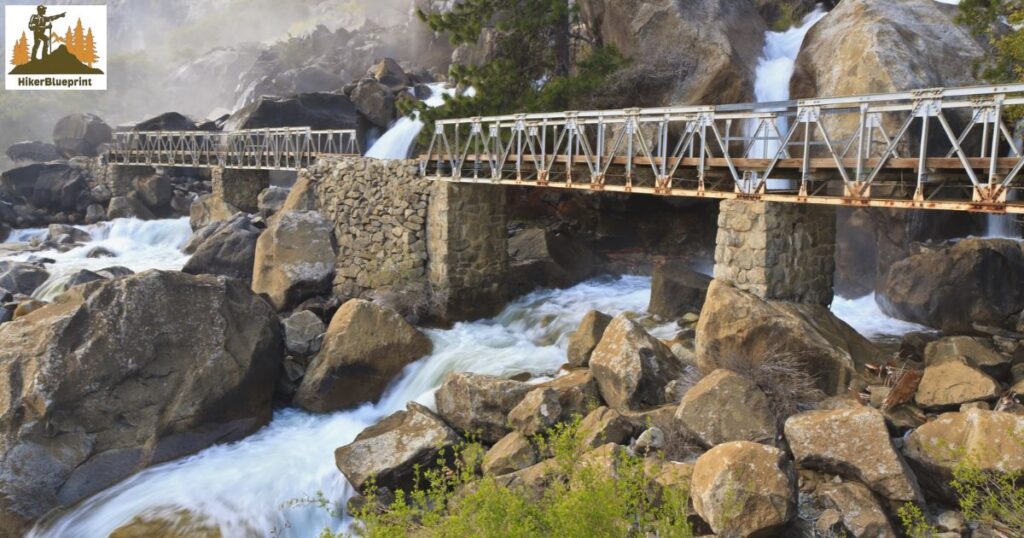
For many visitors, Wapama Falls is the best introduction to Hetch Hetchy. The trail begins at O’Shaughnessy Dam, crosses the dam, passes through a short tunnel, and follows the reservoir shoreline toward the falls.
The round-trip distance is approximately 5 miles, with about 507 feet of elevation gain. The National Park Service estimates around two hours for the hike, although you’ll likely need more time if you stop frequently for photographs or encounter difficult conditions.
The route offers views of both Tueeulala Falls and Wapama Falls. During spring snowmelt, the waterfalls can produce impressive volumes of water, creating a dramatic setting against the surrounding granite cliffs.
Although the route is manageable for many reasonably fit hikers, don’t treat it as a paved walking path. Uneven terrain, changing weather, and wet surfaces require attention.
Best for: First-time visitors, waterfall photography, and hikers looking for a rewarding half-day outing.
2. Rancheria Falls: A Longer Day on the Trail
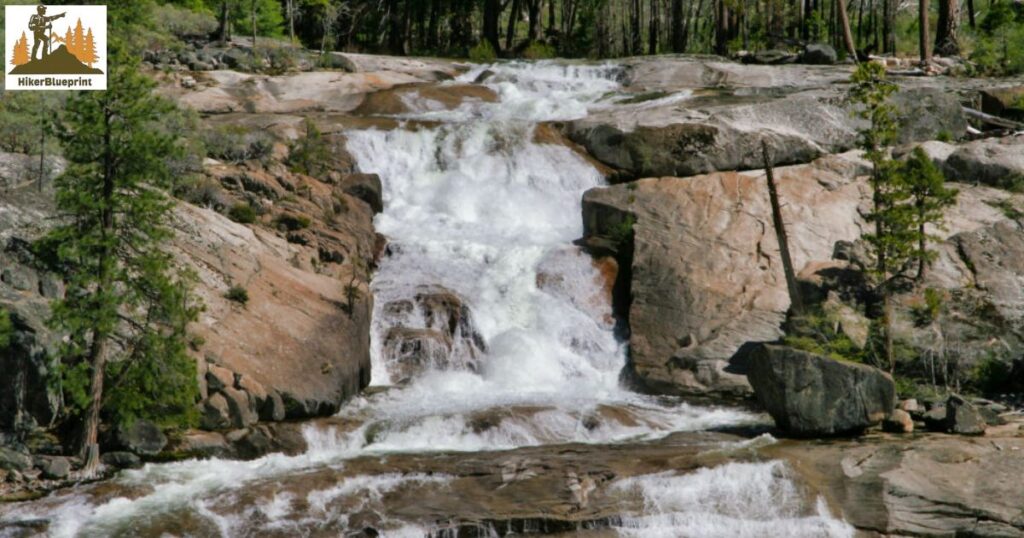
If you’re comfortable with a longer outing, continuing beyond Wapama Falls toward Rancheria Falls provides a more substantial hiking experience.
The route covers approximately 13 to 13.4 miles round trip, depending on the official route description, with roughly 1,909 feet of elevation gain. Allow six to eight hours, including breaks, and potentially longer if conditions slow your progress.
The trail continues along the reservoir before moving farther into Yosemite’s northwestern backcountry. As the distance increases, preparation becomes more important. Carry sufficient water, food, navigation equipment, and clothing for changing conditions.
Rancheria Falls can be a good destination for hikers who want more time away from the main trailhead. However, its length makes it unsuitable for anyone who is unprepared for a full day of hiking.
Best for: Experienced day hikers, quieter scenery, and visitors who want more than the standard waterfall outing.
3. Lookout Point: A Shorter Route With Elevated Views
Lookout Point provides an alternative for visitors who prefer a shorter hike or want to add another destination to their day.
The route is approximately 2 miles round trip, with 680 feet of elevation gain. It climbs toward a rocky outcropping overlooking Hetch Hetchy Valley.
Although the distance is relatively short, the elevation gain makes the route more demanding than a level walk. Take your time on the climb, especially if you’re hiking in hot weather.
The viewpoint offers a different perspective from the reservoir shoreline. Instead of concentrating entirely on the waterfalls, you’ll gain a broader view of the surrounding landscape.
Best for: Visitors short on time, hikers who enjoy viewpoints, and those looking for an alternative to the longer waterfall trail.
4. Smith Peak: A More Demanding Adventure
Smith Peak reaches approximately 7,751 feet above sea level and offers expansive views across the Hetch Hetchy area.
The National Park Service lists a route of approximately 13.5 miles round trip with around 3,700 feet of elevation gain from its designated trailhead. A longer route begins at the entrance station.
This is a strenuous hike rather than a casual extension of a morning outing. The substantial elevation gain, distance, and potential exposure require appropriate fitness, sufficient supplies, and careful weather planning.
If you want a challenging day away from the reservoir shoreline, Smith Peak is worth considering. However, beginners should choose a shorter route until they’re comfortable with sustained climbs and long distances.
Best for: Experienced hikers seeking panoramic views and a physically demanding day.
When Is the Best Time for a Hetch Hetchy Hike?
The best time to visit depends on your priorities. If waterfalls are the main attraction, spring is usually the strongest choice. If you prefer quieter trails and don’t mind reduced water flow, other seasons can still provide beautiful scenery.
Hetch Hetchy’s relatively low elevation gives it a longer hiking season than many of Yosemite’s higher-elevation destinations. However, access and conditions can change quickly, particularly during winter storms.
Spring: The Best Season for Waterfalls
Spring is usually the most rewarding season for waterfall enthusiasts. Rainfall and melting snow feed the streams flowing into Hetch Hetchy, often producing strong water flow around Wapama Falls.
The National Park Service identifies May as the typical peak-flow period for Wapama Falls. The exact timing varies with winter snowfall, spring temperatures, and rainfall.
During this season, you may encounter cool mornings, muddy sections, wet rock, and heavy spray near the waterfalls. Wear appropriate footwear and bring a waterproof layer if conditions suggest you’ll encounter substantial mist.
Spring can also bring rapidly changing conditions. A sunny forecast doesn’t guarantee that every part of the trail will remain dry or that the entrance road will stay open.
Summer: Longer Days and Lower Water Flow
Summer provides long daylight hours and can be a convenient time to explore the reservoir and surrounding trails.
However, waterfall flow generally decreases as snowmelt subsides. In dry years, the falls may be less impressive than during the spring peak.
Heat is another consideration. Exposed sections of trail can become uncomfortable during the middle of the day, particularly for hikers carrying heavy packs.
For a summer Hetch Hetchy Hike, start early, bring adequate water, and choose a turnaround time that leaves enough daylight to return to the trailhead and exit the area before sunset.
Fall: Quieter Trails and Changing Conditions
Fall can offer pleasant hiking temperatures and opportunities to enjoy the scenery without some of the summer crowds.
However, waterfall flow may be substantially lower by this time. If your primary goal is to photograph powerful cascades, consider visiting earlier in the year.
As autumn progresses, cooler nights and changing weather become increasingly important. Check forecasts and road conditions before leaving, particularly if your trip falls late in the season.
Winter: A More Cautious Hiking Season
Hetch Hetchy can remain accessible during winter, but snow and ice can complicate both driving and hiking.
The entrance road may close when it is snowing or when snow is forecast overnight. Chains may also be required when conditions warrant them.
On the trail, icy surfaces can make otherwise manageable sections hazardous. Carry suitable traction when conditions require it, dress in layers, and be prepared to turn around if the route becomes unsafe.
Before any winter outing, check the park’s official current road and trail conditions.
Waterfall Timing: When Will Wapama Falls Look Its Best?
Waterfall conditions are one of the biggest factors influencing a Hetch Hetchy Hike. The reservoir and granite cliffs remain scenic throughout the year, but the waterfalls can look dramatically different from one season to another.
Wapama Falls is approximately 1,400 feet tall and can be viewed from near O’Shaughnessy Dam or along the hiking trail. Tueeulala Falls is another prominent feature visible from the reservoir route.
Why Spring Usually Offers the Strongest Flow
The Sierra Nevada accumulates snow during winter. As temperatures rise in spring, melting snow and seasonal rainfall increase streamflow, often creating powerful waterfalls.
This makes spring a particularly attractive time for photography. Mist, rushing water, and the contrast between white cascades and dark granite can create dramatic views.
However, high water also means you need to pay attention to trail conditions. Water can spray onto nearby surfaces, making rocks and bridges slippery.
Never assume that a route is safe simply because other hikers are using it. Follow closure notices and any posted instructions near the falls.
What to Expect in Summer and Fall
As the snowpack melts away and rainfall decreases, waterfall flow typically declines.
You may still enjoy attractive water views, but the waterfalls might be less powerful than they were in spring. In dry years, the difference can be substantial.
This doesn’t make a summer or fall visit pointless. The reservoir, granite walls, forested slopes, and elevated viewpoints remain worthwhile attractions.
If strong waterfalls are essential to your trip, check recent conditions and avoid planning around a fixed calendar date alone.
Entrance Fees, Permits, and Other Requirements
A successful hiking trip begins with understanding which rules apply to your visit. Hetch Hetchy is part of Yosemite National Park, so standard park entrance fees and applicable regulations remain in effect.
A special vehicle entrance reservation is generally not required for ordinary day visits under the current 2026 policy. However, wilderness camping and other restricted activities may require separate permits.
Do You Need a Reservation?
For an ordinary day hike, you generally don’t need a separate Hetch Hetchy entrance reservation under the current 2026 rules.
You should still confirm the latest park information before traveling, particularly if your trip is scheduled for a future season.
Park Entrance Fees
Yosemite’s standard entrance fee for a private vehicle is generally $35, covering the vehicle and its occupants for seven consecutive days under the applicable fee rules. Motorcycle and individual entrance fees differ.
Eligible annual passes may cover the standard entrance charge. Additional nonresident fees may apply to qualifying international visitors, subject to current National Park Service rules and exemptions.
Because fee policies can change, verify the amount that applies to your group using the official Yosemite entrance fee information.
Wilderness Permits
Day hiking to Wapama Falls or Lookout Point generally does not require a wilderness permit.
However, an overnight backpacking trip into Yosemite’s wilderness does require an appropriate permit. The permit system regulates backcountry access and helps protect the park’s natural resources.
If you plan to continue beyond the main day-hiking destinations and camp overnight, review the National Park Service’s wilderness permit requirements before departure.
Don’t confuse a park entrance pass with a wilderness permit. They serve different purposes and aren’t interchangeable.
What to Pack for a Hetch Hetchy Hike
The area’s limited services make preparation particularly important. Once you’re on the trail, you shouldn’t expect the same convenience you’d find around Yosemite Valley’s developed visitor areas.
Your packing list should reflect the distance, season, weather forecast, and difficulty of your chosen route.
For a typical day hike, consider bringing:
- Water: Carry enough for the full outing, with additional supplies for hot weather and longer routes.
- Food and snacks: Bring enough energy-rich food for the hike and any unexpected delays.
- Navigation: Carry an offline map and know your intended route before leaving.
- Sun protection: Pack sunscreen, sunglasses, and a suitable hat.
- Layers: Conditions can change, and mornings may be considerably cooler than afternoons.
- Rain protection: A waterproof layer is useful when showers or waterfall spray are likely.
- First-aid supplies: Bring basic supplies appropriate for your group and route.
- Headlamp: Useful if your return takes longer than expected, although you must still plan to leave the area by sunset.
- Appropriate footwear: Choose shoes with dependable traction for uneven terrain.
- Emergency supplies: Carry essential items suited to the hike’s difficulty and remoteness.
For a longer Rancheria Falls outing, pay particular attention to water, food, navigation, and turnaround time. The extra distance leaves less room for poor planning.
Safety Tips for Hiking in Hetch Hetchy
Hetch Hetchy’s scenery can make some trails look easier than they are. Uneven surfaces, steep climbs, changing weather, and limited services mean that even a relatively short outing deserves preparation.
Watch Your Step Near Waterfalls
Wet rock can be slippery, particularly near Wapama Falls during periods of strong flow.
Stay on the designated trail and follow posted instructions around bridges and waterfall crossings. If a crossing is closed or unsafe, don’t attempt to bypass the restriction.
Avoid moving onto exposed rocks for photographs. A better viewpoint is never worth risking a fall.
Prepare for Heat and Limited Services
Some trail sections offer little shade. During warm weather, begin early and carry adequate water.
Cell service may be unreliable, so download maps before arriving and tell someone about your plans when appropriate.
Choose a route that matches your fitness level, and don’t let a late start push you into hiking faster than conditions allow.
Watch for Wildlife and Poison Oak
The National Park Service warns visitors about rattlesnakes and poison oak in the Hetch Hetchy area.
Stay alert when walking through brush or across rocky terrain. Avoid reaching into areas you can’t see clearly, and give wildlife plenty of space.
Store food and scented items properly, using designated food-storage facilities where provided. Never feed wildlife or leave food unattended.
Pets are prohibited on Yosemite hiking trails, and swimming and boating are prohibited in Hetch Hetchy Reservoir to protect the drinking-water supply.
Respect the Sunset Deadline
The most easily overlooked rule is the area’s operating schedule.
Day visitors must exit Hetch Hetchy by sunset, and vehicles cannot access the trailheads when the road is closed. A long photography stop, slow hiking pace, or unexpected delay can leave you with less time than anticipated.
Before starting a Hetch Hetchy Hike, check the sunset time, estimate your return duration, and build in a reasonable buffer. Turn around early if conditions or your pace suggest you may be late.
What First-Time Visitors Often Overlook
Hetch Hetchy offers a different experience from Yosemite Valley, and that difference is part of its appeal. However, visitors who arrive without understanding the area’s restrictions can find themselves rushing or changing plans unnecessarily.
First, don’t assume that every part of Yosemite operates on the same schedule. Hetch Hetchy’s entrance road closes at night, even though the national park as a whole is generally open around the clock.
Second, don’t expect the same range of facilities available in the main valley. Bring what you need rather than relying on last-minute purchases or services near the trailhead.
Third, avoid underestimating driving time. The winding access road, entrance station, and parking situation can all affect when you actually begin hiking.
Finally, remember that the waterfalls are seasonal features. A summer visit may offer beautiful reservoir scenery without the powerful spring flow that appears in photographs taken earlier in the year.
A Simple Itinerary for Your First Hetch Hetchy Visit
If this is your first visit, keep the schedule straightforward. Trying to combine several long trails into one day can leave little time to enjoy the scenery or handle unexpected delays.
Morning: Arrive and Hike Toward Wapama Falls
Aim to arrive early enough to park, organize your equipment, and begin hiking comfortably.
Cross O’Shaughnessy Dam, pass through the tunnel, and follow the shoreline route toward Wapama Falls. Take breaks at suitable viewpoints and pay attention to trail conditions near the water.
Midday: Enjoy the Reservoir and Return
Allow time for photographs and rest stops, then return along the same route.
If you finish earlier than expected and conditions are suitable, you can consider a shorter additional outing. Lookout Point may be an option for visitors who have enough time and energy.
Don’t add another hike if doing so would put your sunset exit deadline at risk.
Afternoon: Leave With a Comfortable Buffer
Once you’ve finished hiking, return to your vehicle and begin leaving the area with sufficient daylight remaining.
Check the entrance road conditions before departure if weather has changed. During winter, snow or ice can affect your plans even when the morning drive was straightforward.
A flexible schedule makes the experience more enjoyable and leaves room for the unexpected.
Frequently Asked Questions
How difficult is the Wapama Falls hike?
It’s generally considered easy to moderate for reasonably fit hikers, with approximately 5 miles round trip and 507 feet of elevation gain. Wet surfaces and seasonal conditions can increase the difficulty.
When is the best time to see the waterfalls?
Spring, particularly around May, typically offers the strongest flow at Wapama Falls because of snowmelt and seasonal rainfall.
Do I need a permit for a day hike?
Ordinary day hikes to Wapama Falls and Lookout Point generally don’t require wilderness permits. Overnight backpacking requires the appropriate permit.
Can beginners hike here?
Yes. Wapama Falls is a practical option for many beginners who are comfortable walking several miles on uneven terrain. Beginners should assess their fitness and current trail conditions before setting out.
Are dogs allowed on the trails?
No. Pets are prohibited on Yosemite hiking trails. Check official park rules before bringing a pet to any part of the area.
Is Hetch Hetchy open during winter?
The area may remain accessible, but the entrance road can close because of snow or ice. Always check current conditions before driving.
Can you swim in Hetch Hetchy Reservoir?
No. Swimming and boating are prohibited in the reservoir because it supplies drinking water.
Final Thoughts: Plan Your Hetch Hetchy Adventure
A Hetch Hetchy Hike is an excellent way to experience a different side of Yosemite National Park. The combination of granite scenery, reservoir views, and seasonal waterfalls makes the area worth considering for both first-time visitors and experienced hikers.
For most beginners, Wapama Falls is a sensible starting point. More experienced hikers can explore longer routes toward Rancheria Falls or tackle the demanding climb to Smith Peak.
Choose your route carefully, carry the supplies you need, and check road conditions before departure. Most importantly, respect the daylight operating schedule and allow enough time to return.
With a realistic itinerary and a little preparation, you can enjoy Hetch Hetchy’s distinctive scenery without rushing through the experience.
You may also like this:
Yosemite Reservation 2026: Entry Rules, Fees, Permits, and How to Visit Without Stress
Yosemite Easy Hikes With Kids: 10 Family-Friendly Trails and Stress-Free Tips
Best Time to Visit Yosemite National Park: Weather, Crowds, and Seasonal Guide
Hiking the Window Trail in Big Bend National Park: Complete Guide

Ahmed Khubaib is a passionate hiker with over 10 years of experience in hiking, camping, and exploring trails solo and with kids.
He shares firsthand experiences, practical hiking tips, and trail guides to help adventurers explore the outdoors safely.