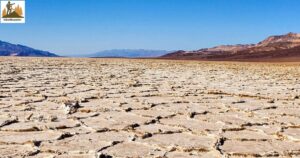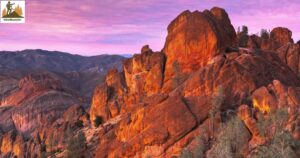
Your first national park hike doesn’t need to involve a steep climb, a narrow cliffside trail, or an exhausting day on the trail. Some of the most memorable outdoor experiences in America come from short walks to waterfalls, quiet paths through old-growth forests, and scenic routes overlooking mountains, coastlines, and remarkable rock formations.
The challenge is choosing a trail that matches your experience. A route described as easy might still have uneven rocks, slippery steps, exposed edges, or more elevation gain than you expect. That’s why the best national park hikes for beginners combine manageable distances with rewarding scenery, straightforward navigation, and opportunities to turn back when needed.
This guide highlights beginner-friendly routes in several of America’s most beautiful national parks. You’ll find approximate distances, trail characteristics, seasonal considerations, and advice for choosing a hike that suits your comfort level.
Whether you’re planning a family road trip, introducing someone to hiking, or simply looking for a relaxing outdoor day, these trails offer memorable scenery without requiring an ambitious mountain adventure.
Quick Guide: Which Easy National Park Hike Should You Choose?

The right trail depends on what you want to see, how much time you have, and how comfortable you feel walking on natural surfaces.
The following comparison is a useful starting point. Distances and trail conditions can change with reroutes, closures, and seasonal access, so check the individual park’s current information before leaving.
| National park | Recommended beginner hike | Approximate distance | Best for | Main consideration |
|---|---|---|---|---|
| Yosemite, California | Lower Yosemite Fall Trail | 1 mile loop | Waterfall scenery and granite cliffs | Waterfall flow varies by season |
| Zion, Utah | Riverside Walk | About 2.2 miles round trip | River views and towering canyon walls | Shuttle logistics and heat |
| Acadia, Maine | Ocean Path | Up to 4.4 miles round trip | Coastal views and ocean air | Rocky surfaces and exposed edges |
| Joshua Tree, California | Barker Dam Nature Trail | About 1.1 miles loop | Desert scenery and rock formations | Heat and limited shade |
| Bryce Canyon, Utah | Sunset Point to Sunrise Point | About 1 mile round trip | Colorful hoodoos and canyon overlooks | High elevation and winter ice |
| Glacier, Montana | Trail of the Cedars | About 0.7 to 0.9 mile loop, depending on route description | Forest scenery and a dramatic gorge | Water hazards and seasonal access |
| Grand Canyon, Arizona | A selected section of the South Rim Trail | Choose a short out-and-back | Canyon views without a steep descent | Exposure, elevation, and limited shade |
| Badlands, South Dakota | Window Trail | About 0.25 mile round trip | A quick view of eroded canyon terrain | Uneven surfaces beyond maintained sections |
| Badlands, South Dakota | Door Trail | About 0.75 mile round trip | A closer look at the Badlands Wall | The natural trail beyond the boardwalk has drop-offs |
| Acadia, Maine | Jesup and Hemlock Paths | About 1.4 miles loop | Woodland scenery and a quieter walking experience | Wet or uneven sections may occur |
Important: Easy is a relative term, not a guarantee. A short trail can still be difficult for someone with limited mobility, balance concerns, or little experience on uneven ground. Consider both the distance and the surface before deciding.
Lower Yosemite Fall Trail, Yosemite National Park

Yosemite’s granite cliffs and enormous waterfalls make it one of the most recognizable outdoor destinations in the United States. Fortunately, you don’t need to tackle a strenuous climb to experience some of that scenery.
The Lower Yosemite Fall Trail is a particularly good introduction. The National Park Service lists the route as an easy, approximately 1-mile loop with around 50 feet of elevation gain.
The trail takes you through the Yosemite Valley landscape toward the base of Lower Yosemite Fall. When water is flowing strongly, the waterfall creates an impressive display against the surrounding cliffs. Even when the waterfall is running lightly, the walk offers forest scenery and views of Yosemite’s distinctive granite landscape.
What makes this hike beginner-friendly?
The relatively short distance and limited elevation gain make this a practical option for families, first-time hikers, and visitors who want to fit a walk between other park activities.
You can also combine the trail with other nearby Valley stops without committing to a full day of hiking. If you’re visiting with children or someone who prefers frequent breaks, the short loop makes planning easier.
However, don’t assume the path will always be dry or completely level. Water, ice, and winter conditions can affect footing, and some sections may be unsuitable for visitors who need a consistently smooth surface.
When should you go?
Spring and early summer often provide the most dramatic waterfall flow, although conditions vary with the snowpack and weather. Summer offers more opportunities for longer sightseeing days, but popular parking areas and trails can become busy.
Check the official Yosemite Valley day hikes guide for trail distances, elevation information, and current planning resources before your visit.
Best for: Beginners who want an iconic waterfall experience without a long or steep hike.
Riverside Walk, Zion National Park

Zion’s towering sandstone cliffs can make the park look intimidating to a new hiker. Yet some of its most memorable scenery is accessible along a relatively gentle path beside the Virgin River.
The Riverside Walk follows the river through the lower section of Zion Canyon. The route is approximately 2.2 miles round trip, making it a reasonable choice for visitors who are comfortable walking for an hour or two.
Along the way, you can see canyon walls rising above the river, vegetation growing beside the water, and changing patterns of light across the sandstone.
What should beginners expect?
The route is popular because it offers a substantial scenic reward without the demanding climbing associated with some of Zion’s more difficult trails.
It is not completely free of logistical challenges, however. Visitors commonly reach the trailhead using Zion Canyon’s shuttle system when it operates. You should allow extra time for transportation, waiting, and walking between stops.
The path also leads to the entrance of the famous Narrows, where hiking conditions are very different. Continuing into the river is not simply an extension of the easy Riverside Walk. Water depth, current, flash-flood risk, and weather can make river hiking dangerous.
If your goal is a relaxed beginner outing, enjoy the maintained route and turn around at the appropriate point.
Watch the weather
Summer temperatures can become intense, particularly on exposed sections of the canyon. Start early, carry water, and check the forecast and park alerts.
Flash floods can occur even when rain isn’t falling directly where you’re hiking. Never enter a canyon or river route when officials warn of dangerous conditions.
For route classifications and park-specific guidance, consult the official Zion Canyon trail descriptions.
Best for: Beginners who want river scenery and towering canyon walls without committing to a strenuous climb.
Ocean Path, Acadia National Park
If mountains and forests aren’t your preferred scenery, Acadia offers a different kind of outdoor experience. Its rocky coastline, Atlantic Ocean views, and granite formations create an appealing setting for a relaxed walk.
The Ocean Path follows the coast between the Sand Beach area and Otter Point. The full route is approximately 2.2 miles one way, or 4.4 miles round trip, although you can choose a shorter out-and-back walk.
One advantage is flexibility. You can walk far enough to enjoy the scenery, pause for photographs, and return without completing the entire route.
Why choose Ocean Path?
The coastal views provide an immediate reward, making the route appealing to beginners who don’t want to climb a mountain to reach a viewpoint.
You can also make the hike part of a broader day exploring Acadia’s scenic drives, beaches, and overlooks.
However, don’t mistake coastal walking for a completely flat stroll. The surface varies, and portions of the route include uneven ground, staircases, rocky sections, and steep drops toward the ocean.
Keep children away from exposed edges, especially when the ground is wet or conditions are windy. Waves can be powerful, and slippery rocks near the water deserve extra caution.
How much should you walk?
For a first outing, consider walking from Sand Beach toward Thunder Hole and returning the same way. This gives you an opportunity to experience the coastline without committing to the full route.
If you’re still comfortable and have enough daylight, you can extend the walk.
The National Park Service describes the route’s distances and surface considerations in its official Acadia accessibility and trail information.
Best for: Beginners who prefer ocean scenery, flexible distances, and opportunities to combine hiking with sightseeing.
Barker Dam Nature Trail, Joshua Tree National Park
Joshua Tree offers a striking desert landscape filled with unusual rock formations, open skies, and distinctive Joshua trees. The environment feels very different from the forests and waterfalls found in many other national parks.
The Barker Dam Nature Trail is a short loop that introduces visitors to the park’s desert scenery and cultural history. The National Park Service lists it at approximately 1.1 miles, with around 50 feet of elevation gain.
The route passes through a landscape of boulders and desert vegetation, with an opportunity to see the historic water-storage structure associated with early cattle ranching in the area.
What makes it a good first desert hike?
The short distance makes it manageable for many beginners, and the route offers several reasons to pause and explore the surroundings.
You can examine the rock formations, notice how plants survive in the desert environment, and enjoy the contrast between the open landscape and sheltered areas among the boulders.
Even so, desert hiking requires a different kind of preparation. Water, shade, and comfortable temperatures cannot be taken for granted.
Avoid the hottest part of the day
In warm weather, start early and finish before temperatures climb too high. Carry sufficient water, wear sun protection, and avoid extending your walk simply because the route looks short on a map.
The park’s official guidance recommends beginning short desert trails before 9 a.m. during summer.
Rocky or sandy surfaces may also slow you down. Wear shoes with dependable traction, stay on established routes, and avoid scrambling over boulders unless you’re prepared for that type of terrain.
Before visiting, review the National Park Service’s Joshua Tree hiking guide for trail distances and seasonal considerations.
Best for: Beginners who want a short desert walk with rock formations, local history, and distinctive plant life.
Sunset Point to Sunrise Point, Bryce Canyon National Park
Bryce Canyon is famous for its hoodoos, the tall, irregular rock formations that fill the park’s natural amphitheater. You can admire these unusual formations without descending deep into the canyon.
The section of the Rim Trail between Sunset Point and Sunrise Point is one of the park’s easiest walks. The National Park Service describes the distance between the two viewpoints as approximately 0.5 mile one way, with about 34 feet of elevation gain.
Walking there and back creates a roughly 1-mile outing with spectacular views along the rim.
Why is this a good choice for beginners?
The short distance makes it easy to fit into a busy travel day. You can enjoy the scenery, take photographs, and return to your vehicle without planning a long hike.
It is also a useful introduction to Bryce Canyon’s landscape. From the viewpoints, you can see layers of red, orange, and cream-colored rock shaped by erosion.
However, the park sits at a high elevation, and the air may feel thinner than it does at home. Visitors who aren’t accustomed to altitude should take their time and pay attention to how they feel.
What about winter?
Snow and ice can make even a short route slippery. Winter closures can also affect sections of the Rim Trail, so don’t assume every viewpoint connection will be open.
Use footwear with reliable traction, and consider traction devices when icy conditions warrant them.
For current route details, see the National Park Service’s official Bryce Canyon Rim Trail guide.
Best for: Beginners who want dramatic canyon views with minimal elevation gain.
Trail of the Cedars, Glacier National Park
Glacier National Park combines mountain scenery, clear streams, forests, and rugged terrain. Some of its longer hikes require substantial preparation, but the Trail of the Cedars provides a much gentler introduction.
Located near Avalanche Creek, this nature trail passes through an old-growth cedar forest and offers views of the water moving through Avalanche Gorge.
The National Park Service describes the loop as approximately 0.9 mile, with about 83 feet of elevation gain and loss. An accessible section of the route is also available, although the precise distance depends on which portion you use.
What will you see?
The trail offers a different kind of reward from a high mountain viewpoint. Instead of climbing toward a summit, you’ll experience a shaded forest, mature trees, and the sound of moving water.
The route is a useful choice for visitors who want a short nature walk while exploring Glacier’s larger landscape.
It can also work well as a break during a scenic drive, provided the trail and road are open.
Check seasonal access
Glacier’s weather and road conditions change significantly throughout the year. Snow can affect access, and some park roads and facilities operate seasonally.
Even on a short trail, be cautious around Avalanche Creek and other fast-moving water. Keep children close to you and never climb over barriers to approach the gorge.
The park also contains wildlife, including bears. Follow official wildlife guidance, maintain appropriate distances, and carry bear spray where recommended.
For current trail details and accessibility information, use the National Park Service’s Trail of the Cedars information page.
Best for: Beginners who enjoy shaded forests, streams, and a short route with natural features along the way.
The South Rim Trail, Grand Canyon National Park
The Grand Canyon is often associated with steep descents and demanding hikes into the canyon itself. Those routes can be challenging, particularly for visitors who are new to hiking.
But you don’t need to descend into the canyon to appreciate its scale.
The South Rim Trail offers opportunities to walk along the rim and enjoy changing viewpoints. The complete route extends for approximately 13 miles between the Grand Canyon Visitor Center area and Hermits Rest, but you don’t have to complete the entire distance.
Instead, choose a short section near Grand Canyon Village and walk out to a viewpoint before returning.
Why stay on the rim?
Walking along the rim can deliver memorable views without the steep elevation changes involved in descending into the canyon.
Some sections are paved, and visitors can use park shuttle services to help customize their walks. However, surface conditions and accessibility vary by section, so check the details before choosing a route.
The most important rule is to respect the canyon’s edges. Some unpaved sections are narrow or close to steep drop-offs. Stay on designated paths, keep children close, and avoid walking backward for photographs.
Remember that the canyon is high and dry
The South Rim sits at a substantial elevation. Weather may be colder than visitors expect, while exposed areas can become hot during warmer months.
Carry water, protect yourself from the sun, and don’t assume that a short walk requires no preparation.
Avoid beginning a descent into the canyon simply because the first section looks manageable. Hiking down is easier than climbing back up, and heat and elevation can make the return considerably harder.
The National Park Service explains the options in its official Grand Canyon day-hiking guide.
Best for: Beginners who want expansive canyon views without committing to a steep descent.
Window Trail, Badlands National Park
Badlands National Park features sharply eroded formations, layered rock, and wide-open views across South Dakota’s prairie landscape.
The Window Trail is one of the shortest ways to experience this scenery. The National Park Service lists it at approximately 0.25 mile round trip.
The trail leads to a natural opening in the Badlands Wall, where visitors can look into an intricately eroded canyon.
A short hike with a clear payoff
For beginners, the main attraction is the combination of a short distance and an interesting destination. You can enjoy the view without committing to a lengthy walk.
This can be especially useful during a road trip when you want to stretch your legs and see the landscape between longer driving sections.
However, a short route is not automatically suitable for every mobility level. Check the current surface and access information if you need a smooth, accessible path.
The park’s official trail information also distinguishes the Window Trail from the nearby Door Trail, where the maintained boardwalk ends and visitors must exercise additional caution around drop-offs.
When should you visit?
Spring and fall can provide comfortable walking conditions, although weather can change quickly. Summer can be hot and exposed, so bring water and sun protection.
Stay on designated trails and avoid climbing fragile formations. The rock and soil can be easily damaged, and leaving the trail may put you near unstable ground.
Best for: Beginners who want an extremely short walk with views of the Badlands’ distinctive geology.
Door Trail, Badlands National Park
If you’d like a slightly longer introduction to Badlands scenery, the Door Trail offers another rewarding option.
The National Park Service lists the route at approximately 0.75 mile round trip. An accessible boardwalk leads through an opening in the Badlands Wall, providing an initial introduction to the landscape.
Beyond the boardwalk, the maintained trail ends. Visitors who continue into the natural terrain do so at their own risk, and the area contains drop-offs.
Is Door Trail right for you?
The boardwalk section is a useful starting point for visitors who want a short walk and a view of the surrounding formations.
However, don’t treat the entire route as a smooth, paved walk. Conditions change once you leave the boardwalk, and the natural terrain requires more attention.
If you’re hiking with young children or anyone who is uncomfortable near edges, consider enjoying the maintained section rather than continuing farther.
The Door Trail is also a reminder that distance alone doesn’t determine difficulty. A quarter-mile of exposed, uneven ground may feel more challenging than a mile on a broad, level path.
Best for: Beginners who want a short geological outing and are comfortable following clear boundaries around exposed terrain.
Jesup and Hemlock Paths, Acadia National Park
Not every beginner hike needs a waterfall or dramatic overlook. Sometimes, a quiet woodland walk is exactly what makes a day outdoors enjoyable.
Acadia’s Jesup and Hemlock Paths provide an alternative to the park’s more exposed coastal routes. Together, they form a loop of approximately 1.4 miles through a woodland environment.
This option is worth considering if you prefer trees and a quieter walking experience to steep climbs or exposed coastal terrain.
Why choose a woodland trail?
A forest walk gives you time to notice smaller details: changing light, plants growing beside the path, birdsong, and the texture of the surrounding landscape.
The route also provides a different perspective on Acadia, which is often associated with ocean views and rocky mountain summits.
However, woodland paths can become muddy or uneven after rain. Don’t assume that tree cover guarantees a dry surface, and wear shoes with suitable traction.
If you’re visiting during a busy season, arrive early and check parking information before setting out. Popular areas of Acadia can become congested, especially during peak travel periods.
Best for: Beginners who prefer woodland scenery and a manageable loop over exposed coastal walking.
How to Choose the Right National Park Hike for Your Ability
The best beginner hike is not necessarily the shortest one or the trail with the most famous viewpoint. It’s the route that matches your physical ability, comfort with uneven ground, available time, and expectations.
Before choosing among the national park hikes on this list, consider four practical factors.
Look at elevation gain, not just distance
Distance tells you how far you’ll walk, but elevation gain helps explain how hard the route might feel.
A flat, 2-mile path may be easier for you than a steep, 1-mile climb. If you’re new to hiking, look for routes with limited elevation gain and avoid trails that require scrambling over rocks or navigating narrow ledges.
Remember that the figures published by parks may not capture every uneven step or short climb. Read the route description as well as the statistics.
Understand the surface
Trail surfaces can include pavement, packed gravel, dirt, sand, wooden boardwalks, rocks, and roots.
A route described as easy may still be unsuitable if you have balance difficulties or need a consistently smooth surface.
If accessibility is important, use the park’s official accessibility information rather than relying on a general difficulty rating. Confirm the route’s surface, slope, width, and available facilities before your visit.
Be realistic about your walking pace
A trail that takes an experienced hiker 30 minutes may take you much longer if you’re stopping for photographs or walking with children.
Allow time for breaks, water, navigation, and the return journey. If the route is an out-and-back, remember that you must still walk back to the trailhead.
It’s better to finish a short hike comfortably than to push through a longer route because you feel you should complete it.
Choose scenery you’ll enjoy
Some beginners love waterfalls, while others prefer forests, coastlines, or wide-open desert landscapes.
Choose a trail that matches your interests. When the scenery appeals to you, frequent stops feel like part of the experience rather than a reason you’re moving slowly.
When Is the Best Time to Visit for Easy Hiking?
The best season depends on the park, elevation, and type of scenery you want to experience. A trail that’s pleasant in spring may be icy in winter or exposed to extreme heat in summer.
| Season | Potential advantages | What to consider |
|---|---|---|
| Spring | Waterfalls may be flowing strongly; temperatures can be comfortable | Snowmelt, muddy trails, rain, and seasonal closures |
| Summer | Longer daylight and access to many high-elevation trails | Heat, crowds, thunderstorms, and limited shade |
| Fall | Cooler weather in many regions and seasonal color in some parks | Shorter daylight and rapidly changing weather |
| Winter | Quieter conditions in some parks and distinctive scenery | Ice, snow, road closures, and reduced services |
These are broad patterns, not guarantees. Conditions can vary considerably between parks and from one year to the next.
For example, spring can be an excellent time to see waterfalls in Yosemite, while summer heat makes early starts especially important in Joshua Tree and Zion. At Bryce Canyon, winter ice can make a short rim walk more challenging than its distance suggests.
Before traveling, check the park’s official website for road status, trail closures, weather concerns, and any reservation requirements.
What Should Beginners Bring on a National Park Hike?
You don’t need an elaborate equipment collection for a short walk, but a few essentials can make the experience safer and more comfortable.
Use this checklist as a starting point:
- Water: Bring enough for everyone in your group, accounting for temperature, distance, and effort.
- Comfortable footwear: Choose shoes with dependable traction for the trail’s surface.
- Sun protection: Pack sunscreen, sunglasses, and a hat when exposure is likely.
- Weather-appropriate layers: Conditions can change, especially in mountains and coastal areas.
- Offline navigation: Download maps or save the park’s trail information before entering areas with unreliable cell service.
- Snacks: Food can be useful for longer outings or hikes with children.
- Basic first-aid supplies: Carry a small kit appropriate for your group and activity.
- A light source: A headlamp or flashlight provides a useful backup if your return takes longer than expected.
You should adjust this list to the specific trail. A short paved walk near a visitor center has different needs from a desert route or a high-elevation trail.
Never assume that water will be available along the route. Check park guidance and carry what you need rather than depending on an unverified water source.
How to Plan a Low-Stress National Park Hiking Day
A little planning can make your first hiking experience much more enjoyable. You don’t need to schedule every minute, but it helps to make a few decisions before leaving your accommodation.
Start with one main trail
Choose one hike that fits your ability and make it the focus of the day. Add nearby viewpoints or visitor-center stops only if you have enough time and energy.
Trying to fit too many famous destinations into one day can turn a relaxed outing into a rushed series of parking stops.
Arrive early when practical
Popular trailheads can fill up, especially during weekends and peak travel seasons. An early start may provide easier parking, cooler temperatures, and more time to enjoy the scenery.
Check the park’s transportation system before driving directly to a trailhead. Some destinations use shuttles or have restricted vehicle access during particular seasons.
Check the official information before setting out
Review the park’s website for:
- Current trail and road closures.
- Weather forecasts and relevant warnings.
- Entrance fees and accepted passes.
- Parking restrictions and shuttle schedules.
- Permit or reservation requirements.
- Seasonal hazards and wildlife guidance.
These details can change, so avoid relying entirely on an old blog post or a saved itinerary.
Leave room for a shorter route
Have an alternative in mind if the trail is crowded, the weather deteriorates, or someone in your group becomes tired.
Turning around early is a sensible hiking decision, not a failure. You can always return for a longer outing when you’re more comfortable.
Common Beginner Hiking Mistakes to Avoid
A few simple mistakes can make an otherwise enjoyable trip unnecessarily stressful.
Choosing a hike by distance alone: Check elevation gain, trail surface, exposure, and route descriptions. A short trail can still involve steep or uneven terrain.
Starting too late in hot weather: In desert parks, temperatures can become dangerous. Start early and follow official heat-safety advice.
Assuming every easy trail is accessible: Difficulty ratings do not necessarily describe wheelchair access, stroller suitability, or the condition of every surface.
Underestimating the return journey: An out-and-back route requires enough energy and daylight for the trip back to the trailhead.
Ignoring changing conditions: Snow, rain, ice, flooding, and road closures can alter the suitability of a route.
Leaving the marked path for a photograph: Fragile vegetation and unstable terrain can be damaged or dangerous. Stay on designated routes and respect barriers.
Relying on cell service: Download useful maps and information before entering areas where coverage may be unreliable.
Treating wildlife as part of the attraction: Observe animals from a safe distance and follow park rules. Never approach wildlife to get a closer photograph.
The goal is to finish your hike with enough energy to enjoy the rest of your day and a good reason to go hiking again.
Frequently Asked Questions
What is the easiest national park hike for beginners?
The Window Trail in Badlands National Park is a very short option at approximately 0.25 mile round trip. Bryce Canyon’s Sunset Point to Sunrise Point route is another gentle choice, although weather and surface conditions still matter.
Are national park hikes suitable for children?
Many short trails are suitable for families, but the right choice depends on the child’s age, walking ability, weather, and terrain. Keep children close around water, steep drop-offs, and wildlife.
Do I need hiking boots for easy trails?
Not always. Comfortable walking shoes with good traction may be sufficient for paved paths and well-maintained routes. Rocky, muddy, or slippery terrain may call for sturdier footwear.
How much water should I bring?
There is no single amount that suits every hike. Consider distance, temperature, exertion, and your group’s needs. Carry enough for the entire outing and don’t assume water will be available on the trail.
Do I need a reservation to hike in a national park?
It depends on the park, activity, and time of year. Some hikes require permits, while some parks use timed-entry systems or seasonal vehicle reservations. Check the official park website before traveling.
Can I hike alone as a beginner?
A short, well-traveled route may be manageable for some beginners, but hiking with another person can provide an extra margin of safety. If you go alone, tell someone your plans, check conditions, and choose a route that matches your experience.
How can I find more easy hiking trails?
Start with the National Park Service’s official hiking information and the individual park’s trail pages. These resources help you compare distances, difficulty, accessibility, closures, and seasonal conditions.
Final Thoughts
You don’t have to climb a mountain or walk all day to enjoy America’s national parks. A short path beside a waterfall, a gentle coastal walk, or a woodland loop can offer a memorable introduction to hiking.
Start with a route that matches your ability, check current conditions, and give yourself plenty of time. As your confidence grows, you can gradually explore longer distances and more challenging terrain.
The best national park hikes for beginners are the ones that let you enjoy the landscape without feeling pressured to go farther than you’re ready for. Choose your trail carefully, stay flexible, and leave room to enjoy the journey.
You may also like this:
Hiking the Window Trail in Big Bend National Park: Complete Guide
Best Time to Visit Yosemite National Park: Weather, Crowds, and Seasonal Guide
Yosemite Easy Hikes With Kids: 10 Family-Friendly Trails and Stress-Free Tips
Hetch Hetchy Hiking guide: Best Trails, Waterfall Season, and Essential Planning Tips
How to Avoid Crowds in Yosemite: Start Times, Trail Choices, and Simple Tradeoffs That Work

Ahmed Khubaib is a passionate hiker with over 10 years of experience in hiking, camping, and exploring trails solo and with kids.
He shares firsthand experiences, practical hiking tips, and trail guides to help adventurers explore the outdoors safely.