The Fairyland Loop Trail is one of Bryce Canyon National Park’s quieter long-distance day hikes. It circles Boat Mesa, descends into Fairyland and Campbell Canyons, and brings you close to tall hoodoos that look different from the formations around the main amphitheater.
This strenuous eight-mile hike has nearly 1,900 feet of elevation gain. Plan for a half-day and bring enough water.
Fairyland Loop Trail: Quick Overview
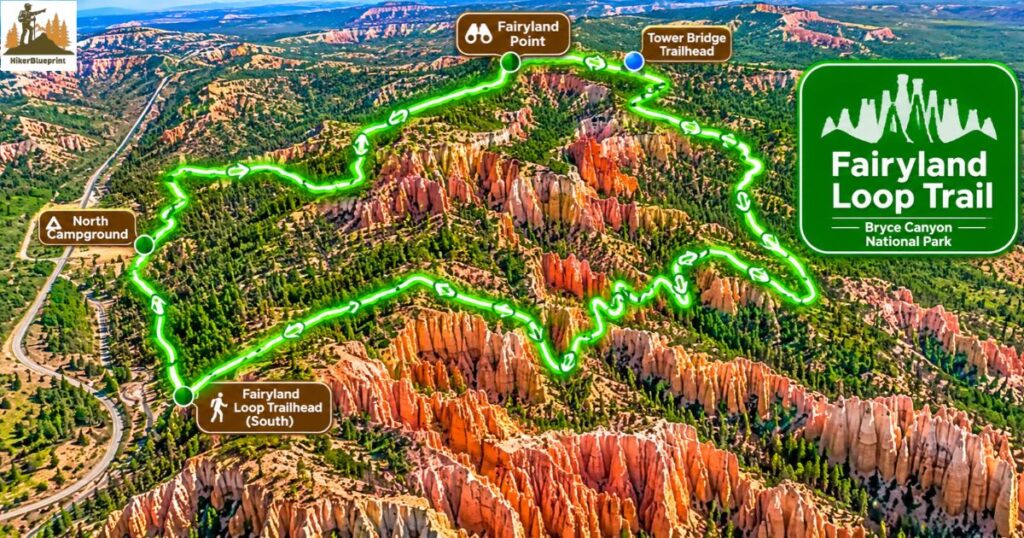
| Trail detail | Information |
|---|---|
| Location | Bryce Canyon National Park, Utah |
| Trailheads | Fairyland Point or Tower Bridge Trailhead |
| Distance | 8.0 miles (12.9 km) |
| Elevation gain | About 1,900 feet (579 m), per NPS hiking guide |
| Estimated time | 4–5 hours |
| Difficulty | Strenuous |
| Route | Loop |
| Recommended direction | Counterclockwise |
| Reservations | Not required |
| Pets | Not allowed |
The NPS trailhead page lists 1,716 feet of elevation change, while its hiking guide lists 1,900 feet of gain. Treat the route as a substantial climb and allow for some variation in published elevation figures. Natural surfaces and steep grades make it inaccessible.
Where Does the Hike Start?
For the Fairyland Loop Trail, you can begin at Fairyland Point or the Tower Bridge Trailhead, about a quarter-mile north of Sunrise Point along the Rim Trail. Fairyland Point has parking but no shuttle stop.
If you start at Tower Bridge, park at Sunrise Point and walk north along the Rim Trail to the trailhead. This option has seasonal shuttle access. Check the official Bryce Canyon shuttle information before visiting, since service is seasonal.
What You’ll See Along the Route
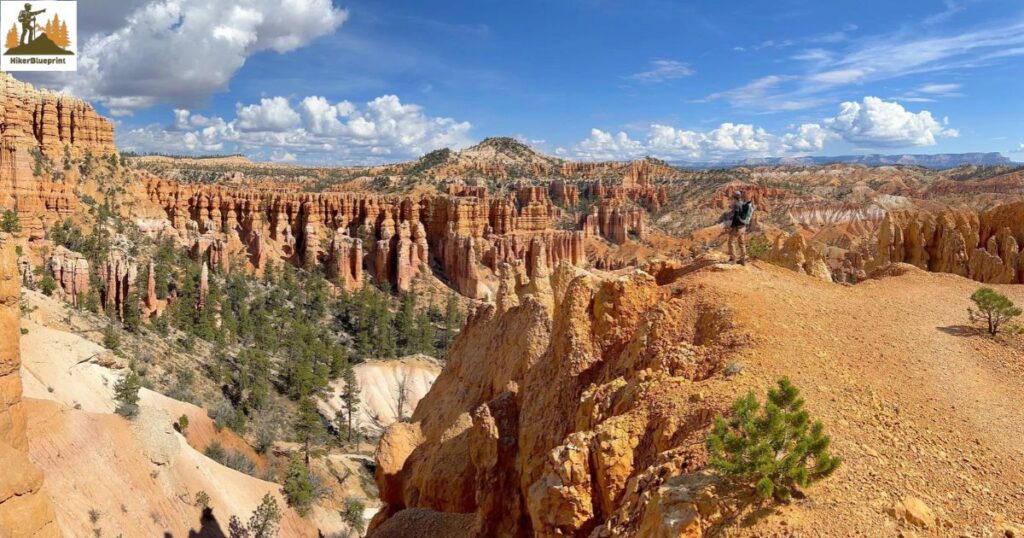
The Fairyland Loop Trail combines rim scenery, ponderosa pine forest, and canyon hiking. Boat Mesa forms the centerpiece of the loop, while the route drops into Fairyland and Campbell Canyons, where hoodoos rise around the trail.
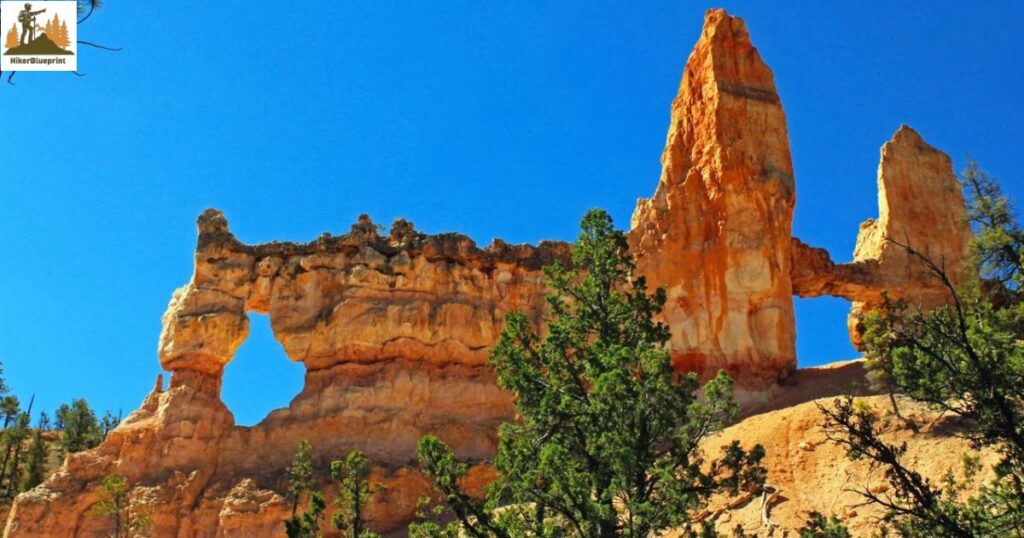
One major landmark is Tower Bridge, a natural rock formation reached by a short spur from the main route. You’ll also see the Chinese Wall and distant views across the Bryce Amphitheater. The changing perspective is part of the Fairyland Loop Trail’s appeal: you hike among the spires instead of viewing them only from above.
Which Direction Should You Hike?
For the Fairyland Loop Trail, the National Park Service recommends hiking counterclockwise. This direction is commonly favored because it lets you descend the Tower Bridge section rather than climb it, although the loop still includes plenty of elevation change.
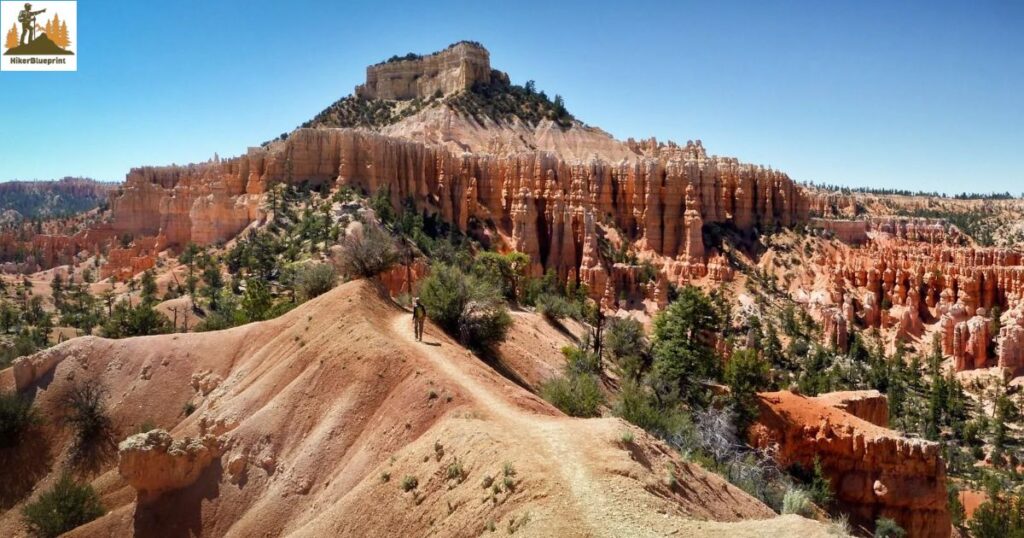
Follow trail signs and carry an offline map; cell service may be unreliable. The official Fairyland Loop trail description provides the park’s route details and access notes.
Best Time to Hike
Late spring through early fall generally offers the most practical conditions, but snow and storms can affect the route.
- Spring: Snow, ice, and muddy trail sections may linger.
- Summer: Start early. Afternoon thunderstorms and lightning are common in July and August.
- Fall: Cooler temperatures often make longer hikes more comfortable.
- Winter: The Fairyland Point road is not plowed, and deep snow can make the route inaccessible.
At roughly 8,000 feet, Bryce Canyon’s weather can change quickly. Check the NPS current conditions and alerts before setting out. Although the Fairyland Point road closes in winter, access from the Rim Trail near Sunrise Point may remain possible, depending on conditions.

Parking, Fees, and Trail Rules
No separate hiking permit or reservation is required, but park admission is. Current standard fees include $35 per private vehicle, $30 per motorcycle, and $20 per person entering without a vehicle. Non-US residents aged 16 and older may also owe a $100 surcharge unless covered by an eligible pass. Review Bryce Canyon entrance fees and passes before travel.
Fairyland Point parking is free when open; its road isn’t plowed in winter. Pets are prohibited on unpaved park trails, and there are no reliable water sources along this loop.
Practical Tips Before You Go
The Fairyland Loop Trail demands preparation beyond what its mileage alone suggests. Bring 2–3 liters of water per person, more in hot weather, plus food for a four-to-five-hour outing.
- Wear sturdy hiking shoes with good traction.
- Start early to avoid afternoon storms and heat.
- Carry sun protection; much of the route is exposed.
- Give yourself time to adjust to the park’s high elevation.
- Yield to horses and mules if you encounter guided rides, and follow ranger instructions.
For a shorter outing, the Tower Bridge out-and-back hike is about three miles. For other park routes, compare Bryce Canyon Day Hikes and use the Bryce Canyon National Park Map Guide to plan your day. The Rim Trail Bryce Canyon offers rim-top views, while the Navajo Loop Trail, Queen’s Garden Trail, and Navajo + Queen’s Garden Loop Trail explore the main amphitheater. For another strenuous canyon hike, see the Peekaboo Loop Trail. Use them in a Bryce Canyon National Park One-Day Hiking Itinerary.
Frequently Asked Questions
How long does the hike take?
Allow 4–5 hours, plus breaks.
Is it harder than the Queen’s Garden and Navajo combination?
Yes. The Fairyland route is much longer and has substantially more elevation gain, making it a strenuous hike.
Is the trail open in winter?
Snow can limit access, and the Fairyland Point road closes to vehicles in winter.
Are dogs allowed?
No. Pets are not allowed on unpaved trails in Bryce Canyon National Park.
Do I need a permit?
No separate day-hiking permit or reservation is required. You do need a valid park entrance pass.
Final Thoughts
The Fairyland Loop Trail suits hikers seeking a longer, quieter Bryce Canyon outing. Rim walking, forest, and hoodoo-filled canyons make it a varied day outdoors.
Before starting the Fairyland Loop Trail, check current park alerts, choose your trailhead carefully, and carry enough water. For a shorter alternative, consider the Tower Bridge out-and-back route.

Ahmed Khubaib is a passionate hiker with over 10 years of experience in hiking, camping, and exploring trails solo and with kids.
He shares firsthand experiences, practical hiking tips, and trail guides to help adventurers explore the outdoors safely.