Planning your first trip to Grand Canyon National Park can be challenging. With countless viewpoints, hiking trails, scenic drives, and visitor attractions, deciding where to spend your time isn’t always easy.
This Grand Canyon South Rim Itinerary helps you experience the park’s most memorable highlights over two days. You’ll explore famous viewpoints, enjoy a manageable canyon hike, discover scenic overlooks, and catch beautiful sunrise and sunset views without rushing between attractions.
Grand Canyon South Rim Itinerary: At a Glance
Two days provide enough time to experience the South Rim’s major attractions without trying to visit every overlook.
| Day | Morning | Afternoon | Evening |
|---|---|---|---|
| Day 1 | Visitor Center, Mather Point | Rim Trail, Yavapai Point | Short Bright Angel hike and Village |
| Day 2 | Sunrise at the rim | Desert View Drive | Hermit Road and sunset |
Recommended visit: 2 days
Best starting point: Grand Canyon Visitor Center
Best short hike: Bright Angel Trail
Best scenic drive: Desert View Drive
Entrance fee: $35 per private vehicle, plus applicable 2026 nonresident fees.
For navigation, visit Grand Canyon South Rim Map before arriving.
Day 1: Explore Grand Canyon Village and the Famous Viewpoints
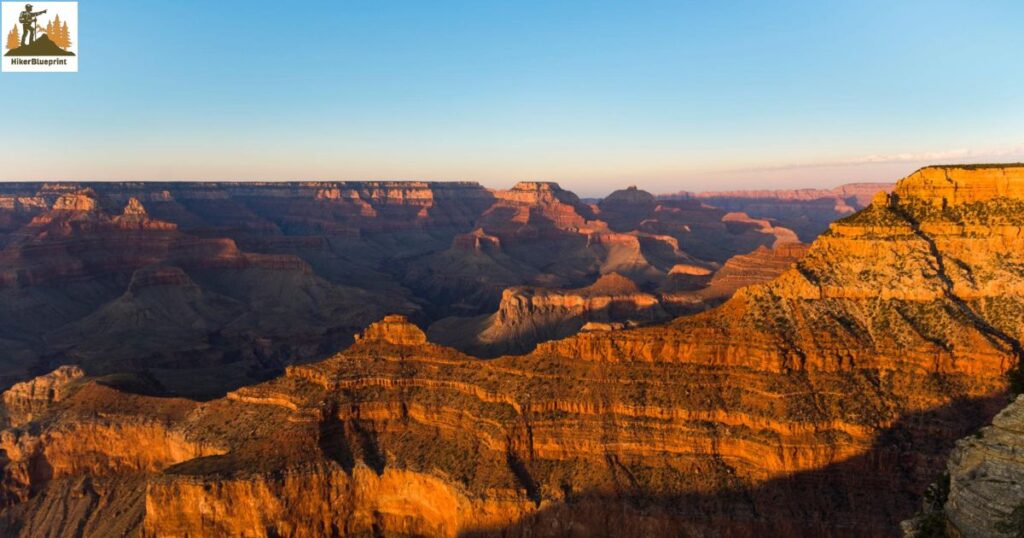
Begin your first morning at Grand Canyon Visitor Center. It’s a convenient starting point for understanding the park layout, collecting information, and accessing the main shuttle routes.
After parking, walk toward Mather Point. From there, follow the Rim Trail toward Yavapai Point, enjoying several beautiful canyon perspectives along the way.
Morning: Mather Point and Yavapai Point
Mather Point is one of the most popular viewpoints on the South Rim. Its expansive views reveal the canyon’s colorful rock layers, distant formations, and enormous scale.
Continue along the paved Rim Trail toward Yavapai Point. Stop at the Yavapai Geology Museum to learn about the canyon’s geological history and formation.
The walk between these viewpoints is approximately 0.7 miles, making it a comfortable option for most visitors.
Afternoon: Choose Your First Canyon Hike
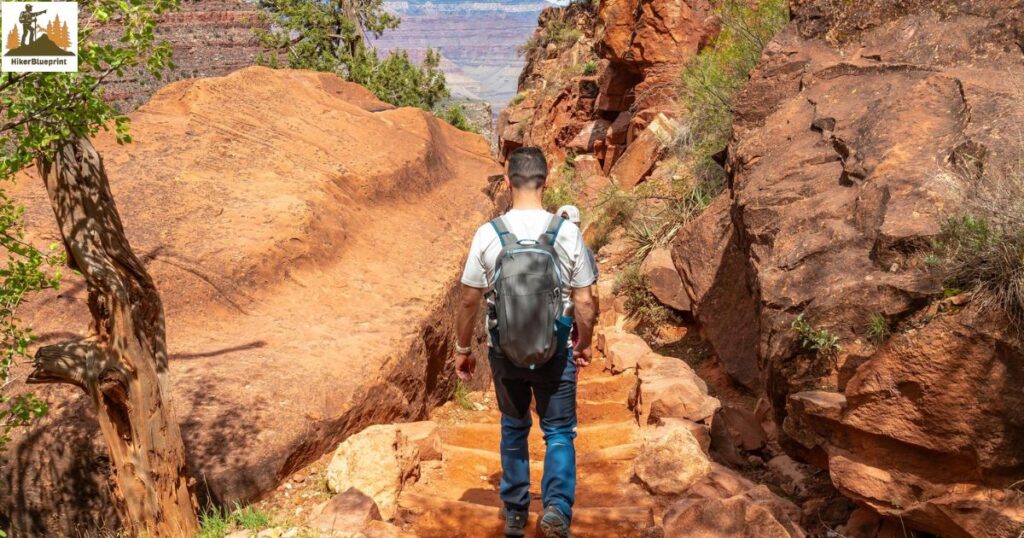
After exploring the viewpoints, consider taking a short hike below the rim. Two popular options are Bright Angel Trail and South Kaibab Trail.
| Trail | Round-Trip Distance | Elevation Change | Difficulty |
|---|---|---|---|
| Bright Angel to Mile-and-a-Half Resthouse | 3.2 miles | 1,130 feet | Strenuous |
| South Kaibab to Ooh Aah Point | 1.8 miles | 790 feet | Strenuous |
| South Kaibab to Cedar Ridge | 3 miles | 1,120 feet | Strenuous |
Distances and elevation figures are approximate. Hiking times depend on fitness, weather, and trail conditions.
Bright Angel Trail: This is a popular introduction to canyon hiking. It offers some shade, established rest areas, and seasonal water facilities. However, water availability must be confirmed before departure.
South Kaibab Trail: This route offers spectacular exposed ridgeline scenery. It has little shade and no drinking water along the trail.
For additional hiking options, explore Grand Canyon South Rim Day Hikes and check recommended Grand Canyon day-hike turnaround times before choosing your route.
Important November 2026 update: Following the August 29 flash flood, portions of both corridor trails remain affected by closures. Current NPS information identifies the Bright Angel section to Mile-and-a-Half Resthouse and South Kaibab section to Tip-Off as open. Check the latest restrictions before hiking.
Evening: Enjoy Grand Canyon Village
After returning from your hike, spend some time exploring Grand Canyon Village.
You can visit historic buildings, browse visitor shops, enjoy a meal, or relax near the canyon rim.
If you’re staying nearby, this is also a convenient time to prepare for an early sunrise the following morning.
Day 2: Sunrise, Desert View Drive, and Hermit Road
Your second day expands the sightseeing experience beyond the central village area.
Start early for sunrise, explore the eastern South Rim along Desert View Drive, and finish with the spectacular viewpoints along Hermit Road.
Morning: Watch the Sunrise at Mather Point
Mather Point and Yavapai Point are excellent sunrise locations.
Arrive before sunrise to find a comfortable viewing spot and watch the changing light illuminate the canyon’s cliffs and rock formations.
Dress warmly during colder months because early-morning temperatures can be significantly lower than afternoon temperatures.
Late Morning: Explore Desert View Drive
After sunrise, head east along Desert View Drive.
This approximately 23-mile scenic road connects Grand Canyon Village with Desert View Watchtower.
Allow around three to four hours for a relaxed round trip with several sightseeing stops.
Recommended attractions include:
- Grandview Point: Panoramic views and access to the historic Grandview Trail.
- Moran Point: Beautiful views of the canyon’s colorful geological formations.
- Tusayan Ruin and Museum: An opportunity to learn about ancestral Puebloan history.
- Lipan Point: An excellent location for viewing the Colorado River.
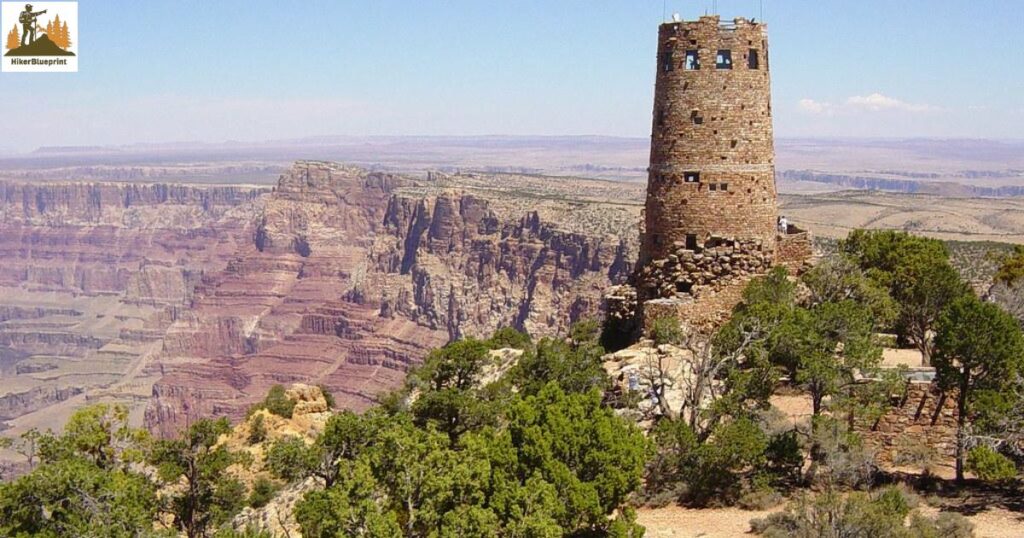
- Desert View Watchtower: A historic stone structure designed by architect Mary Colter.
Take your time at the overlooks rather than trying to stop everywhere. Each location offers a slightly different perspective.
Afternoon and Evening: Explore Hermit Road
Return toward Grand Canyon Village and spend the afternoon exploring Hermit Road.
This seven-mile scenic route features several viewpoints along the western South Rim.
Popular stops include:
- Trailview Overlook
- Maricopa Point
- Powell Point
- Hopi Point
- Mohave Point
- Pima Point
- Hermits Rest
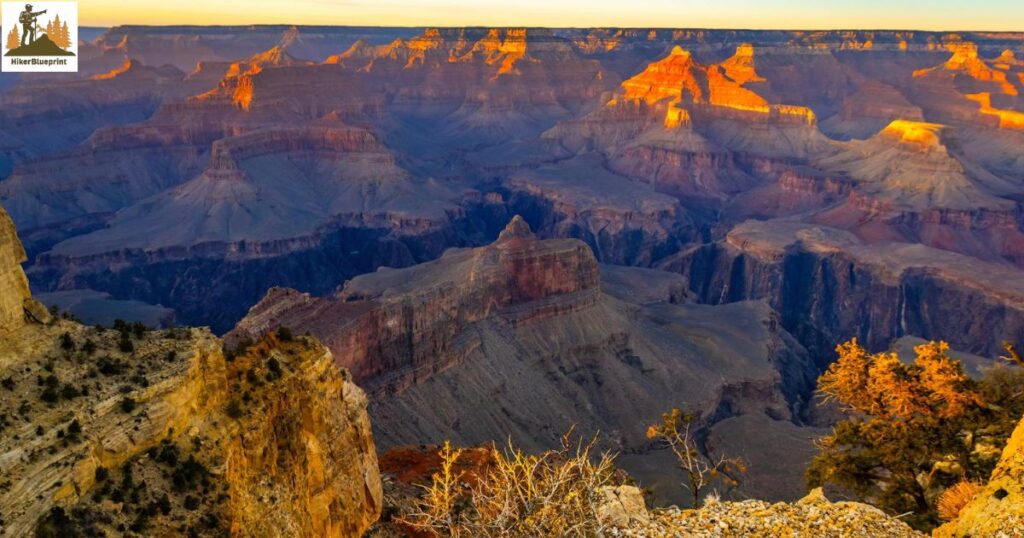
Hopi Point is particularly popular for sunset photography because of its expansive canyon views.
From March 1 through November 30, 2026, Hermit Road is closed to private vehicles. Use the free Red Route shuttle instead.
The complete shuttle journey takes approximately 80 minutes without getting off. Allow additional time for exploring individual viewpoints and waiting for buses.
Where to Stay During Your Two-Day Visit
Your accommodation choice can make a noticeable difference to your sightseeing schedule.
Grand Canyon Village
Staying inside the park offers convenient access to viewpoints, trails, restaurants, and shuttle stops.
Popular properties include El Tovar, Bright Angel Lodge, Maswik Lodge, and Yavapai Lodge.
Following the 2026 water infrastructure emergency, park lodging operations were temporarily suspended. The NPS subsequently announced resumed overnight accommodations beginning September 5. Confirm current availability before booking.
Tusayan
Tusayan is approximately seven miles south of Grand Canyon Village.
It offers hotels, restaurants, and convenient access to the South Entrance, making it a practical alternative when park accommodations are unavailable.
Williams and Flagstaff
Williams is approximately 60 miles south of the park, while Flagstaff is approximately 80 miles away.
Both offer additional accommodation and dining choices. However, staying farther away means allowing extra driving time each morning.
Essential Travel Information Before Visiting
A little preparation makes your visit considerably easier.
| Travel Detail | Information |
|---|---|
| Park access | South Rim open year-round |
| Private vehicle entrance | $35 for 7 days |
| Motorcycle entrance | $30 |
| Individual entrance | $20 |
| 2026 nonresident surcharge | Additional $100 per eligible visitor aged 16+ |
| Timed-entry reservation | Not required |
| Park shuttle | Free |
| Nearest gateway town | Tusayan |
| Distance from Flagstaff | Approximately 80 miles |
The additional nonresident fee applies to eligible international visitors aged 16 and older. Review the official NPS entrance fee information before budgeting.
Getting Around the South Rim
Free shuttle buses connect important visitor areas and scenic locations.
The main routes include:
- Blue Route: Connects Grand Canyon Village, lodges, and visitor facilities.
- Orange Route: Serves Mather Point, Yavapai Point, and South Kaibab Trailhead.
- Red Route: Connects viewpoints along Hermit Road.
- Purple Route: Provides seasonal transportation between Tusayan and the park.
The Tusayan shuttle is seasonal and is not operating in November 2026.
Check the official NPS shuttle schedules because operating times change throughout the year.
Important Safety and Planning Tips
Keep these recommendations in mind:
- Start early: Popular parking areas become busy, especially during peak travel seasons.
- Download offline maps: Cell service can be unreliable outside developed areas.
- Carry drinking water: Don’t depend entirely on trail water stations.
- Plan hiking turnaround times: Climbing out of the canyon takes considerably longer than descending.
- Check weather conditions: Summer heat, winter snow, and sudden storms can affect your plans.
- Review trail closures: Flash floods and infrastructure repairs can change hiking access.
Check the official Grand Canyon alerts and hiking conditions before starting your activities.
Frequently Asked Questions
Is two days enough to explore the South Rim?
Yes. Two days provide enough time to enjoy major viewpoints, take a short hike, explore Desert View Drive, and visit Hermit Road.
What is the best first hike at the South Rim?
Bright Angel Trail is a popular introductory option, particularly to Mile-and-a-Half Resthouse when open. Always check current trail restrictions.
Do I need a reservation to enter Grand Canyon National Park?
No timed-entry reservation is currently required. You must purchase a valid entrance pass unless eligible for an exemption.
Should I stay inside the park or in Tusayan?
Inside the park is convenient for early starts and sunrise viewing. Tusayan is a practical alternative with additional accommodation options.
What is the best month to visit the South Rim?
Spring and fall generally offer comfortable sightseeing conditions. Summer is busier and hotter, while winter brings colder temperatures and possible snow.
Conclusion
A well-planned two-day visit allows you to experience the South Rim’s most memorable attractions without spending your entire trip traveling between viewpoints.
Follow this itinerary at a comfortable pace, prioritize the experiences that interest you most, and check official park updates before departure. Most importantly, leave enough time to appreciate the canyon rather than treating every attraction like a checklist.

Ahmed Khubaib is a passionate hiker with over 10 years of experience in hiking, camping, and exploring trails solo and with kids.
He shares firsthand experiences, practical hiking tips, and trail guides to help adventurers explore the outdoors safely.