The The Narrows Trail experience in Zion National Park, Utah, is unlike a typical hike. Instead of following a dry dirt path, you walk directly through the Virgin River, surrounded by towering sandstone walls and narrow canyon passages.
You can explore for an hour or spend most of the day wading upstream. Either way, water conditions, slippery rocks, and flash-flood risks make careful planning essential.
This guide covers the route, distance, permits, equipment, best seasons, and safety information you need before visiting.
The Narrows Trail: Quick Facts
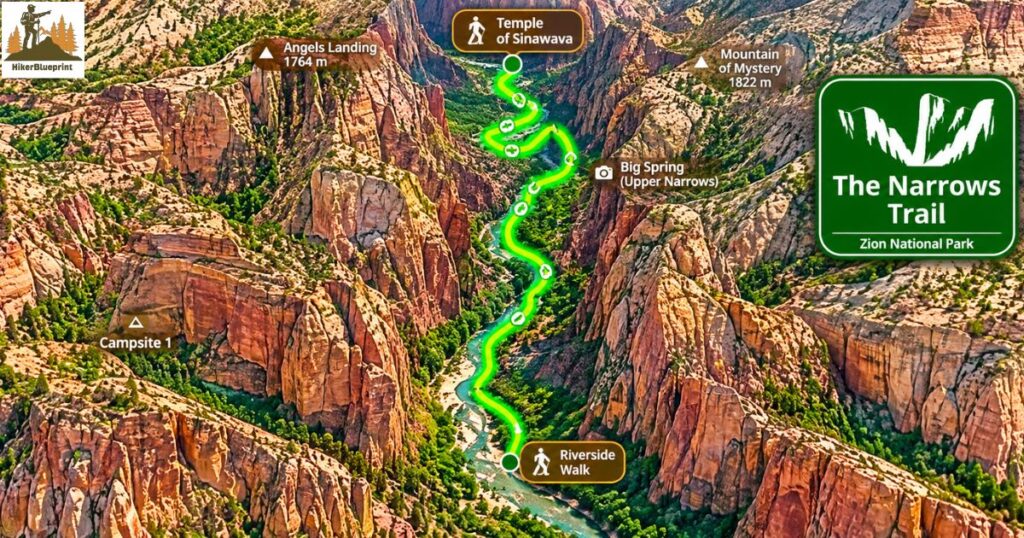
| Trail Detail | Information |
|---|---|
| Location | Zion National Park, Utah |
| Starting point | Temple of Sinawava, Shuttle Stop 9 |
| Bottom-up distance | Up to 9.4 miles round trip |
| Elevation gain | Approximately 334 feet |
| Hiking time | 1–8 hours, depending on distance |
| Difficulty | Moderate to strenuous |
| Permit | Not required for bottom-up hiking to Big Spring |
| Trail type | River hike, out and back |
| Best seasons | Summer and fall, depending on conditions |
The distance depends on how far you travel upstream. The full bottom-up route to Big Spring is a strenuous day hike, while shorter walks let you experience the canyon without committing to several hours in the river. See the official National Park Service bottom-up hiking guide for route details.
For general trip preparation, our Zion National Park Map and Zion National Park Trip Planning guides can help you organize your visit.
Where Does the Hike Start?
The hike begins at the Temple of Sinawava, at the end of Zion Canyon Scenic Drive. During shuttle operations, take the park shuttle to Stop 9. From there, follow the paved Riverside Walk for approximately one mile.
At the end of the pavement, stairs lead down to the Virgin River. This is where the actual river hike begins. You’ll walk through water, cross the river where necessary, and navigate uneven stones beneath the surface.
The Riverside Walk Trail is a good option if you want to enjoy the canyon without entering the river. You can also add the Emerald Pools Trail to a separate day in your itinerary.
Check the official Zion Canyon shuttle information before traveling because schedules change seasonally.
What Is the Hike Like?
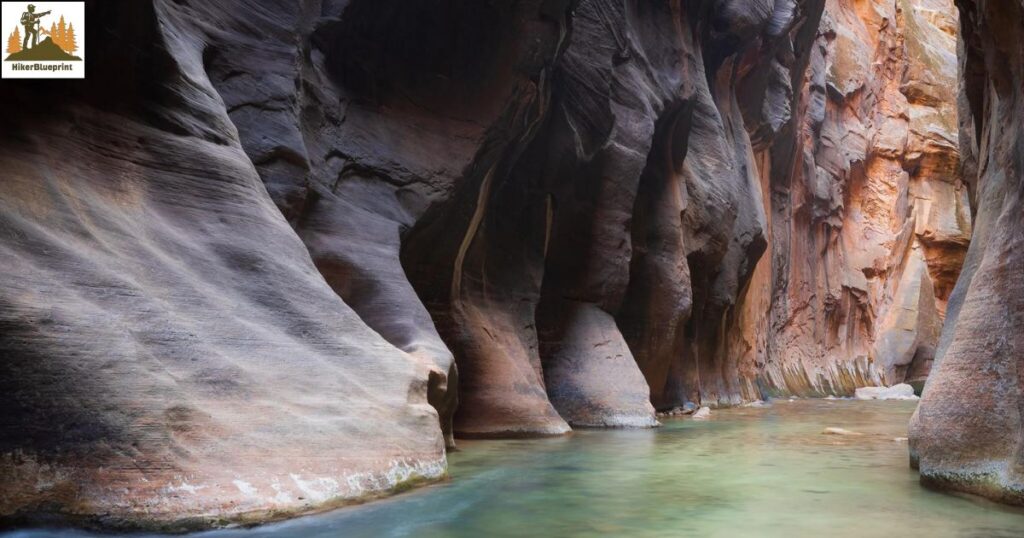
The scenery is the main attraction. As you move upstream, the canyon walls rise dramatically around you, sometimes narrowing to just a few dozen feet apart. You’ll encounter sculpted sandstone, hanging gardens, small waterfalls, and sections where the river flows between towering cliffs.
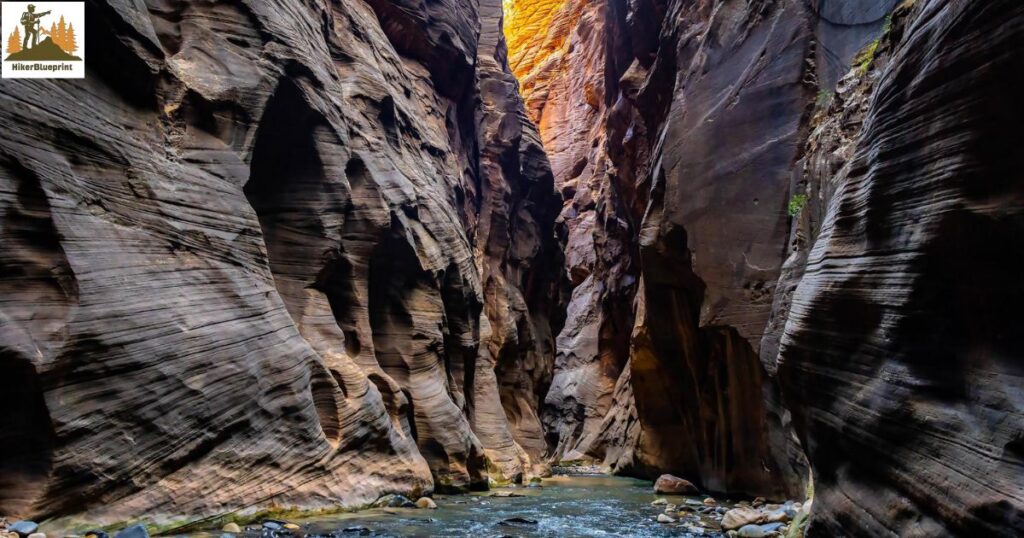
There isn’t one required viewpoint or turnaround point for the bottom-up route. You can hike for a short distance or continue toward Big Spring, provided conditions and your ability allow it.
The Narrows route becomes increasingly demanding as you travel farther upstream. River crossings, current strength, and water depth can change, so don’t judge the difficulty by distance alone.
If you’re planning other Zion adventures, consider our 7 Best Angels Landing Alternatives guide and Canyon Overlook Trail guide for very different hiking experiences.
Permits, Fees, and Access
You do not need a wilderness permit for the bottom-up hike from the Temple of Sinawava to Big Spring. However, the route has boundaries: bottom-up hikers cannot continue beyond Big Spring or more than one-quarter mile into Orderville Canyon.
The 16-mile top-down through-hike from Chamberlain’s Ranch is different. It requires a wilderness permit, and hikers must arrange transportation to the starting point. Read the official Virgin River Narrows permit information if you’re considering that route.
You must still pay the applicable Zion National Park entrance fee unless you have a valid park pass. For a broader visit, our Zion in One Day and Practical Zion Itinerary guides can help you plan around the hike.
Best Time to Hike
Summer and early fall are popular because warmer temperatures make spending time in the river more comfortable. However, summer also brings monsoon storms, which can create dangerous flash-flood conditions.
Spring runoff can raise river levels and lead to closures. Winter brings colder water and a greater risk of hypothermia. Conditions vary each year, so there is no guaranteed safe season.
What to Bring and Safety Tips
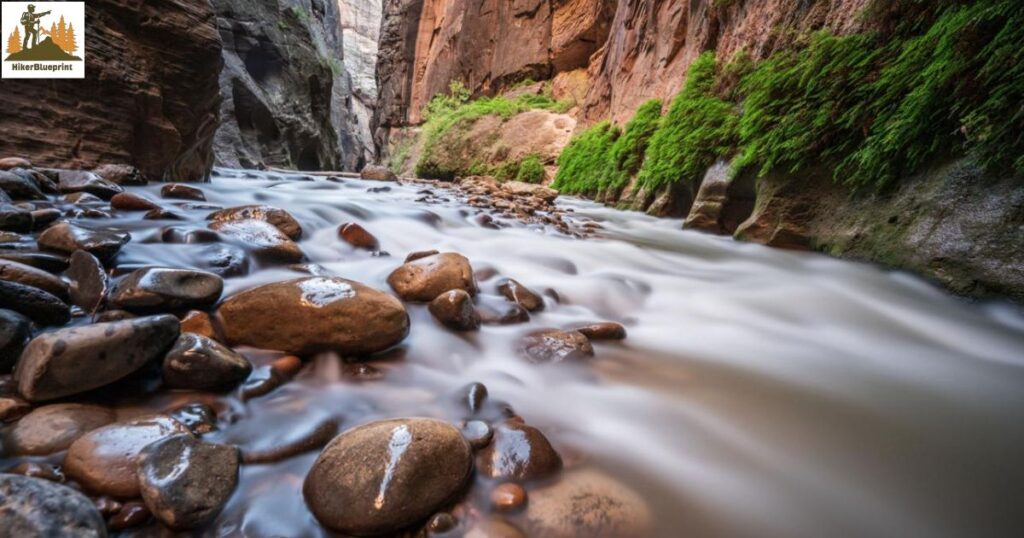
Walking through a river requires different preparation from hiking a regular trail. The rocks are slippery, water depth changes, and the current can make balancing difficult.
Bring:
- Sturdy footwear: Use shoes or boots that can get wet and protect your feet from rocks.
- A walking stick: A sturdy stick or hiking pole helps you test the riverbed.
- Quick-drying clothing: Avoid cotton, which stays wet and can contribute to heat loss.
- A dry bag: Protect your phone, keys, and other essentials.
- Food and drinking water: Don’t assume river water is safe to drink.
- Weather protection: Check forecasts and carry suitable layers.
Flash floods are the most serious hazard. A storm miles upstream can send a sudden surge through the canyon, even when the sky above you looks clear. Check the National Weather Service forecast before entering, and never hike into the river when rain or flash-flood warnings create a risk.
The Angels Landing Trail is another challenging Zion hike, but its exposed ridge presents very different hazards from river travel. Choose your route according to your experience and comfort level.
Frequently Asked Questions
Do you need a permit to hike the Narrows bottom-up route?
No. You can hike upstream from the Temple of Sinawava to Big Spring without a wilderness permit.
How long does the Narrows hike take?
It depends on how far you go. A short visit may take an hour, while the full bottom-up hike can take most of the day.
How deep is the water?
Depth varies with location and river conditions. Some sections may be ankle-deep, while others can reach the waist or deeper.
Is the Narrows hike suitable for beginners?
Shorter sections may suit reasonably fit beginners in favorable conditions, but slippery rocks and moving water make the route challenging.
Can you hike it in winter?
Yes, when the route is open, but cold water and hypothermia risks require extra preparation. Check conditions before visiting.
Final Thoughts
The The Narrows Trail offers a memorable way to experience Zion’s canyon landscape, but the river demands respect. Check water levels, weather forecasts, and park closures before leaving, and turn around while you still have plenty of energy.
If you’re exploring more of Utah, our Best Hikes in Utah guide can help you find your next outdoor adventure.

Ahmed Khubaib is a passionate hiker with over 10 years of experience in hiking, camping, and exploring trails solo and with kids.
He shares firsthand experiences, practical hiking tips, and trail guides to help adventurers explore the outdoors safely.