Planning a camping trip to Zion National Park sounds exciting until you discover that every nearby campground is booked. It happens more often than many visitors expect, particularly during spring, summer, and fall.
The good news is that Zion Camping Without Reservations is still possible with some flexibility and advance planning. You might not find a campsite inside the national park, but several alternatives can help you stay close enough to enjoy the canyon without sacrificing your entire trip.
This guide explains where to look, which camping alternatives are worth considering, how dispersed camping works, and what to do when you arrive in Springdale without a reservation. Most importantly, you’ll learn how to build a realistic backup plan rather than relying on finding an empty campsite at the last minute.
Key Takeaways
- Watchman Campground requires reservations, and walk-up campsites aren’t available.
- South Campground operates seasonally and also requires reservations.
- Private campgrounds around Springdale, Virgin, and Hurricane provide convenient alternatives.
- Hurricane Cliffs offers designated first-come, first-served dispersed campsites.
- Not every public-land area permits overnight camping, so verify land boundaries and restrictions.
- Overnight backpacking inside Zion Wilderness requires a wilderness permit.
- Staying outside the park and entering early can still give you an excellent Zion experience.
Zion Camping Without Reservations: Understanding Your Options

Before looking for alternative campsites, understand how camping works inside Zion National Park.
The park has three developed campgrounds: Watchman Campground, South Campground, and Lava Point Campground. Each operates under its own reservation and seasonal schedule.
According to the National Park Service, reservations are required for all three developed campgrounds. During the busy season, availability can become extremely limited.
Here’s a quick comparison.
| Campground | Location | Operating Season | Reservation Policy |
|---|---|---|---|
| Watchman Campground | Near the South Entrance | Year-round | Required |
| South Campground | Near the South Entrance | Seasonal | Required |
| Lava Point Campground | Kolob Terrace Road | Seasonal | Required |
Watchman Campground
Watchman Campground is one of the most convenient places to stay because it’s located approximately a quarter-mile from Zion’s South Entrance.
The campground has 184 sites, including tent sites, RV sites, and group camping areas. Some sites offer electrical hookups.
Standard campsite reservations can be made up to six months ahead, while group sites have a longer booking window.
One important detail: first-come, first-served sites aren’t available at Watchman.
Therefore, arriving early doesn’t guarantee a campsite. You need a confirmed reservation before setting up.
You can check availability through the official Watchman Campground reservation information.
South Campground
South Campground is another convenient option near the park’s southern entrance.
It reopened on May 29, 2026, following rehabilitation work. The National Park Service announced that reservations would be available through Recreation.gov, with bookings opening up to 14 days before arrival.
However, South Campground operates seasonally, so don’t assume it’s open throughout November and winter.
Its shorter booking window can make it worth checking when your travel dates are approaching.
If you’re researching South Campground Zion, always check its current operating status before driving to Zion.
Lava Point Campground
Lava Point offers a different camping experience away from the busy main canyon.
Located along Kolob Terrace Road, it’s approximately an hour’s drive from Zion Canyon.
This primitive campground is better suited to visitors comfortable with basic facilities and more remote surroundings.
Its seasonal operating schedule depends on road and weather conditions. It isn’t a dependable winter backup.
For visitors considering this location, check the park’s official campground information before making the drive.
My recommendation: Don’t build your entire trip around finding an unreserved campsite inside Zion. Consider the alternatives outside the park before you arrive.
7 Best Alternatives for Zion Camping Without Reservations
When the park’s developed campgrounds are full, you have several other possibilities.
The right choice depends on your budget, vehicle, camping equipment, arrival time, and willingness to drive.
| Camping Option | Best For | Main Advantage | Main Limitation |
|---|---|---|---|
| Hurricane Cliffs | Tent campers and flexible travelers | Designated first-come sites | Limited facilities |
| Private campgrounds | Families and beginners | Bathrooms and established sites | Camping fees |
| Virgin area | Convenient overnight stays | Reasonable access to Zion | Availability varies |
| Hurricane area | Budget-conscious travelers | More accommodation choices | Additional driving |
| East Zion | Visitors exploring the eastern region | Different scenery and quieter surroundings | Longer drive to the main canyon |
| Kolob Terrace area | Experienced outdoor travelers | Remote surroundings | Seasonal access |
| Nearby lodging | Late arrivals | Predictable accommodation | Higher potential cost |
Let’s look at these alternatives individually.
Hurricane Cliffs Designated Dispersed Camping Area
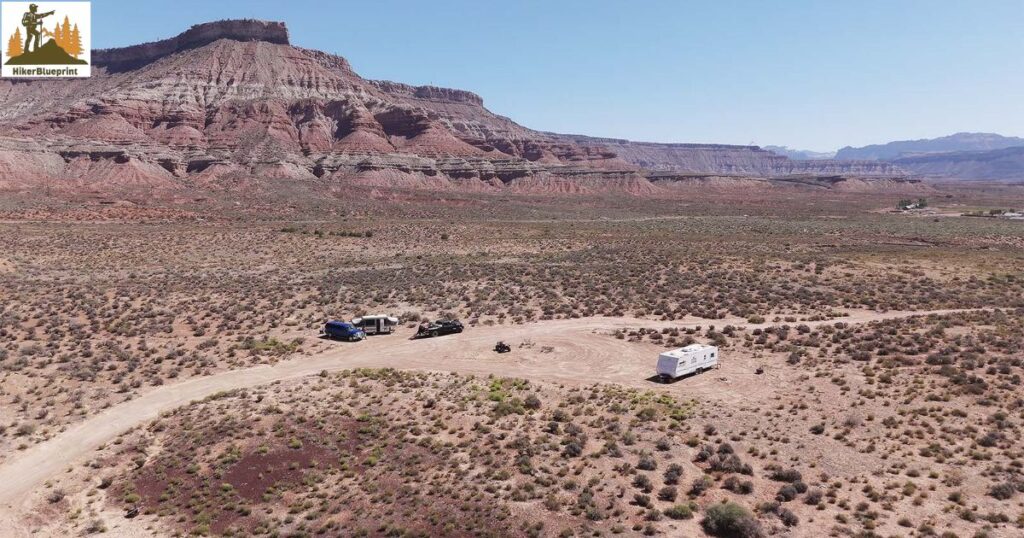
Hurricane Cliffs is one of the most useful alternatives to investigate when searching for Zion Camping Without Reservations.
Managed by the Bureau of Land Management, this recreation area provides designated dispersed camping sites outside Zion National Park.
Unlike completely undeveloped camping areas, Hurricane Cliffs has numbered campsites marked with placards and metal fire rings.
According to the BLM, the area has 56 designated sites.
Important details:
- Camping is first-come, first-served.
- The maximum stay is 14 days within a 28-day period.
- Not every campsite accommodates RVs or trailers.
- Restrooms are available near selected trailheads.
- Wet weather can make local roads difficult or impassable.
The area is particularly attractive to visitors who have their own tents and don’t need full campground facilities.
However, don’t confuse first-come, first-served access with guaranteed availability. Popular sites can fill quickly.
Before leaving for the area, review the official BLM Hurricane Cliffs camping information.
Private Campgrounds Near Springdale

If you want convenience, private campgrounds are often the simplest alternative.
Springdale sits immediately outside Zion’s South Entrance, making it an excellent base for visitors who want quick access to the main canyon.
Private campgrounds generally provide more developed facilities than dispersed camping locations.
Depending on the property, you may find:
- Restrooms and showers.
- Electrical hookups.
- Drinking water.
- Tent and RV sites.
- Laundry facilities.
- On-site staff.
These facilities are particularly useful for families, first-time campers, and travelers arriving late.
However, private campgrounds can also become fully booked during popular travel periods.
For Zion Camping Without Reservations, I recommend calling before arriving rather than assuming a website’s general availability information guarantees a site.
Ask about same-day cancellations, tent availability, RV restrictions, and late check-in policies.
Camping Around Virgin, Utah
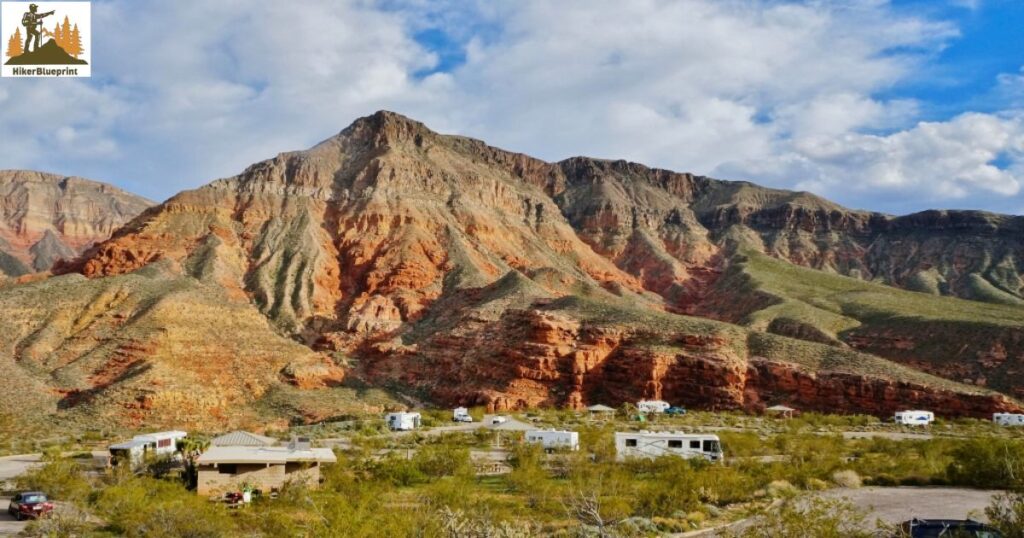
Virgin is another location worth considering.
This small community lies west of Springdale and provides access to several outdoor recreation areas.
Its location makes it a reasonable alternative for visitors who cannot find accommodation directly beside Zion’s entrance.
You may find private camping facilities and other overnight accommodation options in the surrounding area.
The main advantage is flexibility.
Instead of limiting your search to Springdale, expand it to Virgin and nearby communities.
Before choosing a property, check its actual driving distance to the South Entrance. Travel time can vary with traffic, road conditions, and your exact location.
Look for Camping Around Hurricane, Utah
Hurricane offers another useful accommodation search area.
It’s farther from Zion’s main canyon than Springdale, but it provides access to additional lodging, RV parks, and outdoor recreation facilities.
For visitors on a tighter budget, expanding the search to Hurricane can make a meaningful difference.
It’s also worth considering if you’re traveling with an RV and need electrical hookups or other facilities.
Remember that the cheapest campsite isn’t necessarily the best option.
Calculate the additional driving, fuel costs, and time you’ll spend getting to the park each morning.
Explore East Zion Camping Alternatives
East Zion provides a different landscape from the busy main canyon.
The region features sandstone formations, open desert scenery, and access to several outdoor recreation areas.
If your itinerary includes eastern Zion, this can be a convenient alternative to staying near Springdale.
However, visitors planning to spend most of their time hiking in the main canyon should consider the additional driving involved.
Check road access carefully, particularly during winter weather or after heavy rainfall.
Also, don’t assume that every open area or roadside pullout is a legal campsite.
Consider Kolob Terrace Road
Kolob Terrace Road offers access to a quieter part of the Zion region.
The area is particularly appealing to visitors who prefer remote landscapes and fewer developed facilities.
Lava Point Campground is located along this road, although its seasonal operating schedule means it isn’t always available.
Outside developed camping facilities, visitors must verify land ownership and applicable camping restrictions.
Some areas are managed by different agencies, and camping permissions can change depending on the location.
For Zion Camping Without Reservations, this is an option best suited to people comfortable with independent trip planning.
Don’t head into remote areas without checking road conditions, weather, water availability, and camping regulations.
Choose a Nearby Hotel or Motel
Sometimes the smartest camping alternative isn’t camping at all.
If you arrive late and every suitable campsite is occupied, consider booking a motel, hotel, or other legitimate accommodation.
This option can be especially valuable when temperatures drop or when you’re traveling with children.
You can still wake up early, enter Zion, and spend the day hiking.
A comfortable night’s sleep is often worth more than several hours spent searching unfamiliar roads for a possible campsite.
Is Dispersed Camping Near Zion Legal?
Yes, dispersed camping is permitted in certain public-land areas surrounding Zion, but it isn’t allowed everywhere.
The distinction matters because public land isn’t automatically available for overnight camping.
The Bureau of Land Management and the U.S. Forest Service manage different areas under different regulations.
Some locations allow dispersed camping, while others have designated sites, seasonal restrictions, or complete camping closures.
Understanding BLM Dispersed Camping Rules
BLM land is often attractive to budget-conscious campers because many areas permit overnight stays without developed campground facilities.
However, you must follow the rules for the specific recreation area.
General considerations include:
- Camp only where overnight camping is permitted.
- Follow posted signs and designated-site requirements.
- Use existing durable surfaces.
- Avoid damaging desert vegetation and biological soil crusts.
- Respect local stay limits.
- Pack out all trash.
- Follow current fire restrictions.
The standard BLM dispersed-camping stay limit is generally 14 days within a 28-day period, although local rules can differ.
For Zion Camping Without Reservations, check the relevant field office’s current regulations rather than relying on older camping blogs.
Why You Shouldn’t Camp in Random Parking Areas
Sleeping in a vehicle doesn’t automatically make an overnight stay legal.
National parks, private businesses, public parking areas, and highway pullouts have different rules.
Zion doesn’t allow visitors to use ordinary parking areas or roadside pullouts as unauthorized overnight campsites.
Likewise, an empty dirt road doesn’t necessarily mean you’re on land where camping is permitted.
When you’re uncertain, choose an established campground or legitimate accommodation.
How to Find a Legal Dispersed Campsite
Finding a suitable site requires more than opening a map and choosing an empty-looking location.
Follow these steps before heading out.
- Identify the land manager. Determine whether the location is BLM land, national forest land, state land, private property, or national park land.
- Check camping permissions. Review the agency’s official website for designated sites, closures, and restrictions.
- Confirm road access. Some dirt roads become difficult or impassable following rainfall.
- Check the weather. Desert storms can create dangerous flash-flood conditions.
- Arrive during daylight. You’ll have a much easier time identifying the campsite, checking the surroundings, and setting up safely.
- Carry sufficient water. Don’t assume dispersed campsites have drinking-water facilities.
- Have another option. If the area is full or inaccessible, move to your next planned location.
A little preparation can prevent a stressful evening.
How to Plan Zion Camping Without Reservations Successfully
Having a backup location is only half the job.
You also need to organize your arrival, transportation, and hiking schedule so that sleeping outside the park doesn’t ruin your experience.
Here’s a practical approach.
Step 1: Check Campground Availability Before Leaving
Don’t wait until you reach Springdale to start looking.
Check Watchman Campground and South Campground through their official reservation systems.
Watchman generally opens reservations six months ahead, while South Campground has a much shorter booking window.
Also look for cancellations.
If someone changes their travel plans, a previously unavailable campsite may become available.
However, don’t assume cancellations will happen.
Step 2: Contact Nearby Campgrounds
Make a short list of private campgrounds in Springdale, Virgin, and Hurricane.
Call them directly and ask whether they have availability for your arrival date.
Confirm the following:
- Is a tent site available?
- Are RV sites available?
- What is the total nightly cost?
- Are bathrooms and showers available?
- Can you check in late?
- Are pets allowed?
- Is there a minimum stay?
These questions help avoid unpleasant surprises.
Step 3: Prepare Two Backup Locations
For Zion Camping Without Reservations, having only one alternative is risky.
Your first choice might be a private campground near Springdale.
Your second might be a legal designated dispersed camping area farther away.
If both are unavailable, identify a nearby hotel or motel.
This approach gives you flexibility without requiring an endless nighttime search.
Step 4: Plan Your Morning Around Park Access
One advantage of staying outside the park is that you can still enjoy Zion’s main hiking areas.
However, you should plan your morning carefully.
During much of the year, the Zion Canyon Scenic Drive is accessible only through the park shuttle system.
The shuttle generally operates from the Visitor Center and stops at major locations along the canyon.
Check the official Zion shuttle and transportation information before traveling.
Arriving early helps you avoid some parking and transportation delays.
Step 5: Pack Before Going to Sleep
If you’re staying outside the park, organize your hiking equipment the previous evening.
Prepare:
- Drinking water.
- Snacks and breakfast.
- Hiking footwear.
- Weather-appropriate clothing.
- Sunscreen and sunglasses.
- A headlamp.
- A fully charged phone.
- A paper or offline navigation map.
This small routine saves time the following morning.
Best Zion Hikes to Enjoy After Camping Outside the Park
Staying outside Zion doesn’t mean you need to compromise on the hiking experience.
You can still explore some of the park’s most recognizable trails.
Here are several options worth considering.
| Hiking Trail | Approximate Round-Trip Distance | Difficulty | Elevation Gain |
|---|---|---|---|
| Pa’rus Trail | 3.5 miles | Easy | Minimal |
| Riverside Walk | 2.2 miles | Easy | Approximately 57 feet |
| Lower Emerald Pools | 1.2 miles | Easy | Approximately 150 feet |
| The Watchman Trail | 3.3 miles | Moderate to strenuous | Approximately 368 feet |
Routes and access can change, so check the official park trail information before hiking. The Watchman Trail was listed as closed on Zion hiking trails and current access information.; verify its current status before planning around it.
Important Safety Tips for Camping Outside Zion
Camping outside the park can offer more flexibility, but it also means taking responsibility for your surroundings.
Desert environments can be less forgiving than many first-time visitors expect.
Carry Enough Drinking Water
Water availability is one of the biggest considerations when camping around Zion.
Some dispersed camping areas have no potable water, showers, or other facilities.
Carry enough water for drinking, cooking, and basic hygiene.
Never assume that a nearby stream or spring provides safe drinking water.
Watch for Flash Floods
Flash floods are a serious hazard throughout southern Utah.
A storm several miles away can send dangerous water into a dry wash or narrow canyon.
Avoid camping in washes, drainage channels, and other low-lying areas.
Check weather forecasts and National Weather Service warnings before entering narrow canyons.
Follow Fire Restrictions
Fire rules change depending on weather, vegetation conditions, and local restrictions.
A metal fire ring doesn’t automatically mean fires are permitted.
Check current restrictions before using a campfire or charcoal grill.
When restrictions prohibit open fires, follow them.
Prepare for Temperature Changes
Zion’s desert climate can produce significant differences between daytime and nighttime temperatures.
Summer brings intense heat, while spring and fall can have chilly nights.
Winter camping requires additional preparation for freezing temperatures and changing weather.
Bring appropriate sleeping equipment and clothing for the forecast conditions.
Respect Wildlife
Keep food and scented items secured.
Never feed wildlife or approach animals for photographs.
Store food properly and follow the camping area’s wildlife guidance.
Can You Camp Overnight Inside Zion’s Backcountry Without a Reservation?
This is an important distinction.
Front-country camping and wilderness camping are different activities.
If you want to sleep overnight in Zion’s backcountry, you need a wilderness permit.
The National Park Service requires permits for overnight backpacking trips, overnight climbing bivouacs, and certain technical canyon trips.
Some popular routes, including an overnight trip through The Narrows, have additional permit requirements.
Understanding Wilderness Permit Fees
According to the National Park Service’s current permit information, overnight wilderness permits have the following fees:
| Fee Type | Cost |
|---|---|
| Overnight permit fee | $20 |
| Per-person fee | $7 per person per night |
These fees are subject to change.
Some permits and campsites have advance reservation opportunities, while remaining spaces may be available through in-person first-come, first-served procedures.
However, a walk-in permit isn’t guaranteed.
You can review the official Zion Wilderness permit requirements and fees before planning an overnight route.
Remember that a wilderness permit isn’t a substitute for a developed campground reservation. It authorizes a specific backcountry trip under the conditions stated on the permit.
Common Mistakes to Avoid When Camping Near Zion
Even experienced travelers can make poor decisions when campground availability becomes limited.
Here are some mistakes worth avoiding.
- Assuming Watchman has walk-up sites. All Watchman sites require reservations. Don’t arrive expecting to claim an empty campsite.
- Depending entirely on free camping. Dispersed camping locations have restrictions and limited capacity. Always prepare another option.
- Arriving after dark without a plan. Finding legal campsites becomes more difficult when you cannot clearly identify roads and boundaries.
- Ignoring seasonal closures. South Campground and Lava Point operate seasonally. Verify their status before traveling.
- Assuming every public road allows camping. Road access and camping permission are two different things.
- Underestimating driving time. A cheaper campsite farther away may require additional fuel and an earlier departure.
- Forgetting water and sanitation. Primitive campsites rarely provide the facilities found at developed campgrounds.
- Ignoring current park alerts. Rockfalls, flash floods, road closures, and trail repairs can affect your itinerary.
Frequently Asked Questions
Can you camp in Zion National Park without a reservation?
No walk-up campsites are available at Watchman. Reservations are required at the park’s developed campgrounds.
Where can I camp for free near Zion?
Hurricane Cliffs has designated first-come, first-served BLM camping sites. Check current restrictions and availability before traveling.
Is sleeping in your car allowed near Zion?
It depends on the specific location. You cannot assume that parking areas, roadside pullouts, or private parking lots permit overnight stays.
What is the closest alternative to Watchman Campground?
Private campgrounds in Springdale are among the closest alternatives. Availability and facilities vary by property.
Can I arrive at Hurricane Cliffs without a reservation?
Yes. Its designated campsites operate on a first-come, first-served basis, but availability isn’t guaranteed.
Do I need a permit for dispersed camping near Zion?
Not necessarily. Ordinary dispersed camping on permitted public land generally doesn’t require a Zion Wilderness permit. However, local land-management rules still apply.
Is November a good month for camping near Zion?
November can be a pleasant time to visit, but nights can become cold. Check campground operating schedules, weather forecasts, and road conditions before leaving.
Final Thoughts
Finding a campsite at the last minute doesn’t have to end your Zion adventure. Zion Camping Without Reservations becomes much easier when you expand your search beyond the national park and understand the alternatives available around Springdale, Virgin, and Hurricane.
My strongest recommendation is to prepare at least two legal backup locations before leaving home. Check official camping rules, confirm availability, and avoid relying on roadside parking or unverified dispersed camping spots. With a little flexibility, you can still enjoy Zion’s incredible scenery and hiking opportunities without securing the perfect campsite months in advance.
You may also like this:
2-Day Zion National Park Itinerary: The Perfect First-Timer’s Guide
Zion Travel Tips: How to Plan a Smooth First Trip to Zion National Park
Olympic National Park Hiking Itinerary: The Best 2-, 3-, and 4-Day Plans for Beginners

Ahmed Khubaib is a passionate hiker with over 10 years of experience in hiking, camping, and exploring trails solo and with kids.
He shares firsthand experiences, practical hiking tips, and trail guides to help adventurers explore the outdoors safely.