Finding a quiet place to camp outside Zion National Park can make a Utah road trip more affordable and flexible. But the rules around public land have changed, especially along the busy SR-9 corridor.
The good news is that Dispersed Camping Near Zion is still possible in designated areas managed by the Bureau of Land Management (BLM). The important difference is that you can no longer assume every familiar roadside spot is open for overnight camping.
This guide explains where to look, which rules matter, how to prepare, and what to check before driving down a dirt road after sunset.
Key Takeaways
- No random overnight camping inside Zion National Park: Use an established campground or obtain a wilderness permit for an eligible backpacking trip.
- Hurricane Cliffs is a designated option: The BLM manages 56 numbered, first-come, first-served sites there.
- The SR-9 rules are changing: A BLM management project approved in March 2026 establishes designated sites and restricted camping areas.
- Check the land boundary: Nearby public land, private property, and restricted areas can sit close together.
- Expect primitive conditions: Most dispersed sites do not provide drinking water, garbage collection, or developed campground facilities.
- The standard BLM stay limit is generally 14 days in 28 days: Local restrictions may be more specific.
- Road conditions matter: Mud, loose surfaces, and steep dirt roads can make some sites unsuitable for ordinary cars or trailers.
Where Is Dispersed Camping Near Zion Actually Allowed?
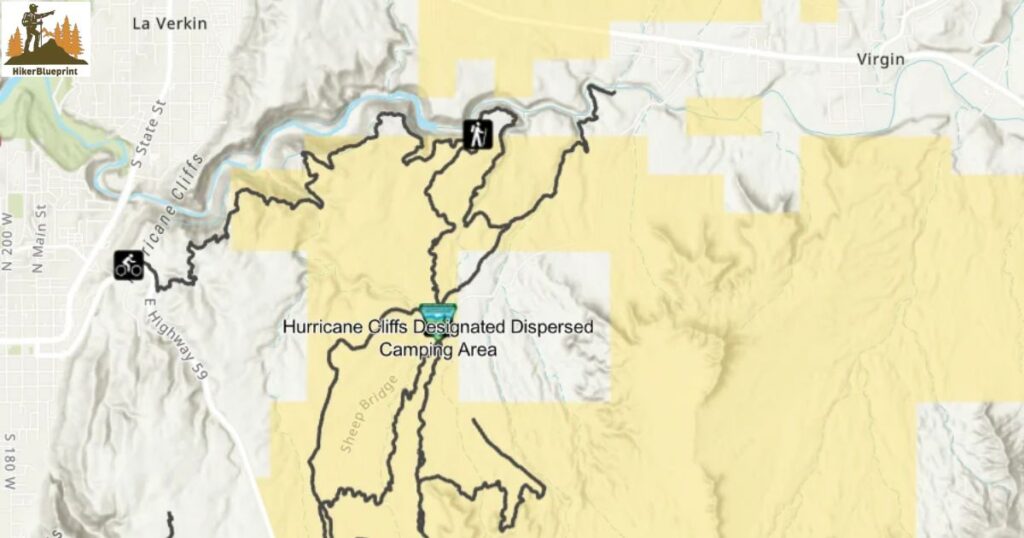
The first thing to understand is that Zion National Park and the public lands surrounding it have different camping rules. The National Park Service manages the park, while the BLM manages many nearby public-land recreation areas.
That distinction matters. A dirt pullout outside the park entrance isn’t automatically public land, and public land isn’t automatically open to camping. Before choosing a spot, identify the land manager, check the current restrictions, and follow posted signs.
Hurricane Cliffs Designated Dispersed Camping Area
For a clearly identified option, start with Hurricane Cliffs. The BLM officially manages this recreation area and limits camping to 56 designated sites. Each site has a numbered marker and a metal fire ring.
Sites are available on a first-come, first-served basis, with no camping fee listed by the BLM. The standard stay limit is 14 days within a 28-day period. However, not every site can accommodate an RV or camping trailer.
| Feature | Hurricane Cliffs |
|---|---|
| Land manager | Bureau of Land Management |
| Designated sites | 56 |
| Reservation | First-come, first-served |
| Camping fee | No fee listed |
| Stay limit | 14 days within 28 days |
| Fire rings | Metal rings at designated sites |
| Restrooms | At nearby trailheads |
| Drinking water | Do not expect a supply at your site |
| RV access | Varies by individual site |
| Accessibility | No accessible facilities listed by BLM |
The BLM directs visitors to access the area primarily through Utah State Highways 59 and 9, east of Hurricane. Because access varies by campsite, use the agency’s map rather than relying on a dropped pin from an old camping review.
Before leaving, check the official Hurricane Cliffs designated camping information and map. If you’re bringing a trailer, contact the St. George Field Office at 435-688-3200 to ask about current access and site suitability.
Other BLM Land Along the SR-9 Corridor
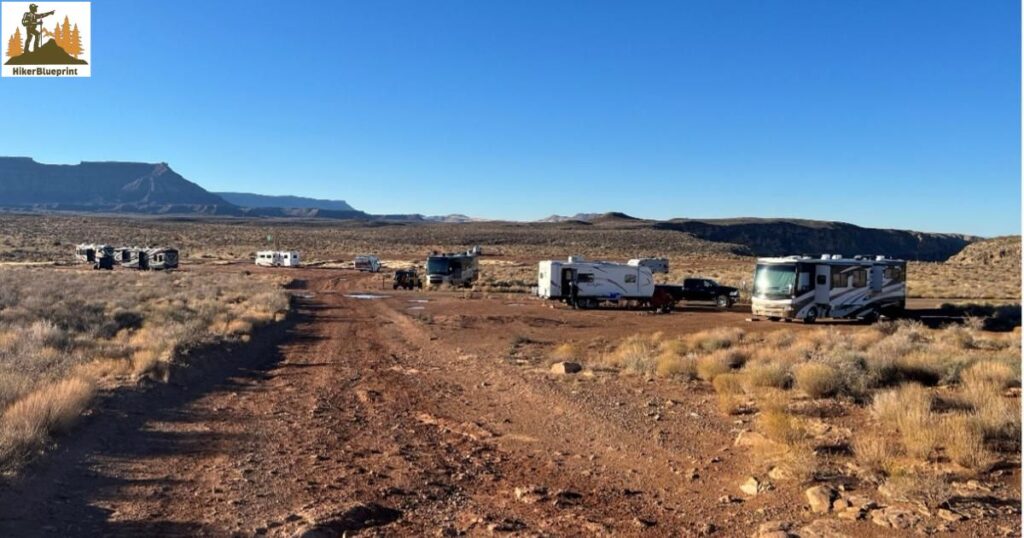
Public land west of Zion has attracted campers for years. Areas around the Hurricane and Virgin communities have been popular because they offer access to the park without paying for a developed campground.
However, the BLM has introduced a more structured approach. Its SR-9 Campground Management Project, approved on March 23, 2026, covers public lands along the highway corridor between Hurricane and the Zion gateway.
The approved project includes plans for two new campgrounds, designated dispersed campsites, a trailhead and event staging area, and areas where camping will be limited to designated sites. It also includes restoration of places affected by previous camping activity.
This is an important change for anyone researching Dispersed Camping Near Zion using older blog posts or social media recommendations. A location that appeared open in a previous year may now be restricted, closed, or subject to designated-site rules.
The project approval does not mean every planned facility or campsite is necessarily open for use already. Check the BLM project page and current local notices before treating a proposed site as an available campsite.
Sheep Bridge Road and Nearby Dirt-Road Areas
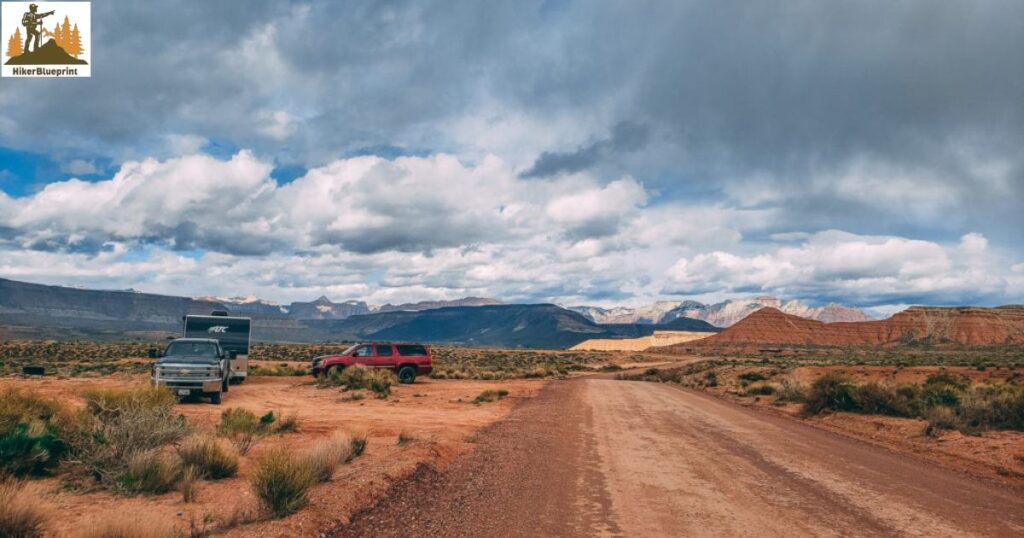
Sheep Bridge Road is another name you’ll encounter when researching camping and recreation around the Zion gateway. It connects SR-59 east of Hurricane with SR-9 near Virgin and crosses BLM-managed land.
But don’t mistake a public road for permission to camp anywhere along it. The road is unpaved, has a substantial elevation change, and includes steep sections. The Utah Department of Transportation does not recommend it as an alternate route for large vehicles.
If you’re considering a campsite in this general area, confirm that the exact location is on land where camping is permitted. Check for signs, closures, and designated-site requirements before setting up.
A useful rule: If you cannot confirm the land manager and camping status, keep driving until you can. A beautiful view is not worth a trespassing citation or an unsafe overnight stay.
What Changed in 2026? Understanding the SR-9 Camping Project
The most important recent development for Dispersed Camping Near Zion is the BLM’s SR-9 Campground Management Project.
The agency approved its decision in March 2026 after completing an environmental assessment. The project responds to growing camping demand and damage associated with unmanaged overnight use.
Its approach includes both new camping opportunities and tighter controls. Some areas will have designated sites, while other locations will be restricted to designated camping only. Previously impacted areas may also be restored.
What Does This Mean for Campers?
It means you should stop relying on broad descriptions such as “free camping west of Zion.” Instead, check the specific location against the current BLM maps and restrictions.
Keep these points in mind:
- Designated sites mean designated sites: If an area requires camping in marked spots, don’t create another site nearby.
- A project proposal isn’t an open campground: Confirm that a facility or site has actually opened before planning to use it.
- Old coordinates can be misleading: A pin saved several years ago may point to a restricted area or private property.
- Closures take priority: Follow current signs and agency instructions even if an older guide says camping is allowed.
The official BLM project page is the best place to follow project documents and updates. It’s especially useful if you’re planning a return visit and want to know whether management has changed since your last trip.
Rules You Need to Know Before Setting Up Dispersed Camping
BLM land can offer a more flexible camping experience than a developed campground, but dispersed camping comes with responsibilities. The rules also vary by location, so don’t assume a statewide guideline overrides a local restriction.
The 14-Day Camping Limit
BLM Utah’s general dispersed-camping guidance sets a 14-day limit at a campsite. The agency’s broader camping guidance describes a general limit of 14 days within a 28-day period, although specific field-office rules can differ.
For the Hurricane Cliffs designated area, the BLM specifically lists a limit of 14 days within 28 days.
Don’t treat this as permission to occupy public land indefinitely by moving a short distance down the road. Follow the local instructions about where you must relocate after reaching the limit.
Stay on Legal Roads and Previously Used Sites
One of the easiest ways to damage desert terrain is to drive around looking for a better view. The soil may look like ordinary dirt, but fragile biological soil crusts can take years to recover after disturbance.
When camping on BLM land:
- Use designated roads and routes.
- Camp only in permitted, previously disturbed areas or marked sites.
- Don’t drive across vegetation or undisturbed desert soil.
- Don’t dig trenches, level ground, or build new fire rings.
- Keep vehicles and camping equipment within the allowed site area.
- Never block gates, access roads, or livestock operations.
These rules are especially important around high-use recreation areas near Zion.
Fire Restrictions and Campfires
A metal fire ring at a campsite does not automatically mean a fire is allowed that day. Fire restrictions can change with drought, wind, and local wildfire conditions.
At Hurricane Cliffs, the BLM says campfires are permitted in the steel fire rings only, subject to current restrictions. Never build a new fire ring or leave a fire unattended.
Before your trip, check the current BLM Utah fire restrictions and any local fire-prevention orders. If restrictions prohibit wood fires, use only an allowed alternative, such as a stove, where permitted.
What Facilities Should You Expect in Dispersed Camping?
The biggest adjustment for first-time dispersed campers is the lack of services. You won’t have the convenience of a developed campground just because a site is popular.
At Hurricane Cliffs, the BLM identifies restrooms at nearby Sheep Bridge Trailhead, Jem Trailhead, and Virgin Dam Trailhead. It also advises campers to use those facilities or bring a portable toilet.
| Facility | What to expect |
|---|---|
| Drinking water | Bring your own |
| Toilets | Nearby trailhead restrooms; portable toilet recommended |
| Showers | Not provided at dispersed sites |
| Electricity | Not provided |
| Dump station | Not provided at the dispersed sites |
| Trash collection | Pack out your waste |
| Picnic tables | Don’t assume they are available |
| Fire rings | Metal rings at designated Hurricane Cliffs sites |
| Cell service | Coverage can be unreliable |
For a comfortable stay, bring enough water for drinking, cooking, and basic hygiene. Carry extra if you’re traveling with children, pets, or a group.
Plan your toilet arrangements before arriving. Don’t leave toilet paper, wipes, food scraps, or other waste behind. If you use a portable toilet or approved waste-bag system, pack out the waste according to local requirements.
Getting There: Roads, Vehicles, and Weather
The right campsite can become the wrong choice if your vehicle can’t reach it safely. Some public-land roads around Zion are rough, unpaved, or exposed to changing weather.
Can You Reach the Sites in a Regular Car?
Some designated sites may be accessible to ordinary passenger vehicles, but access varies. The BLM says all Hurricane Cliffs sites are suitable for tent camping, while not all can accommodate RVs or trailers.
Don’t assume a campsite is suitable just because a map shows a road leading to it. Look for recent official access information and contact the land manager if you have doubts.
A high-clearance vehicle may be helpful on rough roads, but four-wheel drive does not make every route safe. Avoid driving on wet, muddy surfaces. If your tires begin leaving deep ruts, turn around.
What About RVs and Travel Trailers?
RVs and trailers need extra planning. Check the individual site dimensions, turning space, road surface, and approach before setting out.
Sheep Bridge Road is not recommended by UDOT as an alternate route for large vehicles. If you’re towing a trailer, don’t use it as a shortcut without checking the route and your vehicle’s limitations.
Also remember that the Zion-Mount Carmel Highway has separate restrictions for oversized vehicles. Those restrictions affect travel through the park, not just access to dispersed campsites. Check the latest NPS large-vehicle rules if your route includes that highway.
Seasonal Road Conditions
Spring and fall are popular times for camping near Zion, but weather can still affect access. Rain can turn dirt roads slippery, while winter conditions may bring snow or ice at higher elevations.
Summer brings intense desert heat. That means more water, shade planning, and careful attention to vehicle and equipment conditions.
Before departure, check:
- Local weather forecasts and wind conditions.
- BLM alerts and fire restrictions.
- Current road conditions from UDOT.
- Seasonal closures and access notices.
- Whether your planned campsite is still open.
Best Time for Dispersed Camping Near Zion
For many visitors, spring and fall offer the most comfortable balance of daytime temperatures and cooler nights. These seasons are also popular with hikers, so expect competition for convenient sites.
Summer can be very hot, especially in exposed areas without shade. If you camp during warmer months, arrive prepared for high temperatures and avoid strenuous outdoor activity during the hottest part of the day.
Winter can be quieter, but cold nights, snow, and icy roads may affect access. Some higher-elevation routes close seasonally. Check conditions rather than assuming a road will remain open year-round.
Whatever season you choose, try to arrive well before dark. You’ll have more time to identify the correct site, inspect the road, and set up without rushing.
A Practical Checklist Before You Leave for Dispersed Camping
A little preparation makes Dispersed Camping Near Zion much easier, especially when you’re staying somewhere without facilities.
Navigation and Legal Access
- Download an offline map before leaving reliable cell coverage.
- Check the official BLM map and confirm the land boundary.
- Verify that camping is allowed at the exact location.
- Read posted signs when you arrive.
- Save the St. George Field Office phone number: 435-688-3200.
Water, Food, and Waste
- Bring all drinking and cooking water.
- Carry a portable toilet or an appropriate waste system.
- Pack garbage bags and take all trash with you.
- Store food securely and don’t leave scraps outdoors.
- Avoid washing dishes or personal items near natural water sources.
Vehicle and Camping Equipment
- Check tires, spare tire, and basic recovery equipment.
- Carry a flashlight or headlamp.
- Bring warm layers even if daytime temperatures are high.
- Pack a first-aid kit and extra drinking water.
- Use a stove only when permitted and in a safe location.
- Have a backup campground in case designated sites are full.
Common Mistakes to Avoid
A few small decisions can turn a simple camping trip into a frustrating one. These are the mistakes worth avoiding.
- Trusting old camping coordinates: Rules and boundaries change. Verify the current status rather than relying on a saved pin.
- Assuming every BLM road allows camping: A road crossing public land doesn’t give you permission to camp beside it. Check the specific restrictions.
- Arriving after dark: It is harder to identify numbered sites, read signs, and assess road conditions at night.
- Bringing a large trailer without checking access: Not all designated sites can accommodate RVs or trailers. Confirm the route and site before leaving pavement.
- Leaving waste behind: Pack out trash and follow proper human-waste practices. Desert environments do not quickly hide or absorb careless camping impacts.
- Ignoring fire restrictions: Always check current orders. If you’re unsure whether a fire is allowed, don’t light one.
How to Plan a Zion Trip Around Dispersed Camping
A dispersed campsite outside the park can be a useful base, but remember that you’ll still need to plan your daily park access.
Start by choosing a legal campsite and confirming the driving route to Zion’s entrance. Then check park conditions, entrance information, shuttle operations, and any activity-specific permits you need.
If you want a developed campground instead, compare the park’s South Campground Zion and other established options. A Zion National Park Camping Guide can help you understand the differences between park campgrounds, private campgrounds, and public-land camping.
If you’re visiting during a busy period, don’t assume a dispersed site will be available when you arrive. Have a backup reservation or another confirmed legal place to stay. Planning Zion Camping Without Reservations requires flexibility, but it should never mean taking a chance on an unapproved roadside spot.
Families may also want to review Zion National Park With Kids before choosing a remote camping location. A site without water, toilets, or nearby services may be less convenient with young children.
FAQs About Dispersed Camping Near Zion
Can you camp for free near Zion National Park?
Yes. Some BLM-managed dispersed camping areas, including Hurricane Cliffs, list no camping fee. Check local restrictions before setting up.
Can you sleep in your car inside Zion National Park?
No. Overnight vehicle camping is not allowed in random park pullouts or parking areas. Use a developed campground or an authorized backcountry site.
Does Hurricane Cliffs require reservations?
No. Its 56 designated sites are listed as first-come, first-served. Arrive with a backup plan because availability is not guaranteed.
Are RVs allowed at Hurricane Cliffs?
Some sites may accommodate RVs or trailers, but not all do. Contact the BLM field office to confirm access and suitability.
How long can you stay on BLM land near Zion?
The general limit is usually 14 days within a 28-day period, but local rules may differ. Follow the specific limit posted for your camping area.
Are campfires allowed near Zion?
They may be allowed in designated fire rings when restrictions permit. Check current fire orders before lighting a fire.
Is dispersed camping allowed inside Zion National Park?
Vehicle-based dispersed camping is not allowed. Overnight wilderness camping is possible only in approved areas with the required permit.
Conclusion
Dispersed Camping Near Zion can be a rewarding way to stay close to southern Utah’s red-rock country without booking a traditional campground. But the best trip starts with knowing exactly where camping is allowed. Hurricane Cliffs is a clearly identified BLM option, while other areas along the SR-9 corridor may have new designated-site or closure requirements.
Check the latest BLM maps, confirm road access, bring your own water and waste system, and leave the site as you found it. A little planning helps protect the landscape and gives you a much better start to your Zion visit.
You may also like this:
Grand Canyon South Rim Day Hikes: Realistic Time Plans for Every Experience Level
Acadia Jordan Pond Loop Guide: Trail Details, South Bubble & Bubble Rock Tips
Zion National Park Trip Planning: How to Plan an Unforgettable Visit

Ahmed Khubaib is a passionate hiker with over 10 years of experience in hiking, camping, and exploring trails solo and with kids.
He shares firsthand experiences, practical hiking tips, and trail guides to help adventurers explore the outdoors safely.