The Hidden Valley Trail is one of the most enjoyable short hikes in Joshua Tree National Park. Surrounded by enormous granite boulders, distinctive Joshua trees, and desert vegetation, this scenic loop offers an excellent introduction to the park’s unique landscape.
Despite its short distance, the hike delivers plenty of interesting scenery. You’ll discover fascinating rock formations, interpretive signs, and a valley with an unusual history involving cattle rustlers.
Key Takeaways
- One-mile loop with approximately 100 feet of elevation gain.
- Easy difficulty, suitable for most casual hikers.
- Features impressive granite formations and Joshua trees.
- Usually takes 30–60 minutes to complete.
- No hiking reservation or separate trail permit required.
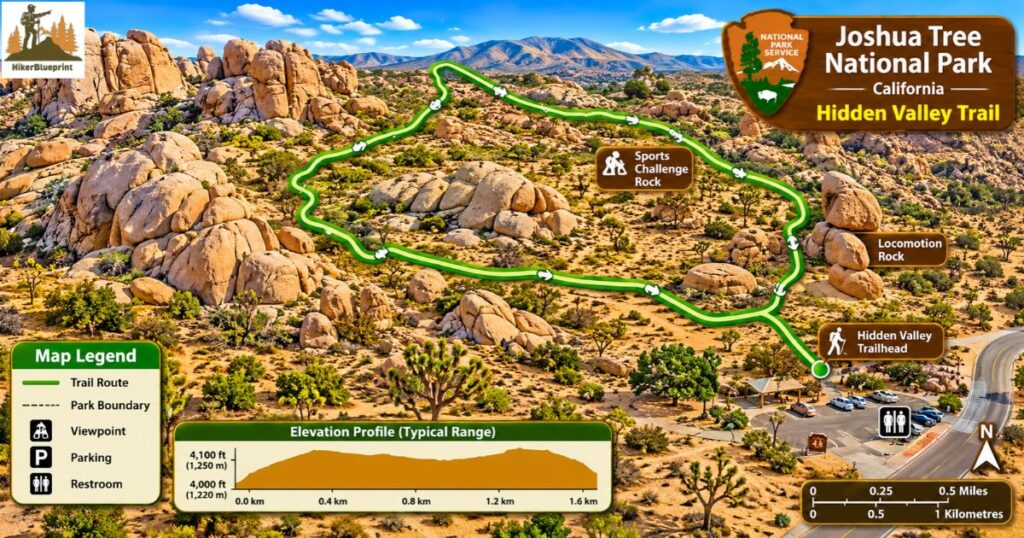
Hidden Valley Trail: Quick Overview
Here’s a quick look at the essential hiking information before you visit.
| Trail Information | Details |
|---|---|
| Location | Joshua Tree National Park, California |
| Distance | 1 mile round trip |
| Trail Type | Loop |
| Elevation Gain | Approximately 100 feet |
| Difficulty | Easy |
| Hiking Time | 30–60 minutes |
| Trail Surface | Dirt, sand, gravel, and rocks |
| Trailhead | Hidden Valley Picnic Area |
| Best Season | Fall, winter, and spring |
| Parking | Available at trailhead |
| Restrooms | Vault toilets |
| Reservations | Not required |
| Pets | Not allowed |
The National Park Service provides these trail measurements and describes the route as an easy nature hike.
Where Is Hidden Valley Trail Located?
The trail is located in the central portion of Joshua Tree National Park, along Park Boulevard. Its trailhead sits beside the Hidden Valley Picnic Area, opposite Hidden Valley Campground.
From the West Entrance near Joshua Tree, follow Park Boulevard into the park. Continue toward the Hidden Valley parking area, following the roadside signs.
The trailhead is easy to identify, with a parking area, information boards, and restroom facilities nearby.
Before driving, check our Joshua Tree National Park Map guide to understand the park’s roads and surrounding attractions.
What Makes This Hike Special?
The main attraction is the valley itself. Massive granite formations create a natural enclosure around the walking route, giving the landscape a completely different character from the surrounding open desert.
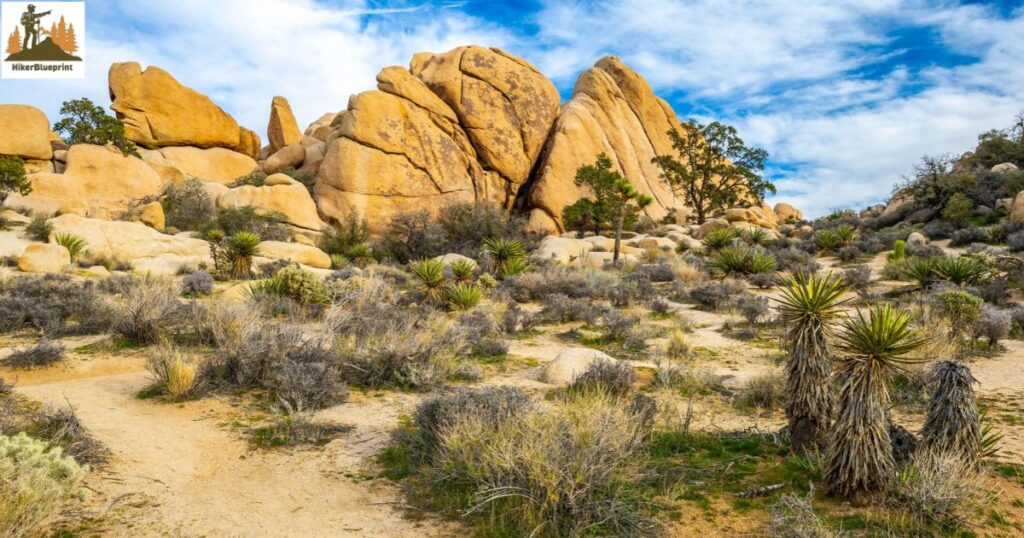
As you follow the loop, you’ll encounter clusters of Joshua trees, desert shrubs, unusual rock shapes, and small interpretive displays explaining the area’s natural environment.
The Famous Cattle Rustler History
Hidden Valley has an interesting story behind its name. Local history and park interpretation describe how cattle rustlers reportedly used the enclosed valley to hide stolen livestock during the late 1800s and early 1900s.
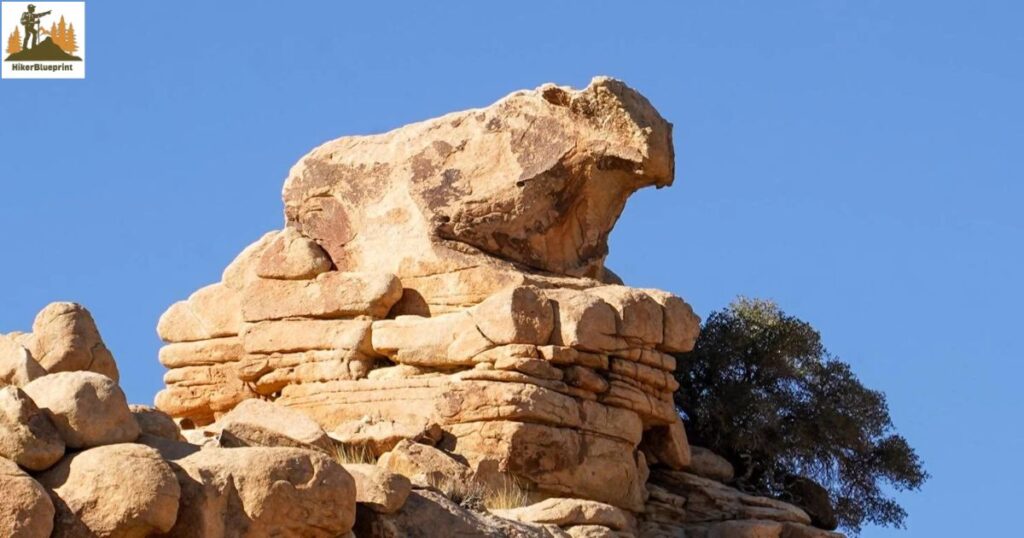
The surrounding rock walls created a natural hiding place, making the valley difficult to spot from the surrounding landscape.
You’ll also find Cow Rock, a distinctive formation resembling a cow overlooking the valley. Look toward the surrounding rock walls as you explore.
Granite Formations and Rock Climbing
The enormous boulders surrounding the valley are among its most impressive features. Their unusual shapes, weathered surfaces, and narrow passages create excellent photography opportunities.
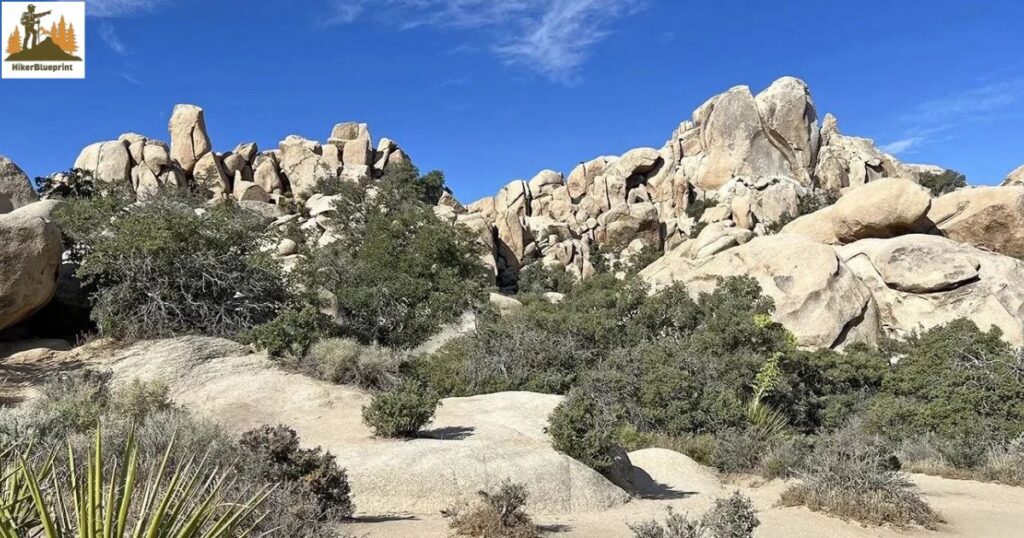
The area is also popular with rock climbers. You may see climbers working on nearby granite formations while walking through the valley.
Stay on the established hiking route and avoid disturbing climbing activities.
What Is the Hiking Experience Like?
The route follows a circular path around the enclosed valley. Most of the walking is relatively gentle, although the trail includes uneven ground, sandy sections, gravel, and occasional stone steps.
At the beginning and end, you’ll encounter some rock steps that require careful footing. The rest of the route passes through the valley’s natural landscape, with plenty of opportunities to stop and appreciate the scenery.
Allow around 30–60 minutes for the complete loop. Visitors interested in photography or examining the interpretive signs may want additional time.
Best Time to Visit Hidden Valley Trail
Fall, winter, and spring generally provide the most comfortable hiking conditions.
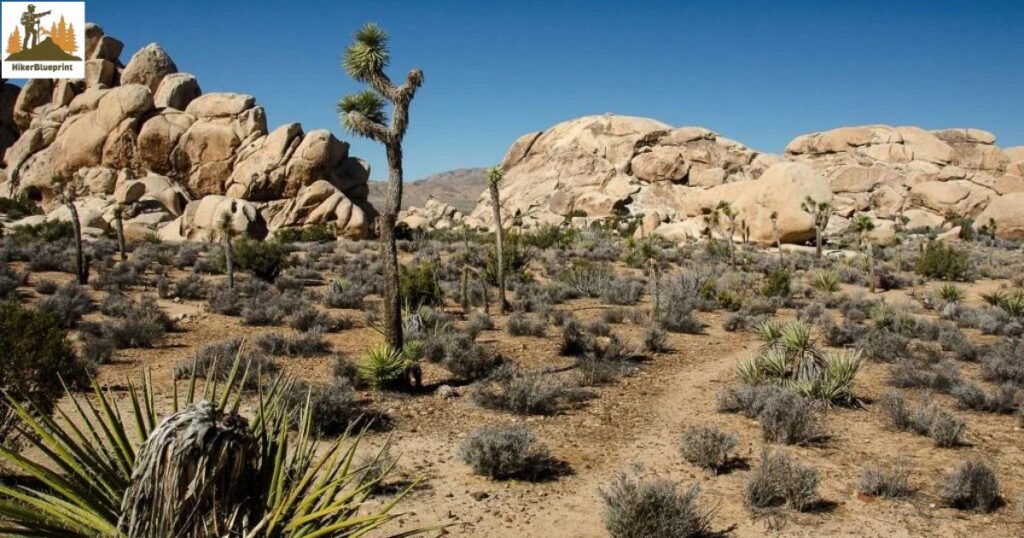
- Spring (March–May): Pleasant temperatures and opportunities to see desert wildflowers.
- Fall (October–November): Comfortable weather and excellent conditions for exploring.
- Winter (December–February): Cooler temperatures and occasional chilly mornings.
- Summer (June–September): Extreme heat makes exposed hiking potentially dangerous.
The trail has very little shade. During summer, the National Park Service recommends starting short hikes before 9 a.m.
Parking, Entrance Fees, and Trail Access
The Hidden Valley Picnic Area has parking, accessible parking spaces, and vault toilets. However, parking can fill quickly during weekends, holidays, and spring.
There is no separate hiking permit or advance reservation requirement. Visitors must have a valid Joshua Tree National Park entrance pass.
A standard private vehicle entrance pass currently costs $30 and covers seven consecutive days. Check the official entrance fees and passes before visiting.
The trail itself is not wheelchair accessible because of its uneven surface, rock steps, and other obstacles. Although accessible parking and restroom facilities are available, these should not be confused with an accessible hiking route.
Important Tips Before Hiking
Although short and relatively easy, the desert environment requires preparation.
- Carry drinking water because there is no water available at the trailhead.
- Wear comfortable walking shoes with good traction.
- Bring sunscreen, sunglasses, and a hat.
- Avoid hiking during extreme heat.
- Watch your footing around rocks and uneven surfaces.
- Keep a safe distance from wildlife.
- Stay on established paths to protect fragile desert vegetation.
Cell service is limited or unavailable along the trail, so download useful maps before arriving.
Other Hiking Trails Near Hidden Valley
If you have additional time, consider exploring these nearby Joshua Tree hiking destinations:
- Ryan Mountain Trail: A challenging summit hike with panoramic desert views.
- Barker Dam Trail: An easy nature walk featuring historic water infrastructure.
- Skull Rock Trail: A short route featuring a distinctive skull-shaped boulder.
- Arch Rock Trail Joshua Tree: A scenic walk to a naturally formed granite arch.
You can also explore our guide to the Best Hikes in California for more outdoor adventures.
Frequently Asked Questions
How long does the hike take?
Most visitors complete the one-mile loop in approximately 30–60 minutes, depending on their walking pace and sightseeing stops.
Is this hike suitable for children?
Yes. Its short distance and easy overall difficulty make it a popular family-friendly option. However, supervise children around boulders and rock steps.
Are dogs allowed?
No. Pets aren’t permitted on hiking trails inside Joshua Tree National Park. Service animals are allowed under NPS requirements.
Is the trail open year-round?
The route is listed as a year-round hiking opportunity, but weather conditions and temporary closures can affect access.
Do you need a reservation?
No advance reservation is required for this hike. You do need a valid park entrance pass.
Final Thoughts
The Hidden Valley Trail offers an excellent opportunity to experience Joshua Tree’s remarkable desert scenery without committing to a long or strenuous hike. Its enormous granite formations, interesting history, and relatively easy walking route make it a worthwhile stop for first-time visitors and returning hikers alike.
Plan your visit during cooler weather, arrive early when possible, and take time to appreciate the valley’s unusual landscape.
You may also like this:
Joshua Tree National Park One-Day Itinerary: The Perfect First-Timer’s Guide

Ahmed Khubaib is a passionate hiker with over 10 years of experience in hiking, camping, and exploring trails solo and with kids.
He shares firsthand experiences, practical hiking tips, and trail guides to help adventurers explore the outdoors safely.