One day in Joshua Tree National Park is enough to experience its famous desert scenery, unusual rock formations, and beautiful sunset views. You don’t need to tackle a demanding hike or spend the entire day driving. A well-planned route can fit several memorable stops into a relaxed visit.
This Joshua Tree One-Day Itinerary focuses on short walks, scenic drives, convenient viewpoints, and a practical sunset plan. It also leaves room for lunch, photography, and unexpected discoveries along the way.
Key Takeaways
- Arrive before 8 a.m. to improve your chances of finding parking at popular trailheads.
- Start with Hidden Valley and Barker Dam before exploring the central park area.
- Visit Skull Rock and Arch Rock for classic Joshua Tree scenery.
- Save the afternoon for the scenic drive and Cholla Cactus Garden if time allows.
- Don’t depend entirely on Keys View for sunset because parking can become extremely limited.
- Bring plenty of water, food, sun protection, and offline navigation.
Joshua Tree One-Day Itinerary at a Glance
This route works best for first-time visitors entering through the West Entrance near the town of Joshua Tree. If you’re staying in Twentynine Palms, you can also enter through the North Entrance and adjust the order of stops.
| Time | Stop | Suggested time |
|---|---|---|
| 7:30–8:00 a.m. | Enter the park and drive toward Hidden Valley | 30 minutes |
| 8:00–9:00 a.m. | Hidden Valley Nature Trail | 1 hour |
| 9:15–10:00 a.m. | Barker Dam Trail | 45 minutes |
| 10:15–11:00 a.m. | Skull Rock and nearby boulders | 45 minutes |
| 11:00 a.m.–12:00 p.m. | Jumbo Rocks and picnic lunch | 1 hour |
| 12:00–1:00 p.m. | Arch Rock area | 1 hour |
| 1:00–3:30 p.m. | Scenic drive and optional Cholla Cactus Garden | 2.5 hours |
| 3:30–4:30 p.m. | Return toward the central park area | 1 hour |
| Before sunset | Cap Rock or Keys View, depending on conditions | 1 hour |
| After sunset | Optional stargazing | 30–60 minutes |
Important: These are planning windows, not guaranteed travel times. Parking, traffic, trail conditions, and your starting entrance can change the schedule. The park is larger than it may look on a map, so avoid adding too many stops.
Morning: Explore Joshua Tree’s Famous Rock Formations
The morning is the best time to enjoy popular trails. Temperatures are usually more comfortable, and arriving early gives you a better chance of finding a parking space.
1. Start at Hidden Valley Nature Trail
Suggested time: 8:00–9:00 a.m.
Hidden Valley is one of the best introductions to Joshua Tree National Park. This easy 1-mile loop passes through a natural valley surrounded by impressive granite boulders and desert vegetation.
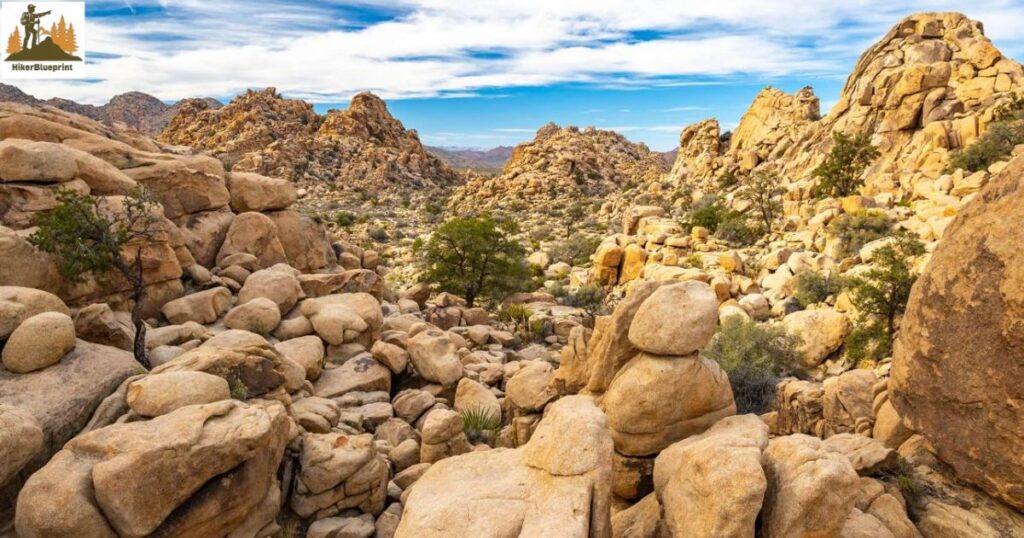
The trail takes approximately one hour at a relaxed pace. You’ll see Joshua trees, interesting rock formations, and small spaces between the boulders that make the area fun to explore.
It’s a good choice for beginners and families who want to experience the park without committing to a long hike. If you enjoy this landscape, consider exploring our Hidden Valley Trail Joshua Tree, guide for more details.
Quick trail facts:
- Distance: 1 mile loop
- Elevation gain: Approximately 100 feet
- Difficulty: Easy
- Estimated time: Around 1 hour
Arrive early because Hidden Valley is a popular stop, especially during weekends and spring travel season. The National Park Service recommends visiting popular areas before the busiest hours.
2. Walk the Barker Dam Trail
Suggested time: 9:15–10:00 a.m.
Barker Dam is another excellent short walk. Its 1.1-mile loop combines desert scenery, granite boulders, native plants, and a historic water-storage structure built during the area’s ranching period.
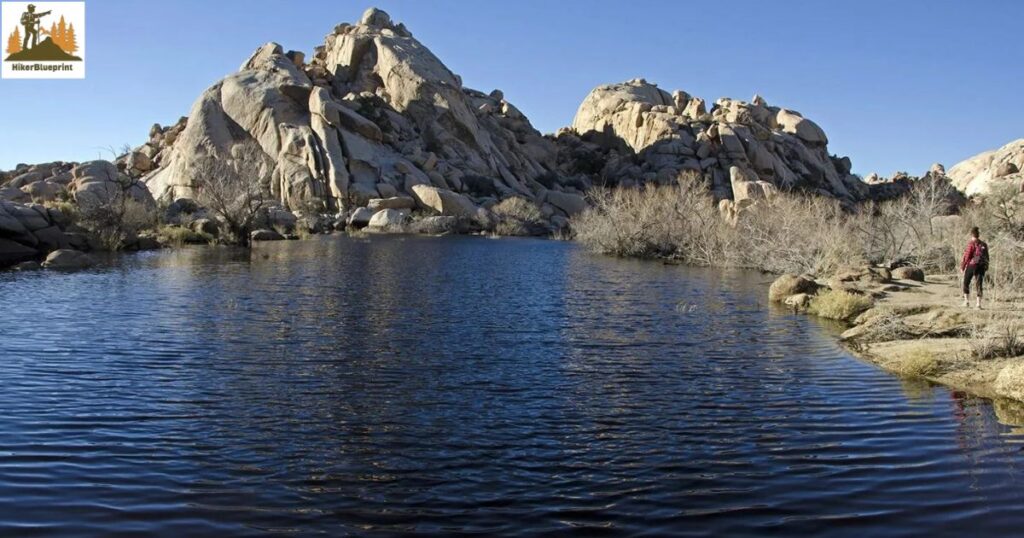
The trail is generally easy, with approximately 50 feet of elevation gain. Allow 30–45 minutes, or longer if you want to stop for photographs.
Water levels at Barker Dam depend on rainfall. You might find a small pool after a wet season, but don’t expect water every time you visit.
If you want more route information, our Barker Dam Trail guide is a useful next stop. Stay on the marked route and observe any rock art from a respectful distance.
3. Stop at Skull Rock
Suggested time: 10:15–11:00 a.m.
Skull Rock is one of the park’s most recognizable roadside attractions. Natural weathering has shaped the granite into a formation that resembles a human skull.
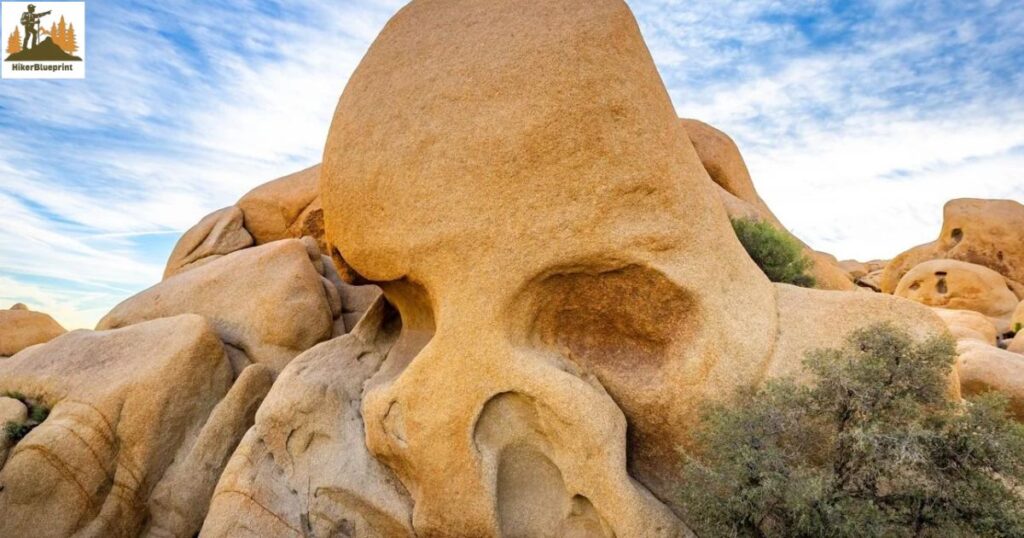
You can see the main rock from the road, but a short walk around the surrounding boulder landscape makes the stop more enjoyable.
The nearby Skull Rock Trail offers an easy way to explore beyond the main viewing area. If you have extra time, follow part of the Discovery Trail for a longer look at the surrounding desert terrain.
This is a convenient stop for visitors who want memorable scenery without a strenuous hike.
Midday: Explore Jumbo Rocks and Arch Rock
By late morning, you’ll have already experienced two short nature trails and one of the park’s most famous rock formations. Use the middle of the day for a slower pace.
4. Take a Break at Jumbo Rocks
Suggested time: 11:00 a.m.–12:00 p.m.
Jumbo Rocks is a landscape of enormous granite boulders, narrow passages, and unusual rock shapes. It’s an excellent place to enjoy the scenery without following a demanding trail.
Find a designated picnic area, eat lunch, and take a short walk around the boulders where permitted. The surrounding scenery is particularly interesting for photography.
Bring your own food because there are no restaurants or food services inside the park. The National Park Service also advises visitors to arrive with enough drinking water and fuel for their visit.
5. Visit Arch Rock
Suggested time: 12:00–1:00 p.m.
Arch Rock is another highlight worth including in your Joshua Tree One-Day Itinerary. This natural granite arch sits among a collection of boulders in the White Tank area.
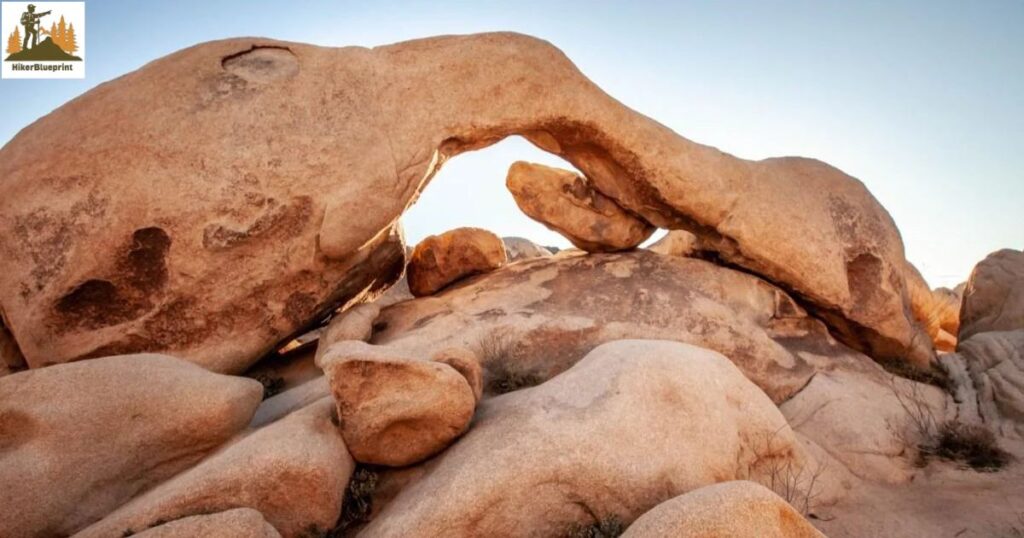
The commonly used route begins near Twin Tanks and follows a short desert path toward the rock formation. Allow time to find parking, walk the route, and explore the surrounding area.
The arch itself is a popular photography subject. However, avoid climbing on fragile formations or walking over vegetation to find a better angle.
For more information about the route, see our Arch Rock Trail Joshua Tree guide.
Afternoon: Choose a Scenic Drive or Extra Desert Stop
The afternoon is a good time to slow down. Rather than adding several demanding hikes, choose a scenic drive and one additional attraction.
6. Drive Toward the Cholla Cactus Garden
Suggested time: 1:00–3:30 p.m., including driving and stops
The Cholla Cactus Garden offers a completely different landscape from the granite boulder areas around Hidden Valley and Jumbo Rocks.
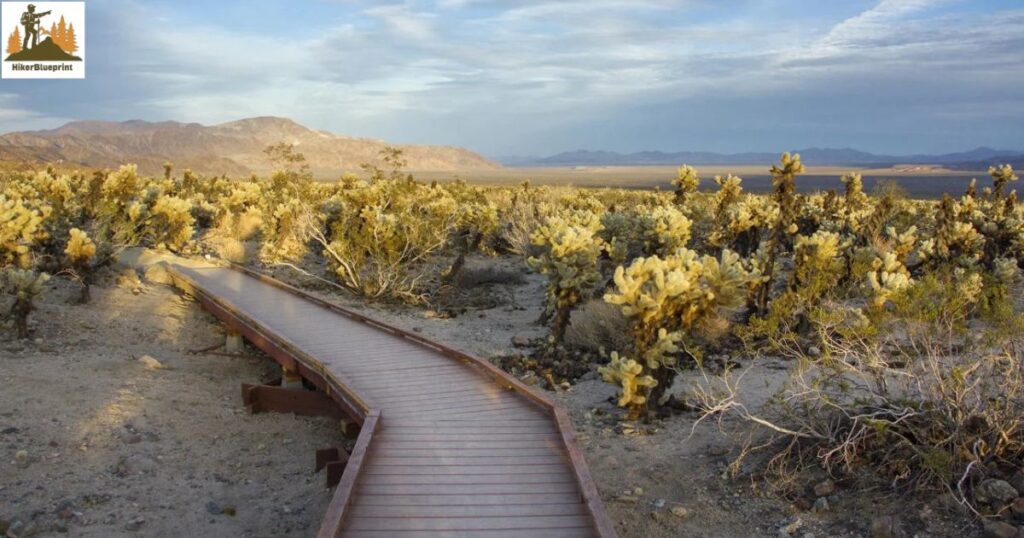
A short 0.25-mile nature trail passes through a dense concentration of naturally growing cholla cacti. The plants look soft and almost golden in certain lighting, but their spines are sharp and can attach easily to clothing or skin.
Stay on the marked trail, wear closed-toe shoes, and give the cacti plenty of space.
This stop is especially worthwhile if you want to experience the transition between the park’s Mojave and Colorado Desert landscapes. However, it’s a substantial drive from the central attractions, so check the route before committing to it.
7. Consider a Short Stop at Cap Rock
If you prefer spending more time around the central park area, Cap Rock is a convenient alternative to the longer drive toward Cholla Cactus Garden.
The 0.4-mile loop is relatively easy and passes through a landscape of Joshua trees and granite formations. It also provides a useful place to slow down before sunset.
Cap Rock is particularly worth considering if your group includes children, older visitors, or anyone who wants another short walk rather than a longer drive.
The Sunset Plan: Where to Watch the Evening Light
Sunset deserves a proper place in your schedule. The park’s granite formations and desert vegetation take on warm colors as daylight fades.
However, don’t leave your sunset plans until the last minute. Parking at popular viewpoints can become difficult, particularly on weekends and during busy travel periods.
Is Keys View Worth Visiting?
Keys View is famous for its wide panorama of the Coachella Valley, Salton Sea, and surrounding mountains. A paved 500-foot loop makes the viewpoint accessible to many visitors.
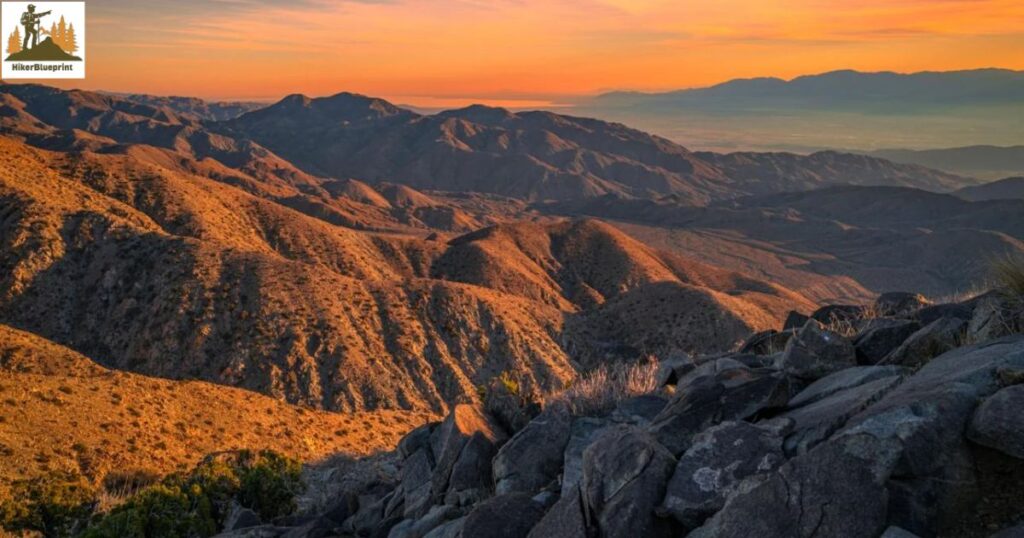
It’s tempting to make Keys View the centerpiece of your evening. However, the National Park Service warns that the area can become extremely crowded, with parking unavailable during the hour before sunset. The access road may also close when congestion becomes severe.
For that reason, don’t build your entire evening around Keys View. If you want to visit, check conditions and parking availability well before sunset.
Why Cap Rock Is a Practical Alternative
For a more flexible sunset plan, consider Cap Rock. It offers attractive desert scenery and is one of the park’s recommended sunset locations.
Arrive early enough to park legally, choose a safe viewing location, and enjoy the changing light. You don’t need a dramatic summit to appreciate the desert at the end of the day.
Check the actual sunset time for your visit date and allow enough time to reach your chosen location.
Stargazing After Sunset
If you still have energy after a full day, stay for a little stargazing.
Joshua Tree is an International Dark Sky Park, and its desert setting provides excellent opportunities to see stars on clear nights. Moon phase, clouds, and surrounding light pollution affect how much you’ll see.
The National Park Service identifies Quail Springs, Hidden Valley, Cap Rock, and Ryan Mountain parking areas as designated stargazing locations. Pinto Basin can offer darker skies, although it requires additional driving.
Bring a headlamp or red-light flashlight, stay close to your vehicle, and watch your footing. Don’t stop in unauthorized areas or treat day-use parking areas as overnight campsites.
Best Time to Follow This Joshua Tree One-Day Itinerary
The most comfortable seasons for a day trip are generally fall, winter, and spring.
| Season | What to expect | Planning advice |
|---|---|---|
| Spring | Comfortable hiking weather and possible wildflowers | Expect heavier crowds during spring break |
| Fall | Generally pleasant temperatures | A good season for short hikes and scenic drives |
| Winter | Cooler days and cold nights | Bring warm layers, especially for sunset |
| Summer | Very high daytime temperatures | Avoid strenuous daytime hiking and consider postponing if extreme heat is forecast |
Spring and fall are particularly popular. Weekends and holidays can bring entrance queues, crowded parking areas, and busy campgrounds. Arriving before 8 a.m. is a practical way to improve your day.
Entrance Fees, Parking, and Getting Around
Joshua Tree National Park has three main entrance areas: West Entrance near Joshua Tree, North Entrance near Twentynine Palms, and South Entrance near Interstate 10.
For most first-time visitors following this route, the West Entrance is convenient. However, it can be the busiest entrance, so consider the North Entrance if it better matches your starting location.
Entrance Fees
The standard entrance fees listed by the National Park Service are:
| Pass type | Cost |
|---|---|
| Private vehicle | $30 |
| Motorcycle | $25 |
| Individual entering on foot or bicycle | $15 |
| Joshua Tree annual pass | $55 |
A standard vehicle pass is valid for seven consecutive days. The park also accepts eligible America the Beautiful passes. Check the official fee page before departure because fees and pass rules can change.
There is no general timed-entry reservation requirement for ordinary personal vehicle visits listed in the standard park guidance. Special activities and tours may have separate requirements.
Parking Tips
- Arrive early at Hidden Valley and Barker Dam.
- Park only in designated spaces or permitted graded shoulders.
- Never drive off-road to find a parking spot.
- If a parking area is full, move to another attraction instead of waiting in traffic.
- Keep your Joshua Tree National Park Map available offline.
The park is open 24 hours a day, but visitor centers have their own operating hours.
What to Bring for a One-Day Visit
Even short walks in Joshua Tree require preparation. The desert can be hot, dry, windy, and surprisingly cold after sunset.
Pack these essentials:
- Drinking water: Bring more than you expect to need. There are no general food, water, or gasoline services inside the park.
- Sun protection: Wear sunscreen, sunglasses, and a wide-brimmed hat.
- Comfortable shoes: Closed-toe hiking shoes are useful around rocky and sandy surfaces.
- Food and snacks: Pack lunch before entering.
- Warm clothing: Desert temperatures can drop after sunset.
- Headlamp: Useful for walking safely after dark.
- Offline maps: Cell service is unreliable in many areas.
- First-aid basics: Carry supplies for minor cuts, scrapes, and blisters.
Check the weather and official park alerts before leaving. Flash flooding can occur during storms, and desert heat can make even short walks dangerous.
Common Mistakes to Avoid
A little planning can make the difference between an enjoyable day and a frustrating one.
- Arriving late: Popular parking areas can fill quickly, especially on weekends.
- Underestimating driving distances: Attractions may look close together on a map, but driving between them takes time.
- Relying on Keys View for sunset: Congestion can make it difficult to access the viewpoint.
- Bringing too little water: Dry desert conditions increase the importance of hydration.
- Expecting services inside the park: Bring your own food, water, and sufficient fuel.
- Ignoring weather alerts: Rain, flash flooding, and extreme heat can change your plans.
A flexible Joshua Tree One-Day Itinerary works better than a schedule that requires every stop to go perfectly.
Frequently Asked Questions
Is one day enough to visit Joshua Tree National Park?
Yes. One day is enough to experience several famous attractions and short trails, although you’ll need more time to explore the park thoroughly.
What is the best time to enter Joshua Tree?
Arriving before 8 a.m. is a good strategy, particularly on weekends and during the busy spring season.
Do you need a reservation to enter Joshua Tree National Park?
Ordinary personal vehicle visits generally do not require timed-entry reservations. Check the official NPS website for current rules and special activity requirements.
Can beginners enjoy Joshua Tree National Park?
Absolutely. Hidden Valley, Barker Dam, Cholla Cactus Garden, and Cap Rock offer relatively short walks suitable for many beginners.
Is Keys View the best place for sunset?
It offers an impressive panorama, but parking can become extremely limited. Cap Rock is a useful alternative if Keys View is congested.
Final Thoughts
A successful Joshua Tree One-Day Itinerary isn’t about visiting every attraction. It’s about choosing a few memorable stops, allowing enough time to enjoy them, and finishing the day without rushing.
Start early, explore Hidden Valley and Barker Dam, visit Skull Rock and Arch Rock, and leave room for a scenic afternoon. Most importantly, plan your sunset location before the evening crowds arrive. With a little preparation, one day can give you a wonderful introduction to Joshua Tree National Park.
You may also like this:
Best Hikes in California: 15 Incredible Trails for Waterfalls, Coastlines, and Big Views

Ahmed Khubaib is a passionate hiker with over 10 years of experience in hiking, camping, and exploring trails solo and with kids.
He shares firsthand experiences, practical hiking tips, and trail guides to help adventurers explore the outdoors safely.